
Getting tested for sexually transmitted diseases (STDs) as a man usually means giving a urine sample, a blood sample, or both. Some tests also involve swabbing the throat, rectum, or a visible sore. In the United States, the cost ranges from free at public health clinics to several hundred dollars at a private lab or hospital, depending on what is tested and whether you have insurance.
Many men never get tested because they feel fine. That is one of the biggest problems with STD testing — most infections cause no symptoms, especially in men. You can carry and pass on an infection without ever knowing it. Testing is the only way to find out.
This guide covers how the tests actually work, what they cost, where to go, and which tests men usually need. It also covers what testing cannot do, because that part matters too.
How Do Men Get Tested For STDs Tests Costs?
There is no single “STD test.” Testing is a group of different tests, each looking for a specific infection. What you get tested for depends on your sexual history, your symptoms, and what your clinician recommends.
Here is how the most common tests are done:
- Urine test. You urinate into a cup. This is the standard way to test for chlamydia and gonorrhea in men. It is painless and quick.
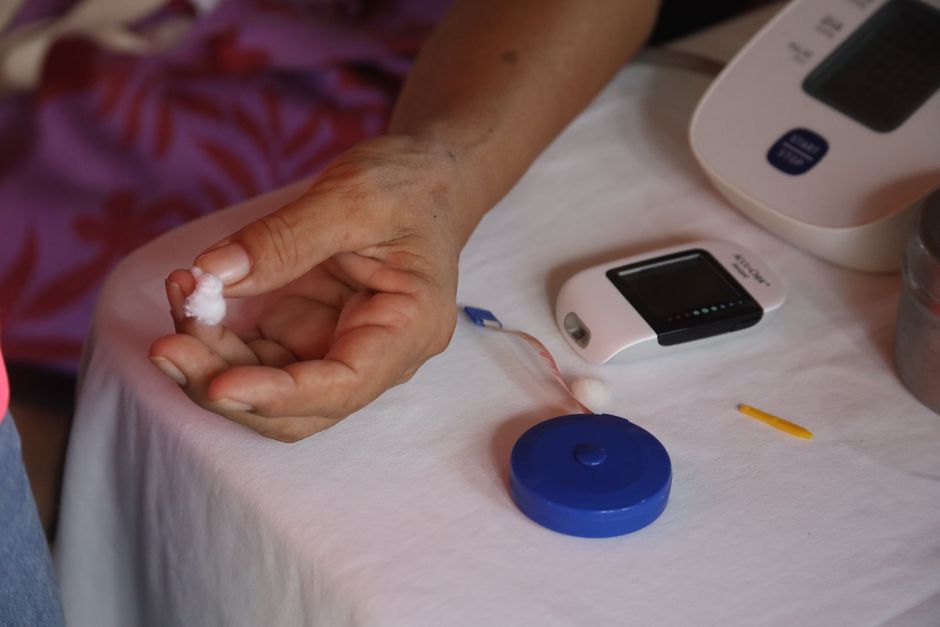
- Blood test. A small amount of blood is drawn from your arm. This is used for HIV, syphilis, and sometimes hepatitis B and C.
- Swab test. A clinician uses a swab to collect cells from the throat, rectum, or urethra. This is used when infection may be in a specific site, such as the throat after oral sex.
- Sore swab. If you have a visible sore, a clinician can swab it directly to test for herpes or syphilis.
- Physical exam. A clinician may look at your genitals, anus, or mouth for sores, discharge, or rash.
Some tests give results in about 20 minutes. Others take a few days. HIV rapid tests, for example, can return a result during the same visit. Chlamydia and gonorrhea tests usually take one to three days.
One thing worth knowing: a standard urine test does not detect every STD. If you had oral or anal sex, a urine test alone may miss an infection in your throat or rectum. Tell your clinician what kind of sex you have had so they can test the right sites.
What Does STD Testing Cost Without Insurance?
Without insurance, costs vary widely. A single test at a private clinic or lab can run from about $25 to over $100. A full panel covering several infections can cost $200 or more at a private provider.
Public health clinics and community health centers are usually far cheaper. Many offer free or low-cost testing on a sliding scale based on income. Some run free testing events. Planned Parenthood locations and local health departments are common options.
At-home test kits are another route. You order a kit, collect a sample yourself, and mail it to a lab. Prices generally range from around $50 to $200 depending on what is included. The trade-off is that you collect the sample yourself, and some kits do not cover every infection.
Costs shift depending on:
- Which infections are being tested
- Whether it is a clinic, lab, or at-home kit
- Your city or state
- Whether you qualify for a free or reduced-cost program
Because prices change and vary by location, the most reliable move is to call ahead and ask what a specific test costs. Ask whether there is a separate lab fee. That fee is often the part that surprises people.
Does Insurance Cover STD Testing?
Most health insurance plans cover STD testing when it is medically indicated. Under the Affordable Care Act, many plans must cover certain preventive services at no cost to you. That includes screening for chlamydia, gonorrhea, syphilis, and HIV for people at higher risk.
What counts as “at higher risk” matters. Guidelines generally recommend routine chlamydia and gonorrhea screening for sexually active men who have sex with men, and for others based on risk factors. HIV screening is recommended for all adults at least once, and more often for those at ongoing risk.
Coverage is not the same as free. If your plan does not classify a test as preventive, you may owe a copay, coinsurance, or a deductible. If you go to an out-of-network lab, the bill can be much higher.
Before you test, you can call your insurer and ask two questions: Is this test covered, and is this lab in network? Those two answers often decide whether you pay nothing or pay hundreds.




Where Can Men Get Tested for STDs?
There are several places to get tested, and they differ in cost, speed, and privacy.
- Primary care doctor. Convenient if you already have one. Billing goes through your insurance, so it may show up on an explanation of benefits.
- Public health clinic. Often the lowest cost or free. Staff are experienced and judgment-free.
- Planned Parenthood. Offers testing on a sliding scale at many locations.
- Urgent care. Faster than waiting for an appointment, but usually more expensive.
- At-home kits. Private and convenient. You collect the sample yourself.
- Hospital emergency room. The most expensive option. Generally only appropriate for urgent symptoms.
Privacy is a real concern for many men. At public clinics and at-home testing, your results are typically not shared with your regular doctor unless you ask them to be. If you use insurance through a primary care visit, the visit may appear on insurance statements. If you are on someone else’s plan, that can matter. Ask about confidentiality before you test.
Which STDs Should Men Be Tested For?
There is no single panel that fits everyone. What you should test for depends on your body, your sexual activity, and your risk factors.
Common tests for men include:
- Chlamydia and gonorrhea. Usually by urine test. Recommended regularly for sexually active men who have sex with men, and for others based on risk.
- HIV. Blood test or rapid test. Recommended at least once for all adults, and more often if you have ongoing risk.
- Syphilis. Blood test. Rates have risen in recent years, so screening is recommended for people at higher risk.
- Herpes. Blood test or swab of a sore. Routine screening for people without symptoms is not generally recommended, because results can be misleading and there is no cure.
- Hepatitis B and C. Blood test. Recommended based on risk factors and for certain groups.
- Trichomoniasis. Often tested in men with symptoms or known exposure.
If you are not sure what you need, the most useful thing you can do is be honest with your clinician about your sexual history. That conversation decides which tests make sense. Skipping it can mean testing for the wrong things.
How Often Should Men Get Tested?
How often you test depends on your risk, not on a fixed calendar. There is no universal schedule that applies to every man.
General guidance from public health authorities suggests:
- All adults should get tested for HIV at least once.
- Sexually active men who have sex with men are generally advised to test for chlamydia, gonorrhea, and syphilis at least once a year, and more often if they have multiple partners or other risk factors.
- Anyone with a new partner, multiple partners, or a partner with an STD should consider testing.
- Anyone with symptoms — discharge, burning, sores, or rash — should test right away.
Testing after a possible exposure has a timing problem. Many infections do not show up on a test immediately. HIV, for example, may not be detectable for a period after exposure, depending on the test used. If you test too early, you can get a negative result that is not accurate. Ask your clinician when to test after a specific exposure.
What STD Testing Cannot Do
Testing is powerful, but it has limits, and knowing them helps you use it well.
A negative result only means you did not have that infection at the time of the test. It does not protect you going forward. It also does not cover infections you were not tested for.
Some infections are not part of routine screening. HPV is a common example. There is no routine HPV test for men, and most HPV infections clear on their own without ever causing problems. Human papillomavirus is also the reason HPV vaccination is recommended — it prevents several cancers and genital warts, and it is approved for both males and females.
Testing also does not replace prevention. Condoms reduce the risk of many STDs, though they do not eliminate it entirely. Vaccines exist for HPV and hepatitis B. Talking with partners about testing status helps too.
One more point: a clean test result is not a reason to skip future testing. Risk is ongoing, and so is the value of regular screening if you remain at risk.
Frequently Asked Questions
How much does STD testing cost for men?
Costs range from free at some public health clinics to several hundred dollars at a private lab or hospital. A single test often runs $25 to $100 or more, while a full panel can exceed $200 without insurance.
Can I get tested for STDs without insurance?
Yes. Public health clinics, community health centers, and some Planned Parenthood locations offer free or low-cost testing on a sliding scale. At-home test kits are another option, generally around $50 to $200.
How long do STD test results take?
Rapid HIV tests can give results in about 20 minutes, while chlamydia and gonorrhea tests usually take one to three days. Blood tests for syphilis and HIV typically take a few days.
Do men need to fast before an STD test?
No. STD testing does not require fasting. Fasting is only needed for certain other blood tests, such as cholesterol or glucose.
