
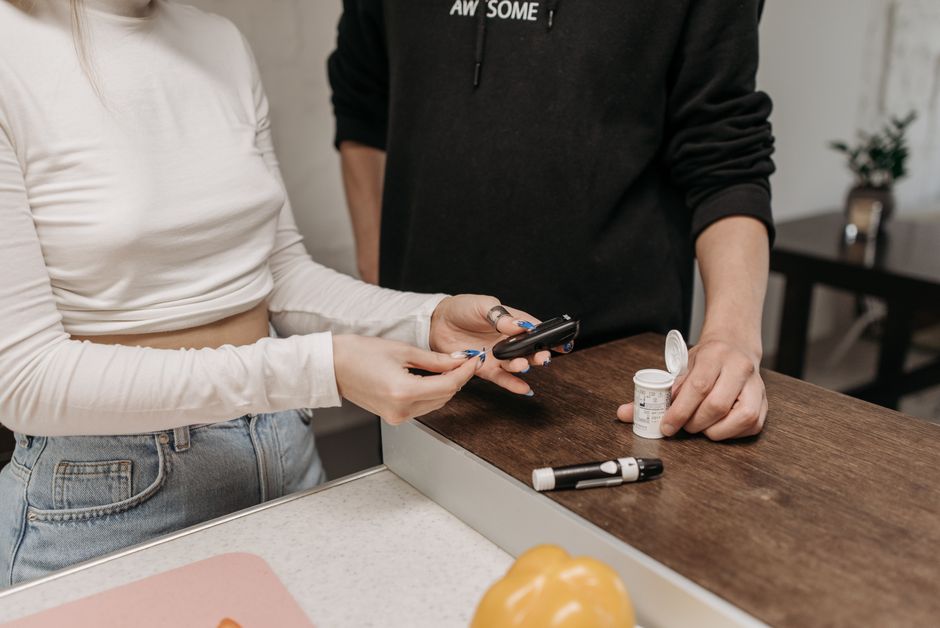
Cortisol testing at home is possible, but it works differently than most people expect. You cannot get a reliable cortisol reading from a finger-prick blood drop the way you can check blood sugar. The at-home options that exist are saliva kits, urine collection kits, and a small number of mail-in blood spot tests, and they generally cost between $50 and $300 depending on what is measured. Results usually come back in one to three weeks, and they are meant to be interpreted by a clinician, not read as a simple pass-or-fail number.
How To Test Cortisol Levels At Home Kits Costs Results
Cortisol is a hormone released by the adrenal glands, and its level in your body changes dramatically across a single day. It typically peaks in the early morning and drops to its lowest point around midnight. That daily rhythm is why a single random cortisol measurement is rarely useful on its own.
At-home kits are designed around this rhythm. Most collect samples at specific times so a lab or clinician can see the pattern, not just one number.
The three main at-home collection methods are:
- Saliva — you spit into a tube at set times, usually several times in one day. This is the most common at-home method for looking at the daily curve.
- Urine — you collect all urine over a full 24-hour period in a container. This measures total cortisol output for the day.
- Blood spot — you prick your finger and place drops on a special card that is mailed to a lab. Fewer at-home kits use this method, and it is less established than saliva or urine.
Each method answers a slightly different question. Saliva shows the shape of your daily rhythm. A 24-hour urine test shows your total output. A blood spot shows a single point in time.
Are At-Home Cortisol Tests Accurate?
For saliva and 24-hour urine, the underlying lab methods are well established and used in clinical settings. The accuracy problem at home is usually not the lab — it is the collection.
Cortisol is sensitive to timing, sleep, stress, caffeine, nicotine, alcohol, and certain medications. A sample taken two hours late, or after a bad night’s sleep, can look abnormal when nothing is wrong. Saliva samples also need to be kept cool and returned promptly, and contamination from food, drink, or even brushing your teeth can throw off a result.
Blood spot cortisol testing at home is a different story. It is used in some research and specialty settings, but it is not as well validated for routine home use as saliva or urine. If a company sells a blood spot cortisol test as a simple screening tool, treat that claim with caution.
One point that surprises many people: a normal at-home result does not rule out a hormone problem, and an abnormal result does not confirm one. These tests are a starting point, not a diagnosis.
What Do Cortisol Test Results Actually Mean?
A cortisol result only makes sense next to the time of collection and the reference range from the lab that ran the test. Ranges differ between labs, so comparing your number to a range printed on a different website is not reliable.
Here is the general logic clinicians use:
- A high late-night cortisol is the pattern that raises concern for excess cortisol production.
- A low morning cortisol is the pattern that raises concern for underproduction.
- A flattened daily curve — where morning and evening levels look too similar — can also be a signal.
Outside of clear patterns like these, results are genuinely hard to interpret. A single mildly elevated or mildly low value in an otherwise healthy person often means nothing. Cortisol naturally rises with stress, illness, injury, and poor sleep.
This is the part most at-home testing companies do not emphasize. A number without context can create anxiety about a problem that is not there, or false comfort when a real issue exists.


What Do At-Home Cortisol Kits Cost?
Prices vary widely by method and by how many samples are collected. The ranges below reflect what these kits generally sell for in the US.
| Kit type | Typical cost | What it measures |
|---|---|---|
| Single saliva sample | $30–$60 | One point in time |
| Multi-sample saliva (daily curve) | $100–$200 | Pattern across the day |
| 24-hour urine | $100–$250 | Total daily output |
| Blood spot | $80–$300 | Single point in time |
These prices usually include the lab fee. Some kits charge extra for a clinician review, and some insurance plans may cover testing if a doctor orders it and documents a medical reason. At-home kits bought directly are usually paid out of pocket.
A cheaper kit is not automatically worse, but a single-sample kit gives you far less information than a multi-sample one. If your goal is to understand your daily rhythm, a one-time saliva sample will not show it.
How Long Do Results Take?
Turnaround depends on the lab and the shipping method. In general, expect one to three weeks from the day you send your sample.
Some labs process samples faster, and some mail-in services batch samples and run them on a schedule. If you need results quickly for a medical reason, a test ordered through a clinician and run at a local lab is usually faster than a mail-in kit.
When Should You See a Doctor Instead?
At-home testing is not the right first step if you have symptoms that suggest a real cortisol problem. Symptoms that warrant medical evaluation include unexplained weight gain around the midsection with thin arms and legs, easy bruising, new purple stretch marks, muscle weakness, or — on the other side — persistent fatigue, low blood pressure, dizziness on standing, and darkening of the skin.
In these cases, see a clinician. Cortisol disorders are diagnosed with a combination of blood, saliva, urine, and imaging tests, and treatment depends on the specific cause. No at-home kit can replace that process, and delaying a proper workup is a real risk.
For people without those symptoms who are simply curious about their stress response, the honest position is that at-home cortisol testing has limited value. Cortisol is not a general wellness marker the way cholesterol is. It swings too much with daily life to be a meaningful standalone number in a healthy person.
If you do test, bring the results to a clinician rather than acting on them alone. That is the only way the number means anything.
Frequently Asked Questions
Can I test my cortisol levels at home without a doctor?
Yes, saliva and urine cortisol kits can be bought directly without a prescription. However, the results still need a clinician to interpret them correctly.
Which at-home cortisol test is most reliable?
Multi-sample saliva and 24-hour urine tests are the most established at-home methods. Blood spot cortisol testing is less validated for routine home use.
How much does an at-home cortisol test cost?
Most kits cost between $50 and $300, depending on the method and number of samples. Multi-sample saliva and 24-hour urine kits tend to be at the higher end.
How long does it take to get cortisol test results?
Results usually take one to three weeks after the lab receives your sample. Local lab testing ordered by a doctor is often faster.
