
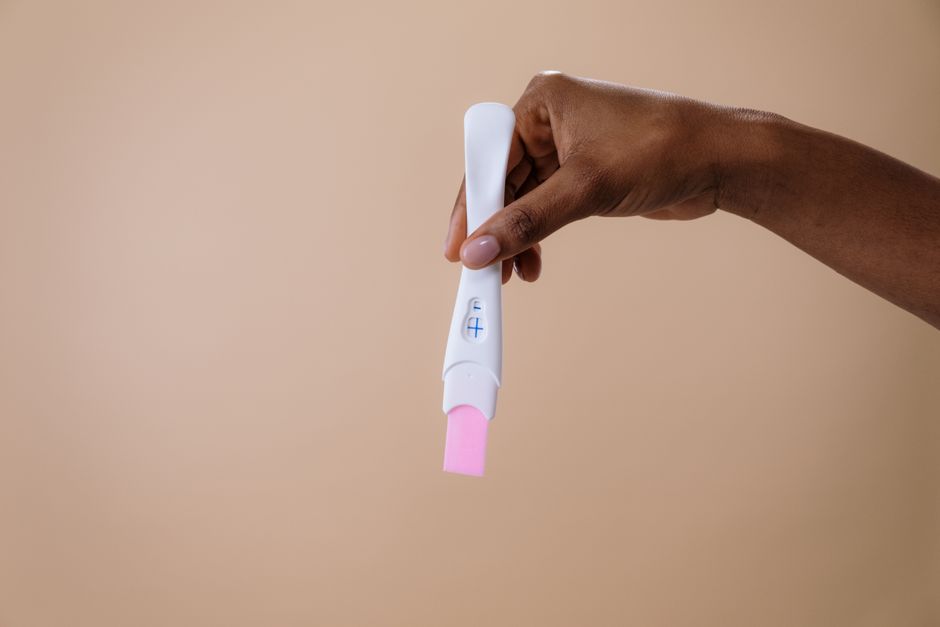
Pregnancy tests do expire. Every box carries an expiration date, and that date is not decorative. It reflects the point past which the test’s antibodies — the proteins that detect the pregnancy hormone hCG — may no longer work reliably. Using an expired test can produce a false negative, meaning the test says you are not pregnant when you actually are.
The good news: expiration dates on home pregnancy tests are usually generous. Most tests last two to three years from the date of manufacture. The date on the box is the last day the manufacturer guarantees full accuracy, not the day the test suddenly stops working. But “usually” is doing real work in that sentence, and there are several factors that can change the answer.
How Long Do Pregnancy Tests Last?
Most home pregnancy tests remain accurate until the expiration date printed on the packaging, which is typically two to three years after manufacture. Some manufacturers use a specific date; others use a month and year. If only a month and year are shown, the test is generally considered good through the last day of that month.
The expiration date is based on stability testing. Manufacturers store tests under controlled conditions and check whether the antibodies still bind to hCG over time. When performance starts to drop below a set threshold, that becomes the expiration date. This is a conservative process — the test may still work after the date, but the manufacturer no longer stands behind it.
What is not guaranteed is how the test was stored before it reached you, or how it has been stored since. That matters more than most people realize.
What Makes a Pregnancy Test Go Bad?
Heat, moisture, and direct sunlight are the main enemies. The antibodies in a pregnancy test are proteins, and proteins lose their shape — and their function — when exposed to high temperatures or repeated swings in temperature and humidity.
A bathroom medicine cabinet seems like a logical place to store a pregnancy test. It is actually one of the worst. Bathrooms are humid and warm, and humidity is exactly what degrades the test strip. A cool, dry drawer in a bedroom or closet is a better choice.
Other factors that can reduce accuracy before the expiration date:
- Leaving the test in a hot car, even briefly
- Storing it near a stove, radiator, or heating vent
- Opening the sealed foil pouch and leaving the test exposed to air for a long time before use
- Buying a test from a store that stored it improperly, which you have no way to see
If a test has been sitting in a hot car or a steamy bathroom for months, the expiration date tells you less than the storage conditions do.
What Happens If You Use an Expired Pregnancy Test?
An expired test does not automatically give a wrong answer. It becomes less reliable, which is a different thing. The antibodies may have weakened enough that they cannot detect the lower levels of hCG present in early pregnancy, even though they might still catch higher levels later on.
This creates a specific risk: a false negative. The test shows one line (or a “not pregnant” result) when you are in fact pregnant, especially in the first days after a missed period when hCG levels are still low.
False positives from an expired test are less common but possible. An evaporation line — a faint line that appears after the testing window has passed, when urine has dried — can look like a positive result. This is not a true positive and is one reason the instructions tell you to read the result within a specific time window.
If an expired test gives a negative result and you still suspect you are pregnant, the answer is simple: test again with a new test. Do not rely on the expired result either way.




Does the Type of Pregnancy Test Affect Expiration?
Different test formats have different designs, but the expiration principle is the same across all of them. What changes is how the hCG is detected and how sensitive the test is.
Digital tests use the same underlying antibody technology as line tests but add an electronic reader. The reader has its own battery. A digital test can fail because the battery dies, not just because the antibodies degrade — and a dead battery may show an error message or a blank screen rather than a result.
Test strips, midstream tests, and digital tests all carry expiration dates. The date reflects the whole product, not just the strip.
Can You Trust a Test Past Its Expiration Date?
No clinical evidence supports using an expired test when accuracy matters. The honest position is that a test used well before its expiration date, stored properly, is reliable. A test used after its expiration date has unknown reliability — it might work, and it might not, and you have no way to tell which from looking at it.
There is no home method to check whether an expired test still works. You cannot test it against a known sample, because you do not have a known sample. The control line on a test confirms that liquid moved through the strip — it does not confirm that the antibodies are still able to detect hCG.
For anyone trying to conceive, or anyone who needs a clear answer, the cost of a new test is small compared with the cost of a wrong result.
How to Store Pregnancy Tests So They Last
Keep the test in its original sealed foil pouch until you are ready to use it. That pouch is designed to block moisture, and once it is open, the clock on the strip starts running faster.
Store it somewhere cool and dry. Room temperature is fine. Avoid the bathroom, the car, and anywhere near a heat source.
Check the expiration date before you buy, not just before you use. A test with only a few weeks left on the shelf is not a bargain if you plan to keep it for later.
If you are buying a test to have on hand “just in case,” write the expiration date somewhere you will see it, or set a reminder. It is easy to forget a test tucked in a drawer until the moment you need it — which is the worst time to discover it expired last year.
When Expiration Is Not the Real Problem
An expired test is one reason for an inaccurate result. It is not the most common one.
Testing too early is a bigger issue. Home pregnancy tests detect hCG, a hormone the body produces after a fertilized egg implants in the uterus. Implantation usually happens several days after ovulation, and hCG levels rise from there. Test too soon and there may not be enough hCG for any test — expired or not — to detect.
Drinking a lot of fluid before testing can dilute urine and lower hCG concentration. Some medications, including certain fertility drugs that contain hCG, can interfere with results. And rare medical conditions can produce hCG outside of pregnancy.
If you get a result that does not match what you expect, the useful next step is a new test, used correctly, at the right time. If questions remain, a healthcare provider can order a blood test, which is more sensitive than any home test and can measure the exact level of hCG.
Frequently Asked Questions
Do pregnancy tests really expire?
Yes. Every pregnancy test has an expiration date, usually two to three years after it was made. Past that date, the antibodies that detect hCG may no longer work reliably.
Can an expired pregnancy test show a false negative?
Yes, that is the main risk. A weakened test may miss the low levels of hCG present in early pregnancy and show a negative result when you are actually pregnant.
What happens if I use a pregnancy test one day after it expires?
Using a test a day or two past its date is unlikely to change the result, since the expiration date is a conservative cutoff. The safest approach is still to use a test within its date.
How should I store a pregnancy test so it lasts?
Keep it sealed in its foil pouch in a cool, dry place, away from bathrooms, cars, and heat sources. Moisture and heat are what degrade the test strip fastest.
