
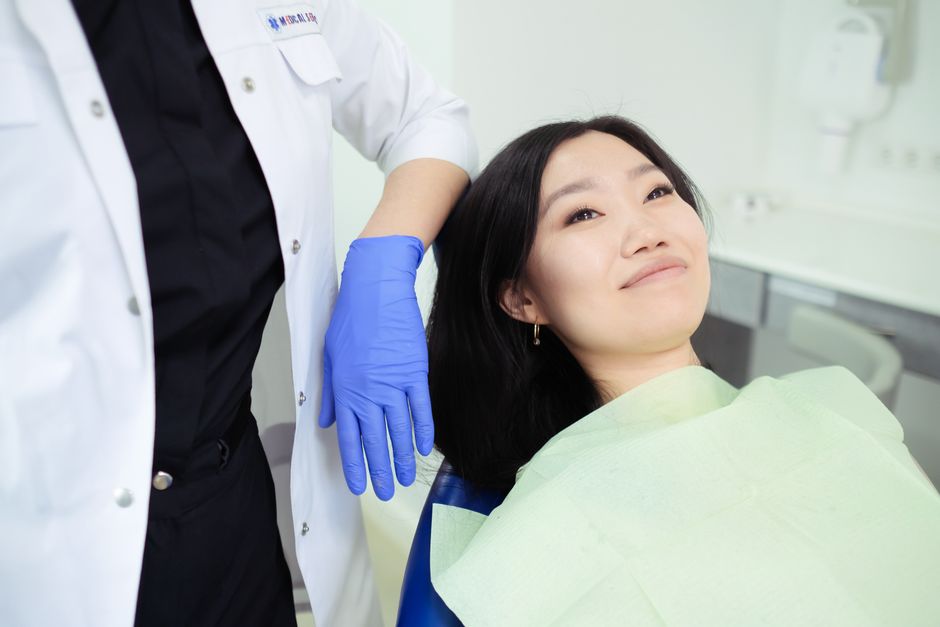
Opening a dental lab means turning raw materials into crowns, bridges, dentures, and other restorations that dentists then fit into patients’ mouths. The path runs from formal training through equipment purchase, licensing, and finding your first dentist clients. Startup costs typically range from about $30,000 for a small home-based operation to well over $200,000 for a fully equipped commercial facility, depending on the equipment you buy and whether you rent space.
This is not a business you can launch overnight. Most successful lab owners bring years of hands-on technical experience before they ever hang a sign. The steps below cover what the work actually involves, what the real costs look like, and where the risks sit.
What Does a Dental Lab Technician Actually Do?
A dental lab technician fabricates the prosthetic and restorative devices that dentists prescribe. That includes crowns, bridges, dentures, orthodontic appliances, implant abutments, and night guards. The dentist takes an impression or digital scan, sends it to the lab, and the technician builds the restoration to fit that specific patient’s mouth.
The work splits into specialties. Fixed prosthetics covers crowns and bridges. Removable prosthetics covers full and partial dentures. Orthodontics covers retainers and aligners. Implantology covers custom abutments and implant-supported frameworks. Most small labs start with one or two specialties and expand later.
Modern labs increasingly rely on digital workflows. Intraoral scans from the dentist’s office arrive as digital files. Software designs the restoration. A milling machine or 3D printer produces it. This shift has changed the skill set required and the equipment budget considerably.
What has not changed is the precision demand. A crown that is off by a fraction of a millimeter can mean a failed fit, a remake, and a lost client. This is skilled manual and digital work, not assembly-line production.
What Training and Credentials Do You Need?
There is no single national license required to operate a dental lab in the United States. That surprises many people. Dental labs are largely unregulated at the federal level, and state requirements vary widely.
Formal training comes through a few routes:
- Accredited dental laboratory technology programs, typically two-year associate degrees offered at community colleges
- On-the-job apprenticeship under an experienced technician
- Military training programs in dental laboratory technology
- Manufacturer training for specific equipment and materials systems
The Certified Dental Technician (CDT) credential, administered by the National Board for Certification in Dental Laboratory Technology, is voluntary. It is not required to open a lab. Many dentists do look for it when choosing a lab partner, so it can carry real commercial weight.
Most people who successfully open labs have spent years working inside one first. That apprenticeship period matters more than any certificate. It teaches you the tolerances, the client expectations, and the workflow problems that no classroom covers.
What Are the Steps to Open a Dental Lab?
The sequence matters. Skipping steps tends to cost more later than doing them in order.
Step 1: Get technical experience. Work in an established lab for several years. Learn at least one specialty deeply before trying to run a business.
Step 2: Decide on your specialty and business model. Will you serve general dentists, orthodontists, oral surgeons, or a mix? Will you work from a home shop or a commercial space? Home-based labs are legal in many areas but may be restricted by local zoning, and some dentists are hesitant to use them.
Step 3: Research your state and local requirements. Check zoning rules, business licensing, sales tax registration, and any state dental board regulations. Requirements differ significantly by state. Contact your state dental board and local business licensing office directly rather than assuming.
Step 4: Write a business plan. Include your target client list, pricing structure, equipment list, and a realistic timeline for landing your first accounts. Dentists do not switch labs quickly. Building a client base takes time.
Step 5: Secure funding. Dental lab equipment is expensive. Small business loans, equipment financing, and personal capital are the common sources.
Step 6: Find and equip your space. You need adequate ventilation, dust collection, clean work areas, and reliable power. Some processes involve silica dust, acrylics, and metal grinding, which require proper safety controls.
Step 7: Register the business and get insurance. Form an LLC or corporation, get a tax ID, and purchase business liability insurance. Product liability coverage matters here because a failed restoration can affect a patient.
Step 8: Build a client pipeline. This is the step most new lab owners underestimate. You need dentists who will send you work. That means in-person visits, samples, competitive pricing, and reliable turnaround.


How Much Does It Cost to Set Up a Dental Lab?
Costs vary enormously based on specialty, whether you go digital, and whether you work from home. The figures below are general ranges based on common industry equipment categories. They are not quotes, and your actual costs will depend on brands, new versus used equipment, and your location.
| Category | Typical Range |
|---|---|
| Training or certification | $0 to $15,000 |
| Basic hand tools and bench setup | $2,000 to $8,000 |
| Dental lathe and model trimmer | $1,500 to $6,000 |
| Porcelain furnace | $2,000 to $10,000 |
| CAD/CAM scanner and design software | $10,000 to $40,000 |
| Milling machine | $15,000 to $80,000 |
| 3D printer | $3,000 to $25,000 |
| Dust collection and ventilation | $1,500 to $10,000 |
| Business formation, licensing, insurance | $1,000 to $5,000 |
| Initial materials inventory | $3,000 to $15,000 |
A minimal analog setup in a home shop can land near $30,000. A digital lab with milling capability in a rented commercial space can exceed $200,000 before you have produced a single restoration. Ongoing costs include materials, rent, utilities, equipment maintenance, and software subscriptions.
One cost that catches new owners off guard: remakes. When a restoration does not fit or the dentist rejects it, you absorb the material and labor cost. Remake rates are a real factor in lab profitability, and they are higher for inexperienced technicians.
What Equipment Is Essential to Start?
You do not need everything at once. Starting with the equipment your chosen specialty actually requires keeps initial costs down.
For a crown and bridge lab, the essentials are a dental lathe, model trimmer, porcelain furnace if you are doing layered ceramics, hand instruments, and a reliable curing setup. Add a CAD/CAM scanner and design software if you want to accept digital impressions, which is increasingly the norm.
For a removable prosthetics lab, you need denture processing equipment, a pressure pot, flasks, and acrylic handling tools. The investment profile is different from a crown and bridge setup.
Buying used equipment is common and can cut costs substantially. The tradeoff is reliability, warranty coverage, and parts availability. For digital equipment, software licensing and compatibility with dentists’ scanning systems matter as much as the hardware itself.
How Do You Find Dentist Clients?
Dentists choose labs based on fit, turnaround time, communication, and price. Not price alone. A lab that produces consistently accurate work and answers the phone when a dentist has a question earns loyalty.
Practical approaches that work:
- Visit dental offices in person with sample restorations and clear pricing
- Offer a trial run on a small number of cases at competitive rates
- Attend local and regional dental association meetings
- Build relationships with dental supply representatives who know which offices are unhappy with their current lab
Referrals move this industry. One satisfied dentist who mentions your lab to colleagues is worth more than any advertisement. But the flip side is also true: one bad case that gets discussed in a local dental study club can close doors.
Turnaround time is a major competitive factor. Dentists work on schedules, and a lab that misses deadlines creates problems in their chairs. Being realistic about what you can deliver matters more than promising fast work you cannot sustain.
What Are the Main Risks and Challenges?
The failure rate for new labs is not well documented in public data, but the pressures are clear.
Client concentration is a common problem. A new lab with three clients loses a third of its revenue if one leaves. Building a broader base takes time.
Price pressure comes from large corporate labs and from overseas competitors, particularly for removable prosthetics. Competing on price alone is difficult for a small operation.
Technology costs keep rising. Dentists are adopting digital scanning, which means labs that cannot accept digital files lose clients. Keeping up with equipment and software is an ongoing expense, not a one-time purchase.
Regulatory attention has increased in some states regarding lab registration and material traceability. Requirements can change, so staying in contact with your state dental board is worth the effort.
Physical demands are real. Technicians spend long hours in fixed positions doing detailed work. Eye strain, back problems, and repetitive stress injuries are common in the trade.
Is a Dental Lab a Good Business to Start?
It can be, for the right person. The strongest predictor of success is technical skill built over years, not business ambition alone. People who open labs without deep hands-on experience tend to struggle with quality control, which is the one thing dentists will not tolerate.
The industry is not shrinking. Demand for restorations tracks with an aging population that needs more crowns, bridges, and dentures. But the market is competitive, and the digital transition has raised the bar for equipment investment.
If you have the technical background, a clear specialty, realistic funding, and patience to build a client base over two to three years, a dental lab can be a viable small business. If you are looking for a fast, low-investment startup, this is not it.
Frequently Asked Questions
Do you need a license to open a dental lab?
There is no federal license required to operate a dental lab in the United States. Some states have registration or material traceability requirements, so check with your state dental board before opening.
How much does it cost to start a dental lab?
A minimal home-based analog setup can start around $30,000, while a fully equipped digital commercial lab can exceed $200,000. Your actual cost depends on your specialty, equipment choices, and whether you rent space.
How long does it take to open a dental lab?
Most people spend several years gaining technical experience before opening, then several months on setup, licensing, and equipment. Building a stable client base typically takes two to three years after launch.
Can you run a dental lab from home?
Home-based labs are legal in many areas, but local zoning rules may restrict them. Some dentists are also hesitant to use home labs, so check your local regulations and consider how clients will perceive it.
