
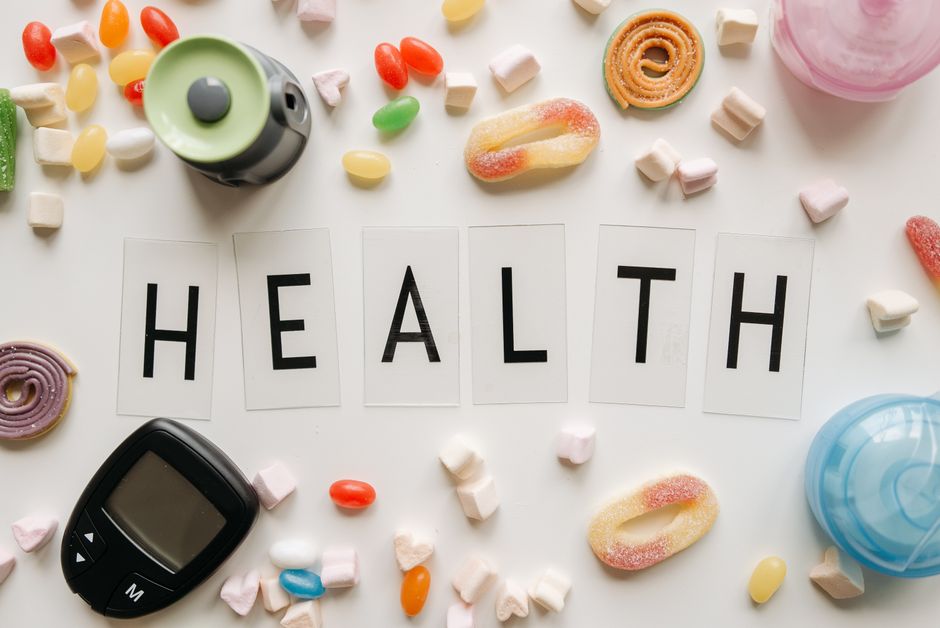
Lowering blood sugar naturally means focusing on what you eat, when you move, and how you sleep. The most effective steps are eating fewer refined carbohydrates, increasing fiber intake, staying active after meals, and managing stress. These strategies work because they target how your body processes glucose without relying on medication alone.
How Does Diet Affect Blood Sugar Levels?
What you eat directly determines how much glucose enters your bloodstream. Carbohydrates break down into sugar faster than protein or fat. This is why the type of carb matters more than how much you eat.
Fiber slows digestion. When you eat whole grains, vegetables, or legumes, the sugar enters your blood gradually. The American Diabetes Association notes that fiber-rich foods help prevent sharp spikes after meals. Refined carbs like white bread, sugary drinks, and pastries hit your system fast. Your body releases a surge of insulin to handle it. Over time, this pattern can make your cells less responsive to insulin.
One practical change is to swap one refined carb per meal for a fiber-rich option. For example, replace white rice with lentils or quinoa. This small shift can lower the glucose peak after eating by 20 to 30 percent according to research published in Nutrients.
What Role Does Exercise Play in Blood Sugar Control?
Physical activity helps your muscles use glucose without needing as much insulin. When you contract a muscle, it pulls sugar from your blood for energy. This effect can last for hours after you stop moving.
The American College of Sports Medicine recommends at least 150 minutes of moderate aerobic activity per week. That could be brisk walking, cycling, or swimming. But the timing matters too. A 15-minute walk after a meal can lower post-meal blood sugar more effectively than a longer walk earlier in the day. A study in Diabetologia found that light walking after dinner reduced glucose spikes by 22 percent compared to sitting.
Resistance training also helps. Building muscle increases your resting metabolic rate and improves insulin sensitivity. Two sessions per week of bodyweight exercises or weight lifting can make a measurable difference.
How To Lower Blood Sugar Naturally Through Lifestyle Changes
Sleep and stress are often overlooked but they directly affect blood sugar. When you are sleep-deprived, your body produces more cortisol. Cortisol signals your liver to release stored glucose. A study from the University of Chicago found that sleeping only four hours per night for six days reduced insulin sensitivity by 40 percent.
Stress management matters for the same reason. Chronic stress keeps cortisol levels high. This can raise fasting blood sugar even if your diet is clean. Simple practices like five minutes of deep breathing before meals or a short evening walk can lower cortisol. The effect is not dramatic overnight, but consistent practice adds up.
Hydration also plays a role. Dehydration concentrates your blood, which raises glucose readings. Drinking water throughout the day helps your kidneys flush excess sugar through urine. Aim for eight cups of fluid daily unless your doctor advises otherwise.



What Does Research Say About Natural Supplements?
Some supplements show promise for blood sugar control, but the evidence is not as strong as for diet and exercise. Berberine is one of the most studied. A meta-analysis in Frontiers in Pharmacology found that berberine lowered fasting blood sugar by about 15 to 20 mg/dL on average. It works by activating an enzyme called AMPK, which helps cells take up glucose.
Cinnamon is another common supplement. Some studies suggest it can lower fasting blood sugar by 10 to 15 mg/dL. But the effect is modest and not consistent across all trials. The same is true for chromium and alpha-lipoic acid. They may help, but they are not a replacement for lifestyle changes.
One risk with supplements is lack of regulation. The FDA does not test them for purity or potency. A product labeled as cinnamon may contain coumarin, a compound that can harm your liver in high doses. If you try a supplement, choose a brand that tests its products through a third party like USP or NSF International.
What Are the Common Mistakes People Make?
One mistake is cutting out all carbohydrates. Your brain and muscles need glucose to function. The goal is not to eliminate carbs but to choose the right ones. Whole fruits, vegetables, and whole grains provide fiber, vitamins, and energy. Cutting them completely can lead to low energy and nutrient deficiencies.
Another mistake is relying on “sugar-free” processed foods. Many of these products contain sugar alcohols or artificial sweeteners. While they do not spike blood sugar the same way as table sugar, some people experience digestive issues or cravings. Studies on artificial sweeteners are mixed regarding their long-term effect on metabolism.
A third error is skipping meals to lower blood sugar. This can backfire. When you skip a meal, your liver releases stored glucose to keep your energy up. For some people, this leads to a higher reading later. Eating consistent meals with balanced protein, fat, and fiber helps maintain steady levels.
| Approach | How It Works | Evidence Strength | Time to Effect |
|---|---|---|---|
| Fiber-rich diet | Slows carb digestion | Strong | Days to weeks |
| Post-meal walking | Muscles use glucose directly | Strong | Immediate to hours |
| Sleep improvement | Lowers cortisol and insulin resistance | Moderate | Weeks |
| Berberine supplement | Activates AMPK enzyme | Moderate | Weeks |
| Stress reduction | Lowers cortisol and glucose release | Moderate | Weeks to months |
How Do You Know If Your Blood Sugar Is Too High?
Common signs include frequent urination, excessive thirst, blurred vision, and fatigue. These symptoms happen because your kidneys work harder to filter excess sugar. If you notice these patterns, a simple blood test can check your fasting glucose or hemoglobin A1c level.
Normal fasting blood sugar is below 100 mg/dL. A reading between 100 and 125 mg/dL suggests prediabetes. Two consecutive readings of 126 mg/dL or higher indicate diabetes. The CDC reports that about 96 million US adults have prediabetes, and more than 80 percent of them do not know it.
If your numbers are high, do not panic. Small changes to diet, activity, and sleep can bring them down. But if your fasting blood sugar stays above 130 mg/dL or your A1c is above 7 percent, you need medical guidance. Natural approaches work best alongside professional care, not instead of it.
Frequently Asked Questions
Can drinking water lower blood sugar quickly?
Drinking water helps your kidneys flush out excess sugar through urine. It will not drop a high reading instantly, but staying hydrated prevents further concentration of glucose in your blood.
Does vinegar help lower blood sugar?
Some studies show that vinegar, especially apple cider vinegar, can lower post-meal blood sugar by slowing starch digestion. The effect is modest and works best when taken before a high-carb meal.
Is intermittent fasting safe for blood sugar control?
Intermittent fasting can improve insulin sensitivity for some people, but it may cause low blood sugar in others. It is not recommended for anyone on insulin or certain diabetes medications without medical supervision.
How long does it take to lower blood sugar naturally?
Dietary changes can lower blood sugar within days, while improvements in insulin sensitivity from exercise take several weeks. A1c levels reflect average blood sugar over three months, so full changes show up in that timeframe.
