
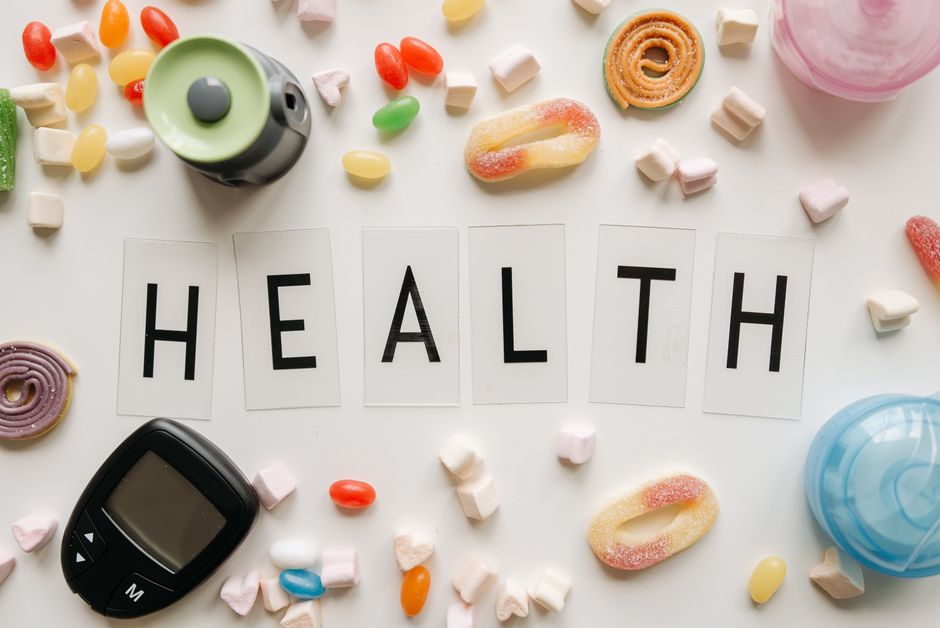
Your body’s ability to manage blood sugar is one of the most important systems for your long-term health. When it works well, you have steady energy and a lower risk of serious disease. When it does not, you face fatigue, weight gain, and a much higher chance of developing type 2 diabetes and heart problems. The natural approach means using food, movement, sleep, and stress management to help your body do what it is designed to do. Research shows that for most people, these lifestyle changes are the most powerful tools available — often more effective than medication alone for preventing and even reversing insulin resistance.
What Actually Causes High Blood Sugar in the First Place?
Your blood sugar rises after you eat carbohydrates. That is normal. The problem starts when your cells stop responding to insulin properly. This is called insulin resistance. Your pancreas makes more insulin to compensate, but over time it cannot keep up. Blood sugar stays high.
The biggest driver of insulin resistance is excess body fat, especially around the abdomen. The CDC reports that about 88 million American adults have prediabetes, and 84% of them do not know it. Other major causes include a diet high in refined carbohydrates and added sugars, lack of physical activity, chronic poor sleep, and ongoing stress that keeps cortisol levels elevated. Genetics play a role too, but lifestyle factors are the primary lever you can pull.
One non-obvious point: eating too frequently can also contribute. Every time you eat, insulin rises. If you are constantly snacking, your insulin levels never drop to baseline, which can worsen insulin resistance over time. This is why eating patterns matter as much as what you eat.
What Foods Actually Help Lower Blood Sugar?
The foods that help are the ones that slow down digestion and reduce the blood sugar spike after meals. Fiber is the most important nutrient for this. Soluble fiber, found in oats, beans, apples, and carrots, forms a gel-like substance in your gut that slows carbohydrate absorption. A study published in the Journal of the American Board of Family Medicine found that eating 25-30 grams of fiber daily significantly improved blood sugar control in people with type 2 diabetes.
Protein and fat also help. When you eat a meal with protein, fat, and fiber together, the sugar enters your bloodstream more slowly. This is why a breakfast of eggs and vegetables is better than cereal and juice, even if the total calories are similar. Vinegar is another well-studied tool. Research in Diabetes Care showed that taking two tablespoons of vinegar before a high-carb meal reduced the blood sugar spike by about 20%.
Here are the foods with the strongest evidence for blood sugar control:
- Non-starchy vegetables — broccoli, spinach, peppers, zucchini. Eat them at every meal.
- Legumes — lentils, chickpeas, black beans. High fiber and protein with a low glycemic load.
- Nuts and seeds — almonds, walnuts, chia seeds, flaxseeds. Healthy fats that blunt glucose spikes.
- Whole grains — oats, quinoa, barley. Choose intact grains over ground flours.
- Berries — lower sugar than other fruits and packed with polyphenols that improve insulin sensitivity.
What you avoid matters just as much. Sugar-sweetened beverages are the single worst thing for blood sugar. A 20-ounce soda has about 65 grams of sugar with no fiber, protein, or fat to slow absorption. It hits your bloodstream almost instantly. White bread, white rice, and most breakfast cereals have similar effects.
How Does Exercise Change Blood Sugar Control?
Exercise is one of the most potent natural interventions for blood sugar. Your muscles use glucose for energy without needing insulin during physical activity. This effect lasts for hours after you stop moving. A single session of moderate exercise can improve insulin sensitivity for 24 to 48 hours.
Both aerobic exercise and resistance training matter. Aerobic exercise like walking, cycling, or swimming improves how your cells take up glucose. Resistance training builds muscle, and more muscle mass means a larger storage tank for glucose. The American Diabetes Association recommends at least 150 minutes of moderate-intensity aerobic activity per week plus two to three sessions of resistance training.
The timing of exercise matters too. Walking for 10 to 15 minutes after a meal, especially dinner, significantly reduces the post-meal blood sugar spike. This is a simple strategy that works for almost everyone and requires no equipment. Even standing instead of sitting after eating makes a measurable difference.
One clarification: high-intensity interval training (HIIT) is effective, but it is not necessary. For most people, brisk walking is enough. The key is consistency, not intensity. If you hate running, do not run. Find something you will actually do five days a week.

Does Sleep Really Affect Blood Sugar That Much?
Yes, and the effect is larger than most people realize. Sleep deprivation directly causes insulin resistance. A landmark study from the University of Chicago found that healthy young adults who slept only 4.5 hours per night for four nights had a 40% reduction in their ability to clear glucose from the bloodstream. That is a massive change in just a few days.
The mechanisms are clear. Poor sleep raises cortisol, which signals your liver to release more glucose. It also reduces growth hormone and alters the balance of appetite-regulating hormones like ghrelin and leptin. You end up hungrier, craving carbohydrates, and less able to process them.
Seven to nine hours of quality sleep per night is the target. Quality matters more than quantity. Going to bed at the same time each night, keeping your bedroom cool and dark, and avoiding screens for an hour before bed are the most effective strategies. Alcohol before bed disrupts sleep quality even if it helps you fall asleep faster.
| Sleep Duration | Effect on Insulin Sensitivity |
|---|---|
| 4-5 hours per night | 40% reduction in glucose clearance |
| 6 hours per night | Moderate impairment |
| 7-9 hours per night | Optimal function |
| More than 9 hours | Mixed evidence, may also be harmful |
If you have sleep apnea and do not know it, that is a major hidden cause of high blood sugar. Sleep apnea causes repeated drops in oxygen during the night, which spikes stress hormones and worsens insulin resistance. Symptoms include loud snoring, waking up gasping, and daytime sleepiness. A sleep study is the only way to confirm it.
How Does Stress Management Help Control Blood Sugar Naturally?
Stress triggers the release of cortisol and adrenaline. These hormones tell your liver to dump glucose into your bloodstream to give you energy for a perceived threat. When the stress is chronic, your blood sugar stays higher than it should be, and your cells become less responsive to insulin over time.
The research on stress and blood sugar is robust. A meta-analysis published in Diabetic Medicine found that stress management interventions reduced HbA1c (a three-month average of blood sugar) by 0.5% on average. That is comparable to some diabetes medications. The interventions that worked best were mindfulness-based stress reduction and cognitive behavioral therapy.
Practical stress management does not need to be complicated. Deep breathing for five minutes, a short walk outside, or listening to music you enjoy all lower cortisol. The key is doing something daily, not waiting until you feel overwhelmed. Chronic stress is cumulative, and daily small interventions prevent the buildup.
One thing that is widely claimed but has limited evidence: adaptogenic herbs like ashwagandha and rhodiola. Some studies suggest they lower cortisol, but the research is small and inconsistent. They are not harmful, but do not expect them to fix blood sugar on their own. The foundation is always sleep, exercise, and food.
What About Supplements and Herbal Remedies?
There is a lot of hype around supplements for blood sugar. Most of it is overblown. A few have real evidence behind them, but none replace lifestyle changes. Here is the honest picture based on current research.
Berberine has the strongest evidence of any supplement. Multiple studies, including a meta-analysis in Metabolism, found that berberine lowers blood sugar as effectively as metformin, the most common diabetes drug. It works by activating AMPK, an enzyme that improves insulin sensitivity. The typical dose is 500 mg two to three times per day. The main downside is digestive side effects like cramping and diarrhea.
Magnesium is another well-supported supplement. Low magnesium levels are linked to higher insulin resistance. A study in Diabetes Care found that people with the highest magnesium intake had a 34% lower risk of developing type 2 diabetes. If you eat a standard American diet, you are likely low in magnesium. Supplementing 200-400 mg per day is reasonable.
Cinnamon is widely promoted but the evidence is weak. Some small studies show a modest effect on fasting blood sugar, but larger, better-designed trials found no benefit. It is safe in food amounts, but do not expect it to make a meaningful difference.
Chromium is similar. Some studies show a small effect, many show none. The evidence is not strong enough to recommend it for most people.
As of 2026, there is no clinical evidence that apple cider vinegar supplements work better than using vinegar as a food ingredient. The vinegar studies used two tablespoons mixed with water before meals, not pills. Pills are unlikely to have the same effect.
Frequently Asked Questions
Can drinking water lower blood sugar?
Yes, staying well-hydrated helps your kidneys flush excess glucose out through urine. Drinking water does not replace other treatments but supports your body’s natural glucose regulation.
How long does it take to lower blood sugar naturally?
Diet and exercise changes can improve blood sugar within days to weeks. Full improvements in insulin resistance typically take 8 to 12 weeks of consistent lifestyle changes.
Is intermittent fasting safe for blood sugar control?
Intermittent fasting can improve insulin sensitivity for many people, but it is not safe for everyone. People on diabetes medications or with a history of eating disorders should talk to a doctor first.
Does walking after meals really help?
Yes, walking for 10 to 15 minutes after a meal significantly reduces the blood sugar spike. This effect is consistent across multiple studies and works for most people.
