
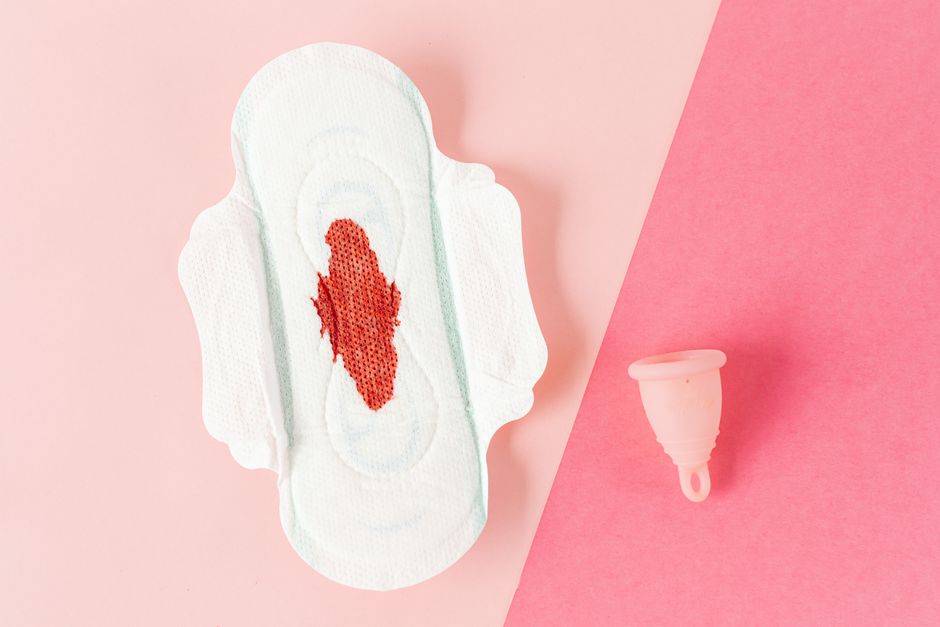
Your period coming has a pattern. For most people, the body sends clear signals 1 to 14 days before bleeding starts. These signals are called premenstrual symptoms. The most common ones include breast tenderness, bloating, mood changes, fatigue, and food cravings. Not everyone gets the same signs. And your own signs can change over time. But knowing your personal pattern is how you predict your period.
What Are the Most Common Physical Signs Your Period Is Coming?
Physical symptoms are often the easiest to notice. Breast tenderness is one of the most reliable early signs. Research published in the Journal of Women’s Health found that over 70% of women report breast pain or swelling before their period. This happens because estrogen and progesterone levels shift in the second half of your cycle. The breast tissue responds to these hormones by retaining fluid and feeling fuller or sore.
Bloating is another very common sign. Your body holds onto more water and salt before your period. This can make your stomach feel tight or your clothes fit differently. Some people also notice constipation or diarrhea. The same hormone changes that affect your breasts also affect your digestive system. Studies show that about 60% of women experience bloating before their period.
Headaches and lower back pain are frequent complaints too. The drop in estrogen right before your period can trigger headaches in people who are sensitive to hormone changes. Muscle aches, especially in the lower back and thighs, are also common. These physical signs usually start a few days before bleeding and go away once your period begins.
What Emotional and Mental Changes Signal Your Period Is Near?
Mood changes are just as real as physical ones. Irritability is the most reported emotional symptom. Small things that normally would not bother you suddenly feel overwhelming. You might feel more angry, sad, or anxious than usual. These changes are not “all in your head.” They are caused by how your brain responds to changing hormone levels. Estrogen and progesterone affect serotonin, a brain chemical that regulates mood.
Some people feel more emotional or cry more easily. Others feel a sense of hopelessness or low energy. Fatigue is extremely common. The CDC reports that nearly half of all women who menstruate say fatigue is one of their top premenstrual symptoms. You might feel like you need more sleep or have trouble getting out of bed.
Brain fog is also real. Trouble concentrating, forgetfulness, and feeling less sharp are common before a period. A study in the journal Psychoneuroendocrinology found that women performed worse on memory and attention tasks during the premenstrual phase. The effect is usually mild but noticeable. If you feel like your thinking is slower, it is not your imagination.
How Do I Know My Period Is Coming Key Signs That Are Less Obvious
Some signs are less talked about but still common. Acne breakouts are one example. About 50% of women with acne notice it gets worse in the week before their period. This is caused by progesterone increasing oil production in your skin. The breakouts usually appear on the lower face, jawline, and chin.
Changes in your sex drive are another less obvious sign. Some people feel a drop in libido. Others feel a temporary increase right before their period. Both are normal. The change depends on your individual hormone response. Cravings for certain foods, especially sweet or salty things, are also very common. Research suggests this is linked to changes in blood sugar regulation and serotonin levels.
Sleep problems are another sign many people miss. You might have trouble falling asleep, wake up during the night, or feel like your sleep is not restful. A study in the journal Sleep found that women report poorer sleep quality in the premenstrual phase. Your body temperature also rises slightly after ovulation, which can make sleeping harder.





What Is the Difference Between PMS and PMDD?
PMS stands for premenstrual syndrome. It includes the physical and emotional symptoms described above. Most people who menstruate have some PMS symptoms. The symptoms are bothersome but manageable for most. PMDD stands for premenstrual dysphoric disorder. It is a much more severe condition that affects about 3% to 8% of women who menstruate.
PMDD causes extreme mood changes that can interfere with daily life. Symptoms include severe depression, intense anger, panic attacks, and thoughts of self-harm. The American College of Obstetricians and Gynecologists states that PMDD is a real medical condition, not just “bad PMS.” If your premenstrual symptoms feel unmanageable or affect your relationships, work, or mental health, talk to a doctor. Treatment options exist and can help.
The key difference is severity. PMS is uncomfortable but you can still function. PMDD makes it hard to function. The timing is the same for both conditions — symptoms start after ovulation and end within a few days of your period starting. If your symptoms last all month, it is probably not PMS or PMDD.
How Can You Track Your Own Premenstrual Signs?
Tracking your symptoms is the most reliable way to know your period is coming. A symptom tracker can be a simple notebook, a calendar, or a phone app. The key is to record your symptoms every day, not just when you think your period is near. This gives you a full picture of your cycle. Most cycles last 21 to 35 days. Ovulation happens about 14 days before your next period starts. Symptoms usually begin after ovulation.
Write down three things each day: your physical symptoms, your mood, and any changes in energy or sleep. Do this for at least two to three months. Patterns will emerge. You might notice that breast tenderness always starts 10 days before your period. Or that you always crave chocolate two days before. Once you know your pattern, you can predict your period with surprising accuracy.
Apps can help but are not perfect. Most period tracking apps predict your next period based on your past cycles. This works well if your cycles are regular. If your cycles are irregular, the predictions are less reliable. The most accurate method is combining app data with your own daily symptom notes. The CDC recommends tracking symptoms to help identify patterns and discuss them with your healthcare provider if needed.
| Symptom | Typical Start Before Period | How Common It Is |
|---|---|---|
| Breast tenderness | 3-14 days | Over 70% of women |
| Bloating | 1-7 days | About 60% of women |
| Fatigue | 1-7 days | Nearly 50% of women |
| Mood changes | 1-14 days | About 50% of women |
| Acne breakouts | 3-10 days | About 50% of women with acne |
| Headaches | 1-3 days | About 30% of women |
What Can You Do to Manage Premenstrual Symptoms?
Lifestyle changes can help reduce how severe your symptoms feel. Exercise is one of the most effective things you can do. Aerobic exercise like walking, jogging, or cycling for 30 minutes most days has been shown to reduce PMS symptoms. Exercise boosts endorphins, which improve mood and reduce pain. It also helps with bloating and fatigue. The American College of Sports Medicine recommends regular exercise as a first-line treatment for PMS.
Diet changes can also help. Eating smaller, more frequent meals can stabilize blood sugar and reduce mood swings. Cutting back on salt can reduce bloating. Reducing caffeine and alcohol may help with breast tenderness and sleep problems. Some studies suggest that calcium supplements can reduce PMS symptoms. Research published in the American Journal of Obstetrics and Gynecology found that women who took 1,200 mg of calcium daily had fewer PMS symptoms. Magnesium and vitamin B6 have also been studied, though the evidence is less strong.
Stress management matters. High stress makes PMS symptoms worse. Deep breathing, meditation, or simply taking 10 minutes to yourself can help. Over-the-counter pain relievers like ibuprofen or naproxen can help with cramps, headaches, and breast pain. Heat packs on your lower back or stomach can also ease discomfort. If your symptoms are severe, talk to a doctor. Birth control pills, antidepressants, or diuretics are treatment options for some people.
- Exercise regularly — 30 minutes of aerobic activity most days reduces symptoms
- Eat smaller meals — frequent meals help stabilize blood sugar and mood
- Reduce salt and caffeine — cuts down on bloating and breast tenderness
- Try calcium supplements — 1,200 mg daily may reduce PMS symptoms
- Manage stress — relaxation techniques can lower symptom severity
- Use heat or pain relievers — helps with cramps, headaches, and body aches
Frequently Asked Questions
How many days before your period do you get symptoms?
Symptoms usually start 1 to 14 days before your period begins, with most people noticing signs about 5 to 7 days before bleeding starts.
Can you have PMS without getting your period?
Yes, you can have PMS symptoms without bleeding if you have an anovulatory cycle where ovulation does not occur, but this is less common.
What is the most reliable sign your period is coming tomorrow?
For most people, the most reliable sign is a specific pattern of symptoms they have tracked over several cycles, such as breast tenderness, cramping, or mood changes.
Do PMS symptoms change as you get older?
Yes, PMS symptoms often change in intensity and type as you age, with some people reporting worse symptoms in their 30s and 40s before menopause.
