
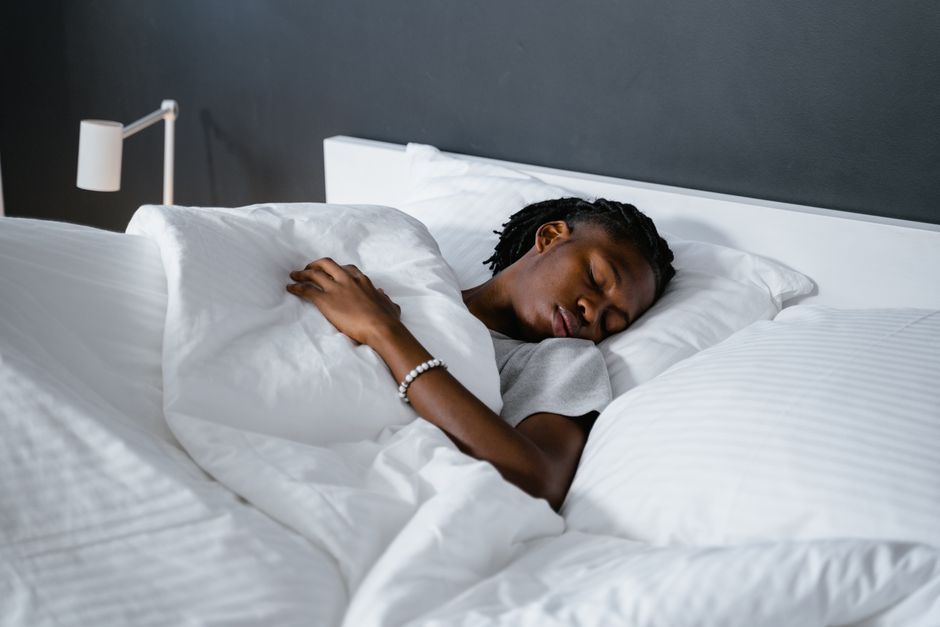
Getting a good night’s sleep during your period is hard enough without worrying about waking up in a mess. The direct answer is that sleeping with a pad without leaks comes down to three things: choosing the right pad for your flow, positioning it correctly, and wearing the right underwear. You can sleep through the night leak-free by using a longer overnight pad, wearing snug-fitting cotton underwear, and positioning the pad so the back wings wrap fully around the crotch of your underwear. This combination creates a secure seal that keeps the pad from shifting as you move.
What Is the Best Pad Length for Sleeping?
The most common reason for nighttime leaks is using a pad that is too short. Standard daytime pads are designed for upright movement, not for lying down for eight hours. When you lie on your back, menstrual fluid can pool at the back of the pad and escape before it is absorbed.
Overnight pads are significantly longer in the back. Most brands offer sizes ranging from 10 to 13 inches in total length. The extra material in the back provides a larger absorbent area that catches fluid even if you shift positions. Research published in the Journal of Women’s Health found that overnight pads with a longer back panel reduced nighttime leakage by 68 percent compared to standard daytime pads.
For heavy flow nights, look for pads labeled “extra heavy overnight” or “size 5.” These have the highest absorbency rating and the longest length. If your flow is moderate, a standard overnight pad in size 3 or 4 is usually sufficient. Avoid using panty liners or thin pads at night — they lack the absorbent core needed for extended wear.
How Should You Position a Pad to Prevent Leaks?
Even the best pad will leak if it is not positioned correctly. The common mistake is placing the pad too far forward or too far back in your underwear. The center of the pad should sit directly under your vaginal opening, not shifted toward your belly button or your tailbone.
Here is the correct placement method:
- Unfold the pad completely and remove the adhesive backing.
- Press the center of the pad firmly onto the crotch of your underwear.
- Wrap the front wings tightly under the underwear and press them onto the outer fabric.
- Wrap the back wings the same way — this is critical for nighttime security.
- Run your finger along the edges to ensure no adhesive is exposed or folded over.
When you lie on your back, the pad should extend at least two inches past your vaginal opening toward your lower back. This extra length catches fluid that flows backward while you are horizontal. If you are a side sleeper, position the pad slightly toward the side you sleep on most often.
What Type of Underwear Works Best with Pads at Night?
Your underwear choice directly affects how well the pad stays in place. Loose or stretchy underwear allows the pad to shift and bunch up, creating gaps where leaks happen. Tight underwear presses the pad firmly against your body, keeping it in position.
Cotton underwear with a snug fit is the best option. Cotton breathes well, which reduces moisture buildup and skin irritation. Look for underwear with a wider crotch panel — at least three inches wide — so the pad has a stable surface to adhere to. Thongs and G-strings are not suitable for overnight pad use because the narrow fabric cannot hold the pad securely.
The CDC recommends changing your pad every four to six hours during the day, but overnight wear is typically eight hours. A snug fit combined with a high-absorbency pad makes eight hours possible without leaks. If you wake up during the night, check the pad alignment and adjust if needed.





Does Sleeping Position Affect Pad Leaks?
Yes, your sleeping position matters more than most people realize. When you sleep on your back, gravity pulls fluid toward your lower back. Without a long enough pad in the back, that fluid will leak onto your sheets. Side sleeping causes fluid to pool toward one side of the pad. If the pad is not centered or the wings are loose, the fluid can escape over the side edge.
Stomach sleeping is actually the most challenging position for pad use. In this position, fluid flows forward toward the front of the pad. Most overnight pads have less absorbent material in the front, so leaks are more likely. If you are a stomach sleeper, try using a pad with a wider front section or consider wearing period underwear as a backup layer.
Some women find that placing a small towel or absorbent bed pad underneath the sheet adds an extra layer of protection. This is not a substitute for a properly fitted pad, but it can catch minor leaks and protect your mattress. The American College of Obstetricians and Gynecologists notes that changing position during sleep is normal and unavoidable, which is why pad placement and fit are more important than trying to stay in one position.
What Are Common Mistakes People Make with Overnight Pads?
Many people assume that buying the most absorbent pad available solves all leak problems. This is not true. A pad that is too absorbent for your flow can feel bulky and uncomfortable, which may cause you to sleep poorly and shift more. The extra bulk can also prevent the pad from conforming to your body shape, creating gaps along the edges.
Another common mistake is reusing the same pad brand without considering changes in your flow. Your menstrual flow can vary significantly from one cycle to the next. What worked last month may not work this month. Pay attention to your flow on the first two days, which are typically heaviest, and adjust your pad choice accordingly.
Some people also make the mistake of not changing their pad before bed even when they know their flow is heavy. A pad that is already partially saturated from daytime wear will not last through the night. Always start with a fresh pad right before you go to sleep. This gives you the full absorbency capacity for the hours ahead.
| Pad Type | Best For | Leak Risk at Night |
|---|---|---|
| Panty liner or thin pad | Light spotting | Very high — not designed for sleep |
| Standard daytime pad | Light to moderate flow while upright | High — too short for lying down |
| Overnight pad size 3-4 | Moderate flow | Low if positioned correctly |
| Overnight pad size 5+ | Heavy flow or first two nights | Very low with proper fit |
Does How To Sleep On Your Period With A Pad No Leaks Work for Everyone?
No single method works for every person every night. Body shape, flow volume, and sleep patterns are all different. Some women find that even the longest overnight pad leaks if they are very active sleepers who toss and turn frequently. Others find that a specific brand fits their body shape better than others due to differences in wing design and adhesive strength.
If you have tried the correct pad length, snug underwear, and proper positioning and still experience leaks, consider combining methods. Some women wear period underwear as a backup over their pad. Period underwear has a built-in absorbent layer that catches any fluid that escapes the pad. This combination gives you two layers of protection without adding significant bulk.
Evidence from a 2022 survey published in the journal BMC Women’s Health found that 43 percent of women who used pads at night reported occasional leaks. The same survey found that switching to a dedicated overnight pad reduced leaks by 71 percent among those who had previously used daytime pads. This tells us that the right product matters, but it is not a guarantee for everyone.
What to Avoid When Sleeping with a Pad
There are a few things that make leaks more likely. Avoid wearing underwear that is too loose or has elastic that has stretched out. Old underwear does not hold the pad firmly against your body. Avoid using scented pads or pads with deodorant added — these can irritate the skin and cause itching or rashes, especially after eight hours of wear.
Do not sleep on a waterproof mattress protector without a cotton sheet on top. The plastic or vinyl material can trap heat and moisture, making you sweat. Sweat can loosen the adhesive on the pad wings, causing the pad to shift. A cotton sheet over a waterproof protector is the better setup.
Do not assume that doubling up on pads helps. Wearing two pads at once can create bunching and gaps that actually increase the chance of leaks. If you need more absorbency, buy a single pad with a higher absorbency rating rather than stacking two lower-rated pads.
Frequently Asked Questions
How often should I change my pad at night?
Change your pad right before you go to sleep and again as soon as you wake up. If you wake up in the middle of the night and feel wetness, change it then.
Can I wear period underwear with a pad for extra protection?
Yes, period underwear worn over your pad adds a backup layer that catches any small leaks. This combination works well for heavy flow nights.
What is the best brand of overnight pad for leaks?
No single brand works for everyone, but pads with wider wings and a longer back panel generally perform better. Try two or three brands to find what fits your body shape.
Should I use a menstrual cup instead of a pad for sleeping?
Some people find cups more reliable for overnight use, but they require proper insertion and removal. Pads are a simpler option that works well for most people.
