
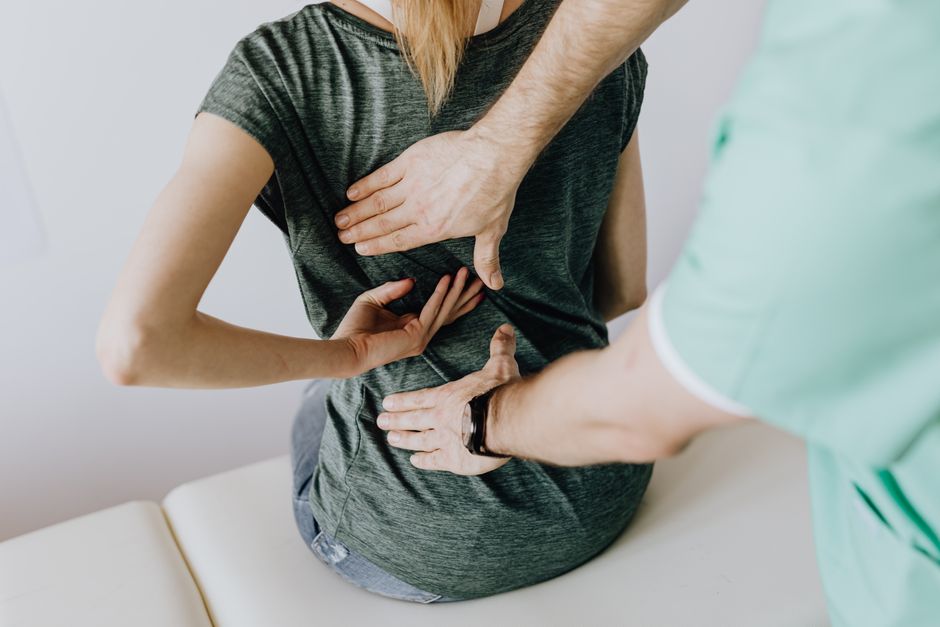
Back pain before your period is caused by the hormone prostaglandin, which makes your uterus contract and can also trigger pain in your lower back. This is a normal part of the menstrual cycle for many women, not a sign of something wrong. The pain usually starts a day or two before your period begins and fades once bleeding starts.
What Exactly Causes Lower Back Pain Before Your Period?
Prostaglandins are the main culprit. These are chemical compounds your body releases to help the uterus shed its lining. They cause the uterine muscles to tighten and relax, which is what you feel as cramps.
But prostaglandins don’t stay in one place. They can affect nearby muscles and nerves, including those in your lower back. Research shows that women who have more severe menstrual pain also tend to have higher levels of prostaglandins. The pain is not “in your head.” It is a real physical response to these chemicals.
Another factor is water retention. Before your period, your body holds on to more fluid. This can put extra pressure on your spine and the muscles in your lower back. The combination of muscle contractions and added fluid weight is why the pain often feels like a dull ache or a heavy pressure.
Is This Type of Back Pain Normal or Something Else?
For most women, pre-period back pain is normal. The American College of Obstetricians and Gynecologists states that more than half of women who menstruate experience some pain for one to two days each month. Back pain is one of the most common symptoms alongside cramping, bloating, and mood changes.
However, you should know the difference between typical menstrual back pain and pain that might signal another issue. Normal pre-period back pain follows a predictable pattern. It starts one to two days before your period. It peaks on the first day of bleeding. It fades within 48 hours. It is usually a dull ache that feels centered in the lower back.
Pain that lasts longer than a few days or feels sharp and stabbing may need a closer look. Endometriosis, fibroids, or pelvic inflammatory disease can also cause back pain. These conditions do not follow the monthly rhythm of your period. If your back pain is constant throughout the month or gets worse over time, see a doctor.
What Actually Helps Reduce Menstrual Back Pain?
Heat therapy is one of the most effective and simple options. A heating pad or a warm bath relaxes the muscles in your lower back. It also increases blood flow to the area, which helps clear out pain-causing chemicals. Studies have found that heat can be as effective as ibuprofen for some women, without the side effects.
Over-the-counter anti-inflammatory drugs work well because they target prostaglandins directly. Ibuprofen (Advil, Motrin) and naproxen (Aleve) block the production of these chemicals. The key is to take them before the pain gets bad. If you know your period is coming in two days, start taking them then. Do not wait until the pain is severe.
Gentle movement also helps. Light walking, stretching, or yoga poses like child’s pose can ease the ache. The instinct is to curl up and not move, but complete rest can actually make the muscles stiffer. Keep the movement low-impact. Do not do intense exercise during this time if it hurts.





What Does the Research Say About Exercise and Menstrual Back Pain?
Research published in the Journal of Physical Therapy Science found that women who did regular stretching exercises for eight weeks had significantly less menstrual pain, including back pain. The stretches targeted the lower back and pelvic area. The women in the study reported a 40 percent reduction in pain intensity.
Another study in the Journal of Alternative and Complementary Medicine looked at yoga. Women who practiced a specific sequence of poses for 12 weeks had less pain and fewer menstrual symptoms overall. The researchers noted that yoga helped reduce stress hormones, which can make pain feel worse.
The evidence is clear that movement helps, but it does not have to be a formal routine. Even 15 minutes of walking each day during the week before your period can make a difference. The goal is to keep blood flowing and muscles loose, not to break a sweat.
Should You Try Supplements or Alternative Treatments?
Some women report that magnesium supplements help with menstrual back pain. Magnesium relaxes muscles and may reduce the intensity of cramps. A small study in the European Journal of Obstetrics & Gynecology found that women who took 250 mg of magnesium daily had less pain. The evidence is not strong enough to call it a proven treatment, but it is safe for most people to try.
Vitamin B1 (thiamine) has also been studied. Research from the Journal of Midwifery & Women’s Health showed that women who took 100 mg of B1 daily had less menstrual pain. Again, the studies are small, but the risk is low. Talk to your doctor before starting any new supplement.
Acupuncture is widely claimed to help, but the evidence is mixed. Some studies show a benefit, while others find no difference from sham acupuncture. If you want to try it, find a licensed practitioner. It is not a replacement for medical care, but some people find real relief. Strong evidence is limited, so keep your expectations realistic.
What Should You Avoid When You Have Menstrual Back Pain?
Avoid sitting in one position for too long. When you sit, your lower back bears more weight. If you have to sit for work, get up every 30 minutes and walk for a minute or two. Use a small pillow or rolled towel behind your lower back for support.
Avoid heavy lifting during the first day or two of your period. Your back muscles are already under strain from the prostaglandins. Adding a heavy load can make the pain worse or cause a muscle spasm. If you must lift something, bend at your knees, not your waist.
Do not ignore the pain and try to push through it. Rest is not weakness. If your body is telling you to slow down, listen. Taking a day to rest and use heat can prevent the pain from getting worse and shorten how long it lasts.
When Should You See a Doctor for Pre-Period Back Pain?
See a doctor if your back pain is so severe that it keeps you from going to work or school. That level of pain is not normal and may be a sign of a condition like endometriosis or fibroids. These conditions can be treated, but only if you get diagnosed.
See a doctor if the pain does not follow your menstrual cycle. If your back hurts all month long or at random times, it is probably not related to your period. It could be a musculoskeletal issue or something else entirely. A doctor can help you figure out what is going on.
Also see a doctor if you have other symptoms like heavy bleeding, fever, or pain during sex. These can be signs of an infection or a reproductive health condition that needs treatment. Do not assume it is just your period.
| Typical Menstrual Back Pain | Pain That Needs a Doctor |
|---|---|
| Starts 1-2 days before period | Pain lasts longer than 3 days |
| Dull ache in lower back | Sharp or stabbing pain |
| Fades within 48 hours of bleeding | Pain is constant throughout month |
| Relieved by heat or ibuprofen | Does not respond to pain relievers |
| No other symptoms | Heavy bleeding, fever, or pain during sex |
Common Misconceptions About Menstrual Back Pain
One common myth is that back pain before your period means you have a serious condition like endometriosis. For most women, this is not true. Period-related back pain is a normal response to prostaglandins. Only a small percentage of women with severe pain have an underlying condition.
Another myth is that you should not exercise during your period. This is not supported by evidence. Gentle movement actually helps reduce pain. The key is to listen to your body and not push into pain. Walking, stretching, and light yoga are safe and helpful.
A third myth is that birth control pills will fix the problem. They can help by reducing the amount of prostaglandins your body produces, but they do not work for everyone. Some women still have pain even on the pill. It is not a guaranteed solution.
Frequently Asked Questions
Can back pain before my period mean I am pregnant?
Yes, lower back pain can be an early sign of pregnancy, but it is not reliable on its own. The only way to know is to take a pregnancy test.
How long does pre-period back pain usually last?
It typically lasts one to two days before your period starts and fades within 48 hours of bleeding. If it lasts longer, see a doctor.
Is it safe to take ibuprofen every month for this pain?
Taking ibuprofen for two to three days each month is generally safe for most people. Do not take it for more than 10 days in a row without talking to a doctor.
Does drinking water help with menstrual back pain?
Staying hydrated can reduce bloating and muscle tension, which may help ease the pain. It is not a cure, but it is a simple thing that can make a difference.
