
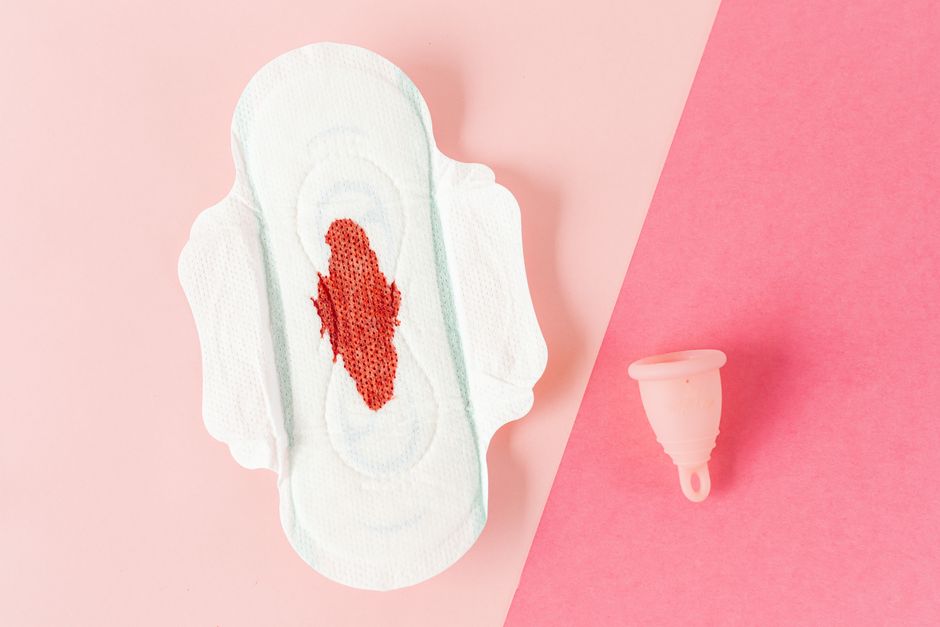
You can stop or shorten your period early using hormonal birth control methods like the combined pill, the ring, or the patch. These are the only clinically proven safe methods that actually work. Taking ibuprofen at high doses may reduce bleeding by 20-30 percent, but it will not stop your period entirely.
What Actually Happens When You Try to Stop Your Period?
The menstrual cycle is controlled by hormones — mainly estrogen and progesterone. These hormones build up the uterine lining each month. When they drop, the lining sheds. That shedding is your period.
To stop your period early, you need to keep those hormone levels steady. Birth control pills do this by providing a constant dose of hormones. When you skip the placebo pills and start a new pack immediately, your uterine lining stays thin. No drop in hormones means no bleeding.
This is not new or experimental. The FDA approved extended-cycle birth control pills like Seasonale and Seasonique over 20 years ago. These are designed specifically for fewer periods. Some people take them continuously and have zero bleeding for months at a time.
What matters is that you start this method before your period begins. Once bleeding has started, you cannot reverse it. The lining is already shedding. You can only reduce the amount or duration.
How To Stop Your Period Early Safe Methods That Work — The Birth Control Options
The most reliable way to stop your period early is to use combination birth control pills continuously. This means taking the active pills every day without the placebo week. You skip the withdrawal bleed entirely.
According to the American College of Obstetricians and Gynecologists, this is safe and effective. There is no medical need to have a period every month when you are on hormonal birth control. The bleeding you get during the placebo week is not a real period. It is withdrawal bleeding from the hormone drop.
Other options that work the same way include:
- The vaginal ring (NuvaRing) — you can replace it immediately after three weeks instead of taking a week off
- The birth control patch — same approach, apply a new patch weekly without a break
- The hormonal IUD (Mirena, Liletta) — after the first few months, many people have very light periods or none at all
- The implant (Nexplanon) — often causes lighter or absent periods over time
These methods require planning. You cannot use them to stop a period that has already started. But if you start them before your period is due, they can prevent it from happening.
Does Ibuprofen Actually Stop Your Period?
Ibuprofen is a nonsteroidal anti-inflammatory drug (NSAID). It reduces the production of prostaglandins, which are chemicals that cause the uterus to contract and shed its lining. Less prostaglandin activity can mean less bleeding.
Research published in the journal Obstetrics & Gynecology found that high-dose ibuprofen (600 to 800 milligrams taken every 6 to 8 hours) reduced menstrual blood loss by about 20 to 30 percent. That is meaningful for someone with heavy bleeding. But it does not stop your period.
There is a common myth that taking ibuprofen for three days before your period starts will prevent it. That is not supported by evidence. Ibuprofen can reduce the flow and ease cramps, but it cannot override the hormonal signals that trigger menstruation.
Some people also try naproxen (Aleve) for the same reason. It works similarly. Both are safe when used as directed for short periods. But taking high doses for more than a few days increases the risk of stomach bleeding and kidney problems. The FDA warns against exceeding the recommended dose.




What About Natural or Herbal Methods to Stop Your Period?
There is no strong evidence that any herbal supplement can stop your period early. Some people report that vitamin C, ginger, or turmeric helps. But these claims come from personal stories, not clinical studies.
A 2018 review in the Journal of Alternative and Complementary Medicine looked at herbal treatments for menstrual disorders. It found limited evidence for things like ginger reducing pain. But for stopping a period entirely, the review found no reliable data.
Some herbs like yarrow, shepherd’s purse, and cinnamon are traditionally used to reduce heavy bleeding. But traditional use is not the same as clinical proof. The doses, safety, and effectiveness are not established. The FDA does not regulate supplements for this purpose.
There is also a risk. Some herbs can interact with prescription medications or affect hormone levels in unpredictable ways. Without quality control in supplements, you cannot know exactly what you are taking. That is not a risk worth taking when safe medical options exist.
As of 2026, there is no clinical evidence that any natural supplement can reliably stop a period that has already started.
What to Avoid When Trying to Stop Your Period Early
Some methods that circulate online are dangerous. Do not try to stop your period by taking large amounts of vitamin C. At very high doses, vitamin C can cause kidney stones and severe diarrhea. It does not stop your period.
Another risky approach is using hormonal medications that are not prescribed for you. Taking someone else’s birth control pills or using hormone creams meant for menopause can cause unpredictable bleeding and serious side effects.
Avoid any method that involves inserting things into the vagina to block the flow. Tampons and menstrual cups collect blood, they do not stop it. Leaving them in for extended periods increases the risk of toxic shock syndrome, which can be fatal.
Some people try to stop their period by fasting or severely restricting calories. The body can stop menstruating during extreme starvation or very low body fat. But this is a sign of malnutrition, not a safe method. It can cause bone density loss, heart problems, and fertility issues.
Comparing the Main Options
| Method | How It Works | Can It Stop Period Entirely? | Evidence Level |
|---|---|---|---|
| Continuous birth control pills | Keeps hormone levels steady, no withdrawal bleed | Yes, for many people | Strong — FDA approved, ACOG supported |
| Hormonal IUD | Thins uterine lining over time | Often after 6-12 months | Strong — clinical trials |
| High-dose ibuprofen | Reduces prostaglandins, less bleeding | No, only reduces flow | Moderate — studies show 20-30% reduction |
| Herbal supplements | Unknown mechanisms | No reliable evidence | Weak — no clinical proof |
When Should You Talk to a Doctor?
If you want to stop your period regularly, talk to a healthcare provider. They can prescribe the right birth control for your situation. Some people should not use estrogen-containing methods — for example, if you smoke and are over 35, or if you have a history of blood clots or migraines with aura.
A doctor can also check for underlying causes if your periods are heavy, painful, or irregular. Conditions like fibroids, endometriosis, or thyroid problems can cause abnormal bleeding. Treating the underlying condition may help more than trying to stop the period itself.
If you are trying to stop a period for a specific event like a wedding or a vacation, plan ahead. Most doctors recommend starting continuous birth control at least one cycle before the event. This gives your body time to adjust and reduces the chance of breakthrough bleeding.
Breakthrough bleeding is the most common side effect of skipping periods. It happens when the uterine lining builds up slightly and sheds unpredictably. This is not dangerous, but it can be inconvenient. Taking a short break from active pills every three to four months can help reset the lining.
The CDC reports that about 14 percent of women in the United States use oral contraceptives for non-contraceptive reasons, including period management. This is a common and well-studied practice.
Frequently Asked Questions
Can I stop my period once it has already started?
No. Once bleeding has started, you cannot stop it. You can only reduce the flow with high-dose ibuprofen or similar medications.
Is it safe to skip your period with birth control pills?
Yes. Medical experts confirm it is safe to skip the placebo week and take active pills continuously to avoid bleeding.
How much ibuprofen do I need to take to reduce my period flow?
Studies use 600 to 800 milligrams taken every 6 to 8 hours, but you should not exceed the dose on the label without a doctor’s approval.
Will my period come back heavier after I stop birth control?
It may return to your normal pattern, but some people experience a temporary change in flow or cycle length for a few months.
