
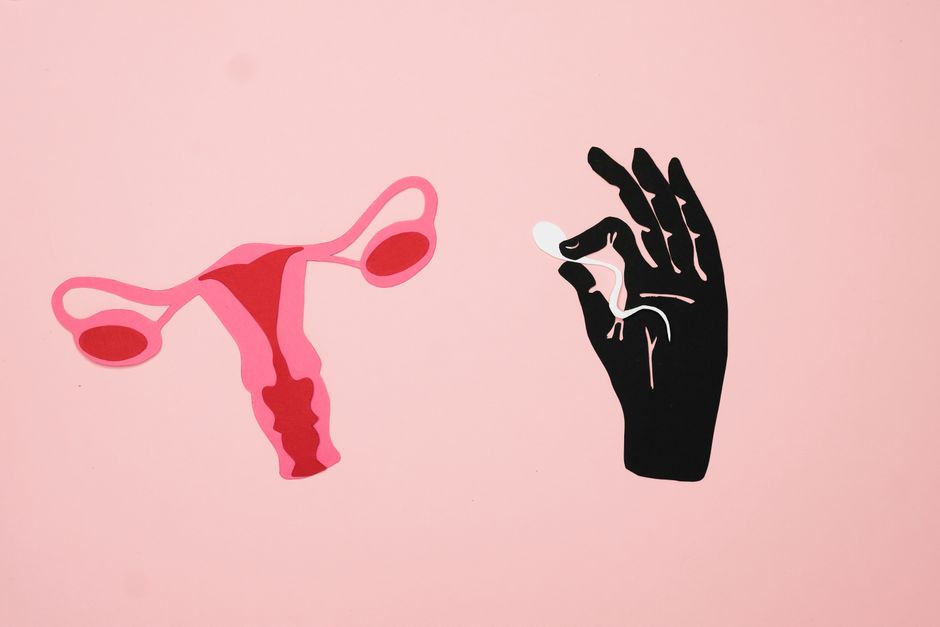
By the time you are 10 weeks pregnant, your uterus has grown to about the size of a large orange or a small grapefruit. It has expanded from its pre-pregnancy size of roughly a pear into a round, firm organ that now sits just above your pubic bone. Your healthcare provider can often feel the top of your uterus, called the fundus, during an exam at this stage.
How Big Is The Uterus At 10 Weeks Of Pregnancy Compared To Earlier Weeks?
At 10 weeks, the uterus has grown significantly compared to the first few weeks. Pre-pregnancy, the uterus is about the size of a pear and weighs around 60 to 70 grams. By week 6, it has grown to the size of a small lemon. By week 8, it is about the size of an orange.
At 10 weeks, the uterus is roughly 4 to 5 inches in diameter. This is a noticeable jump. The growth happens because the uterine muscle fibers are stretching and multiplying to make room for the growing baby, placenta, and amniotic fluid.
The fundal height, which is the measurement from the pubic bone to the top of the uterus, is not typically measured until around week 12 to 14. But at 10 weeks, the fundus is just above the pubic symphysis. You cannot feel it from the outside yet, but your doctor can detect it during a pelvic exam.
What Does This Growth Feel Like For You?
You may not feel the uterus itself, but you may notice changes in your lower abdomen. Some women describe a feeling of fullness or pressure low in the belly. This is the uterus pushing upward and outward.
You might also feel a slight roundness or firmness just above the pubic bone when you lie down. This is normal. The uterus is still a pelvic organ at this point, meaning it sits within the pelvis rather than expanding into the abdominal cavity.
Some women feel mild cramping as the uterine ligaments stretch. This is called round ligament pain, though it is more common in the second trimester. If cramping is severe or accompanied by bleeding, contact your healthcare provider.
How Does The Uterus Change To Accommodate The Baby?
The uterus undergoes remarkable changes during pregnancy. At 10 weeks, the uterine wall is thickening. The muscle layer, called the myometrium, is becoming more vascular. Blood flow to the uterus increases significantly to support the developing placenta.
The shape also changes. Pre-pregnancy, the uterus is flat and pear-shaped. By 10 weeks, it becomes more spherical. This round shape allows for optimal space as the embryo grows into a fetus.
The cervix remains long and closed at this stage. It acts as a seal to protect the pregnancy. The lower part of the uterus softens, which is one of the early signs of pregnancy that doctors check during exams.
Research shows that by 10 weeks, the uterus has already increased its blood supply by about 50 percent. This increase continues throughout pregnancy. The uterine arteries enlarge to accommodate the extra flow.





What Does An Ultrasound At 10 Weeks Show About The Uterus?
An ultrasound at 10 weeks provides clear images of the uterus and the baby. The uterus appears as a thick-walled, fluid-filled structure. The gestational sac is visible, and the fetus is moving.
The ultrasound can measure the size of the uterus indirectly by measuring the crown-rump length of the fetus. At 10 weeks, the baby is about 1.2 to 1.6 inches long from head to bottom. The uterus must be large enough to hold the baby, the amniotic fluid, and the placenta.
The ultrasound also shows the placenta beginning to form. It appears as a thickened area along the uterine wall. The yolk sac, which provided early nutrition, is shrinking.
Some women worry if the uterus appears small or large on ultrasound. As of 2026, current research suggests that uterine size at 10 weeks varies naturally. What matters more is consistent growth over time. A single measurement is less important than the trend.
What Affects Uterine Size At 10 Weeks?
Several factors influence how big the uterus is at 10 weeks. These include:
- Number of pregnancies: Women who have been pregnant before may have a slightly larger uterus early on because the uterine muscles have already stretched.
- Multiple babies: Twins or triplets cause the uterus to grow faster and larger than a singleton pregnancy.
- Fibroids: Uterine fibroids can make the uterus appear larger than expected. They are common and usually harmless during pregnancy.
- Body type: Women with a shorter torso may feel the uterus earlier because there is less room for it to expand upward.
- Position of the uterus: A retroverted uterus, tilted backward, may not be felt as early but grows normally.
It is important to note that being larger or smaller than average at 10 weeks does not automatically mean a problem. Your healthcare provider will track growth over several visits to ensure it is progressing normally.
When Should You Be Concerned About Uterine Size At 10 Weeks?
Most variations in uterine size at 10 weeks are normal. However, there are some signs that warrant attention.
If the uterus feels unusually large or hard, it could indicate a molar pregnancy, which is a rare condition where abnormal tissue grows instead of a normal pregnancy. This is detected on ultrasound.
If the uterus is smaller than expected, it could suggest a possible miscarriage or an inaccurate due date. Your doctor will use ultrasound to confirm the baby’s size and heartbeat.
Severe pain or heavy bleeding with a feeling of uterine fullness could indicate an ectopic pregnancy, where the pregnancy implants outside the uterus. This is a medical emergency. Symptoms include sharp pelvic pain, shoulder pain, and dizziness.
Do not ignore these symptoms. Contact your healthcare provider if you experience any concerning changes.
Common Misconceptions About Uterine Size At 10 Weeks
There is a lot of misinformation about uterine size in early pregnancy. Let me clear up a few things.
First, you cannot reliably tell the size of your uterus by looking at your belly at 10 weeks. Most women do not show a visible bump this early. Bloating from hormones can make the belly look bigger, but that is gas, not the uterus.
Second, a small uterus does not mean a small baby. The uterus grows at its own pace. The baby’s growth is measured separately through ultrasound.
Third, feeling the uterus above the pubic bone does not mean something is wrong. It is a normal finding at 10 weeks for many women, especially those who have been pregnant before.
Finally, some online sources claim that the uterus doubles in size every week in the first trimester. That is not accurate. Growth is steady but not that fast. The uterus grows most rapidly between weeks 8 and 12, but it is a gradual process.
Frequently Asked Questions
Frequently Asked Questions
Can you feel the uterus at 10 weeks from the outside?
Most women cannot feel the uterus from the outside at 10 weeks. Your doctor can feel it during a pelvic exam, but it is still low in the pelvis.
Is it normal to have a hard belly at 10 weeks pregnant?
A hard feeling low in the abdomen can be normal as the uterus expands. If the hardness is painful or constant, check with your provider.
Does a large uterus at 10 weeks mean twins?
Not necessarily. A larger uterus can be caused by fibroids, previous pregnancies, or an earlier due date. Ultrasound is the only way to confirm twins.
What does the uterus measure on ultrasound at 10 weeks?
Ultrasound does not directly measure the uterus at 10 weeks. It measures the baby’s crown-rump length, which averages about 1.2 to 1.6 inches at this stage.
