
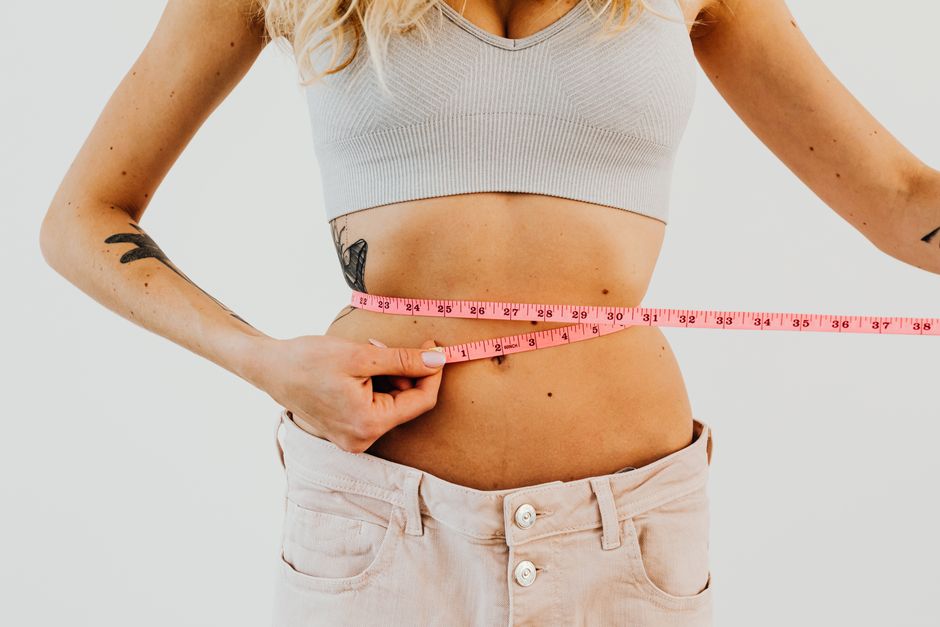
Yes, rapid or significant weight loss can cause temporary hair loss. This condition, known as telogen effluvium, typically begins two to three months after the weight loss occurs. The good news is that this type of hair shedding is usually temporary, and hair growth typically returns to normal once your body adjusts and your nutritional intake is stable.
Why Does Weight Loss Trigger Hair Shedding?
Hair loss after weight loss is rarely about the weight itself. It is about the stress the body experiences during the process. When you lose weight quickly, especially through very low-calorie diets, your body perceives this as a physical stressor.
This stress pushes a large number of hair follicles from their active growing phase into a resting phase. After a few months, those resting hairs fall out. This is a condition called telogen effluvium.
Your body prioritizes essential functions like breathing and organ function over hair growth. Hair is not essential for survival, so it is one of the first processes to slow down when resources are limited.
What Is Telogen Effluvium Exactly?
Telogen effluvium is a form of temporary hair loss that happens when stress causes a shift in your hair growth cycle. Normally, about 85 to 90 percent of your hair is in the growing phase at any given time. The rest is in a resting phase.
When a major stressor occurs—like rapid weight loss, surgery, illness, or severe emotional distress—your body can push up to 30 percent of your growing hairs into the resting phase. This is a significant shift.
These resting hairs stay in place for about two to three months. Then they shed. This is why you often do not notice the hair loss until months after the weight loss happened. You may notice large clumps of hair in your brush or in the shower drain.
This condition is not permanent. It does not destroy the hair follicle. Once the stressor is removed and your body recovers, the follicles re-enter the growing phase and new hair appears.
What Nutritional Deficiencies Are Linked to Hair Loss?
Rapid weight loss often means you are not eating enough of the nutrients your hair needs to grow. Hair follicles are among the most metabolically active cells in the body. They require a steady supply of energy and specific nutrients.
Some research suggests that deficiencies in certain nutrients are linked to hair shedding. These include:
- Iron — Low ferritin levels are frequently seen in people with hair loss, particularly women.
- Protein — Hair is made almost entirely of protein. Severe protein restriction can halt hair growth.
- Zinc — This mineral supports hair tissue growth and repair.
- Vitamin D — Low levels have been associated with several types of hair loss.
- B Vitamins — Particularly B12 and biotin, which play roles in cell metabolism.
It is important to note that having a deficiency does not automatically mean you will lose hair. However, if you are losing hair after rapid weight loss, a nutrient deficiency may be a contributing factor.




Does the Speed of Weight Loss Matter?
Yes. The rate of weight loss plays a major role in whether you experience hair shedding. Slow, steady weight loss is far less likely to trigger telogen effluvium than rapid weight loss.
Crash diets, very low-calorie diets, and weight loss surgeries often cause rapid changes in the body. These are the situations most commonly associated with hair loss.
Losing weight at a gradual pace—generally considered one to two pounds per week—gives your body time to adapt. It also allows you to maintain adequate nutrient intake while still creating a calorie deficit.
If you lose weight too quickly, you are more likely to miss out on essential vitamins and minerals. You are also more likely to trigger the physiological stress response that leads to shedding.
Will Hair Grow Back After Weight Loss?
For most people, yes. Telogen effluvium is a temporary condition. Once your weight stabilizes and your nutritional intake improves, your hair should begin to grow back.
The timeline varies from person to person. Shedding typically stops within six months of the initial trigger. Visible regrowth may take several more months because hair grows slowly—about half an inch per month on average.
Some people notice new baby hairs along their hairline within a few months. Others may see a gradual thickening over a longer period. Patience is necessary.
If your hair loss continues for more than six months after your weight has stabilized, or if you notice bald patches, you should see a healthcare provider. There may be another cause, such as thyroid disease, hormonal changes, or an autoimmune condition.
What Should You Eat to Support Hair Health During Weight Loss?
If you are losing weight and want to protect your hair, focus on nutrient density. Every calorie you eat should carry nutritional value.
Prioritize adequate protein. Aim to include a source of protein at every meal. Lean meats, poultry, fish, eggs, dairy, beans, and legumes are good options. Protein provides the building blocks for hair structure.
Do not eliminate entire food groups unnecessarily. Many fad diets restrict carbohydrates or fats entirely. Your body and your hair need a balance of macronutrients to function properly.
Include iron-rich foods such as spinach, red meat, and lentils. Pair them with vitamin C sources like citrus fruits or bell peppers to improve iron absorption. This is particularly relevant for premenopausal women, who are at higher risk for iron deficiency.
If you are considering supplements, be cautious. Taking high doses of certain vitamins and minerals can be harmful. For example, excess vitamin A can actually cause hair loss. It is better to get nutrients from food and to have a healthcare provider check for specific deficiencies before supplementing.
Can Calorie Restriction Alone Cause Hair Loss?
Yes, even without a specific nutrient deficiency, severe calorie restriction can trigger hair shedding. The body interprets a large energy deficit as a threat. It shifts resources away from non-essential functions like hair growth.
This is why people on very low-calorie diets—often under 1,000 calories per day—frequently report hair loss. The body is in a state of energy conservation.
Some research suggests that intermittent fasting may also cause temporary hair shedding in some people, although the evidence is not conclusive. The key factor appears to be the overall calorie deficit and the stress it places on the body, rather than the specific eating pattern.
If you are planning a significant calorie reduction, consider a moderate deficit instead. A reduction of 300 to 500 calories per day is generally considered safe and sustainable for most adults.
When Should You See a Doctor About Hair Loss?
Telogen effluvium is common and usually resolves on its own. However, you should not assume every case of hair loss is related to weight loss.
See a healthcare provider if you experience any of the following:
- Hair loss that continues beyond six months
- Bald patches or scaly areas on the scalp
- Hair loss that occurs without an obvious trigger
- Pain, itching, or burning on the scalp
- Hair loss accompanied by fatigue, weight gain, or other systemic symptoms
Your doctor can run blood tests to check for thyroid function, iron levels, vitamin D, and other potential causes. They can also help you determine whether your weight loss approach is safe and sustainable.
Do not self-diagnose. Several conditions cause hair loss, and some require medical treatment. A proper evaluation is the only way to know for certain what is happening.
Does Weight Loss Cause Hair Loss in Men and Women Differently?
Women are more likely to notice weight loss-related hair shedding than men. This is partly because women are more likely to engage in rapid weight loss diets and partly because female hair patterns make shedding more noticeable.
Men can also experience telogen effluvium from rapid weight loss. However, men with male pattern baldness may find it harder to distinguish between the two conditions. Weight loss can accelerate shedding in men who are already genetically predisposed to hair thinning.
The underlying mechanism is the same regardless of gender. The body responds to stress and nutrient restriction by temporarily shutting down hair growth. The difference lies in the baseline hair status of the individual.
Frequently Asked Questions
How long after weight loss does hair loss start?
Hair loss typically begins two to three months after the weight loss occurs.
This delay happens because hair follicles need time to cycle through the resting phase before shedding.
Can losing 20 pounds cause hair loss?
Yes, losing a significant amount of weight rapidly can trigger temporary hair shedding.
The trigger is the speed of loss and the associated calorie restriction, not the specific number of pounds lost.
Will hair grow back after weight loss hair loss?
Yes, hair typically regrows once your weight stabilizes and your nutrient intake improves.
Full regrowth can take several months because hair grows slowly, but the condition is generally temporary.
Does biotin stop hair loss from weight loss?
Biotin only helps if you have a true biotin deficiency, which is rare.
No clinical evidence confirms that biotin supplements stop hair loss in people with normal biotin levels.
