
Hair shedding during GLP-1 treatment is usually a stress response called telogen effluvium, not a direct chemical effect of the drug on your hair follicles. It typically starts two to four months after you begin losing weight quickly or eating much less, and it is usually temporary. The most effective steps are correcting any nutrient gaps, getting enough protein, and talking to your prescriber before you stop the medication on your own.
How To Stop Hair Loss From GLP-1 Female
There is no treatment that stops this kind of shedding overnight. What works is removing the trigger and supporting regrowth, and that takes months, not weeks.
Telogen effluvium happens when a stressor pushes a large number of hair follicles into the resting phase at the same time. Roughly three months later, those hairs fall out together. The trigger here is usually rapid weight loss or a sharp drop in food intake, not the medication molecule itself. That distinction matters, because it changes what you do about it.
GLP-1 medications are also prescribed for type 2 diabetes, and some people taking them have reported hair loss without major weight loss. So the picture is not perfectly clean. But the dominant pattern clinicians see is shedding that tracks with fast weight loss and low intake.
What actually helps:
- Eat enough protein. Hair is largely protein, and very low intake during rapid weight loss is common.
- Fix specific deficiencies if blood tests show them. Iron, zinc, vitamin D, and vitamin B12 are the usual suspects.
- Slow the rate of weight loss if your prescriber agrees. Faster loss tends to mean more shedding.
- Ask your prescriber to review your medications, including any other drugs you take.
- Be patient. Regrowth usually becomes visible over several months once the trigger is gone.
What does not work: biotin supplements taken without a documented deficiency. There is no good evidence that biotin helps hair loss in people who are not deficient, and it can interfere with certain lab tests, including some thyroid and cardiac tests. That is a real safety issue, not a minor one.
Does Ozempic Cause Hair Loss In Women?
Hair loss is listed as a possible side effect in prescribing information for some GLP-1 medications, and it has been reported in women taking them. That does not mean the drug directly damages hair follicles.
When a medication label lists hair loss, it usually reflects reports submitted after the drug reached the market, not a proven cause-and-effect from controlled trials. Those reports are useful signals. They are not proof of mechanism.
The more likely explanation is indirect. GLP-1 medications reduce appetite and slow stomach emptying. Many people eat far less than before, and often eat less protein and fewer micronutrient-rich foods. Rapid weight loss itself is a well-known trigger for telogen effluvium. So is major surgery, severe illness, and crash dieting — all situations where the body is under strain.
There is also a plausible hormonal angle. Weight loss changes estrogen levels, and estrogen shifts are linked to hair changes. This is a reasonable hypothesis, not a confirmed mechanism for GLP-1-related shedding.
The practical point: if you are shedding, the drug may be part of the chain, but it is usually not the whole story. Look at how fast you lost weight, how much you are eating, and what your labs show.
Is GLP-1 Hair Loss Permanent?
No. Telogen effluvium is self-limiting in most cases. Once the trigger resolves, hair typically returns.
The catch is timing. Hair grows slowly, roughly half an inch per month on average. A follicle that shed its hair needs to cycle back into active growth, then produce a new fiber long enough to be visible. That is why recovery is measured in months, not days.
Full recovery is not guaranteed in every case, though. If there is an ongoing cause — a persistent nutrient deficiency, an untreated thyroid problem, or continued rapid weight loss — shedding can continue or recur. And if you had an underlying hair condition before starting the medication, that condition will still be there afterward.
One thing worth knowing: not all hair loss is telogen effluvium. Female pattern hair loss, also called androgenetic alopecia, looks different. It thins along the part and crown rather than shedding evenly all over. It does not resolve on its own and does not reverse when a trigger is removed. If your part is widening, that is a different problem and needs a different conversation with a clinician.




What Nutrient Deficiencies Cause Hair Loss On GLP-1?
Several nutrient shortfalls are linked to hair shedding, and they are more common when food intake drops sharply. The relationship is best established for iron and zinc, with reasonable evidence for vitamin D and B12.
Iron deficiency is one of the most studied contributors to hair loss in women. Low ferritin, the stored form of iron, has been associated with shedding and with poorer response to hair loss treatment. This is worth checking with a blood test rather than guessing.
Zinc deficiency is also associated with hair loss. So is low vitamin D, though the evidence is less direct. Vitamin B12 matters too, especially for people eating less animal protein or taking certain medications that affect absorption.
Protein deserves its own mention. It is not a micronutrient, but inadequate protein intake during rapid weight loss is common and hair is built from protein. Many people on GLP-1 medications find they are eating far less than they realize.
Here is the part that gets skipped: taking supplements you do not need is not harmless. Iron supplements taken without a documented deficiency can cause constipation and, in excess, more serious problems. High-dose vitamin A is linked to hair loss rather than helping it. Get tested first, then treat what is actually low.
What Can You Do About Hair Loss While On GLP-1?
Start with your prescriber, not the supplement aisle. The first question is whether your weight loss has been too fast and whether your intake is adequate.
Protein is the most actionable lever. Most adults need a meaningful amount of protein daily, and hitting that target while eating much less overall takes deliberate effort. Protein shakes, Greek yogurt, eggs, fish, and lean meat are common ways people close the gap. A registered dietitian can help you build a plan that fits your calorie level.
Blood work is the second step. Ask about ferritin, a complete blood count, vitamin B12, vitamin D, zinc, and thyroid function. Thyroid disease is a well-established cause of hair loss and can be confused with medication-related shedding, so ruling it out matters.
If your rate of weight loss is aggressive, slowing it down — with your prescriber’s agreement — may reduce shedding. This is a clinical judgment call, not something to do unilaterally.
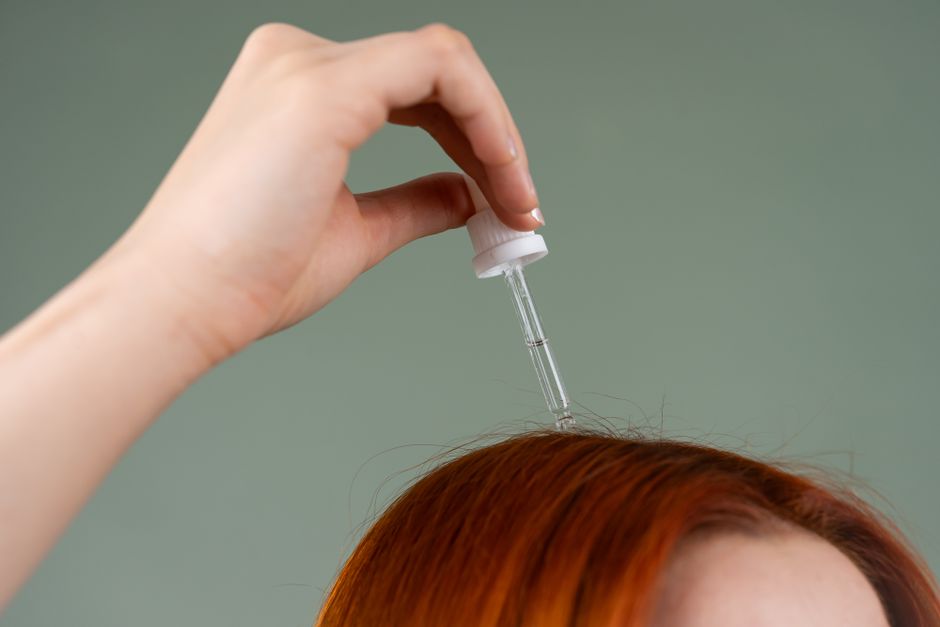
For topical treatment, minoxidil is the most studied over-the-counter option for certain types of hair loss. Whether it helps telogen effluvium specifically is less clear, because telogen effluvium usually resolves on its own. Some clinicians recommend it while waiting for recovery. It is not a guaranteed fix, and it works only while you use it.
Prescription options exist for pattern hair loss, but they are not the same thing as telogen effluvium, and they are not appropriate for everyone. Pregnancy and breastfeeding status changes what is safe. That conversation belongs with a clinician who knows your history.
What to avoid: stopping your GLP-1 medication abruptly without medical guidance. Uncontrolled blood sugar and other consequences of stopping treatment can be more serious than temporary hair shedding.
How Long Does GLP-1 Hair Loss Last?
Shedding from telogen effluvium typically runs for a few months after it starts, then tapers. New growth usually becomes noticeable over the following months.
The timeline depends on whether the trigger is still active. If you are still losing weight rapidly or still under-eating, shedding can continue. If the trigger has passed, the follicles cycle back into growth on their own schedule.
This is why the two-to-four-month delay matters so much. People often start shedding right when they feel their best — weight is coming down, energy is improving — and they assume the drug is attacking their hair. In reality, the shedding reflects a stress event that happened months earlier.
If shedding has not improved after six months, or if it is getting worse rather than better, that is a reason to see a clinician. Persistent shedding suggests an ongoing cause that has not been identified.
When Should You See A Doctor About Hair Loss?
See a clinician if the shedding is severe, if it has lasted more than six months, or if you notice patchy bald spots, scalp pain, or scaling. Those point to conditions other than telogen effluvium.
Also see someone if your part is widening or your hairline is receding. That pattern suggests androgenetic alopecia, which has different treatments and does not resolve on its own.
Bring your medication list, including supplements. Some prescription drugs and over-the-counter products are associated with hair loss, and a review can surface something you had not connected.
Finally, if you are considering stopping your GLP-1 medication because of hair concerns, talk to your prescriber first. There may be a better path — adjusting dose, slowing weight loss, or correcting a deficiency — that addresses the shedding without giving up the treatment.
Frequently Asked Questions
Does Ozempic cause hair loss in women?
Hair loss appears in prescribing information for some GLP-1 medications and has been reported by women taking them. The more likely driver is rapid weight loss and reduced food intake, which are well-known triggers for temporary shedding.
Is GLP-1 hair loss permanent?
No, telogen effluvium is self-limiting in most cases and hair typically returns once the trigger resolves. Recovery takes months because hair grows slowly, and it may not fully reverse if an ongoing cause remains.
What helps hair loss on GLP-1?
Getting enough protein, correcting any documented nutrient deficiency, and slowing rapid weight loss with your prescriber’s guidance are the main steps. Biotin without a confirmed deficiency has no good evidence behind it for this.
How long does hair loss from GLP-1 last?
Shedding usually runs for a few months after it begins, with regrowth becoming visible over the following months. If it has not improved after six months, that warrants a medical evaluation.
