
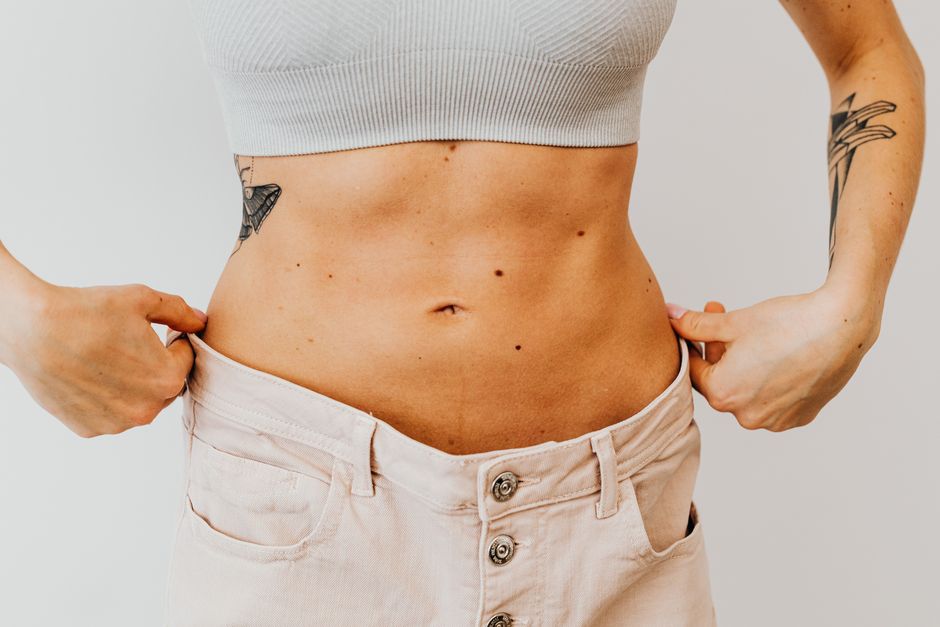
Loose skin after weight loss is one of the most common frustrations people face, and it is also one of the most misunderstood. The honest answer is that you cannot fully prevent it, because skin elasticity is shaped by genetics, age, how much weight you lose, and how long you carried it. What you can do is lose weight at a moderate pace, protect your skin’s collagen, and build muscle underneath — steps that may reduce how much loose skin you end up with.
This guide explains what actually drives skin laxity, which strategies have real evidence behind them, and which popular claims do not hold up.
Why Does Skin Become Loose After Weight Loss?
Skin is not a rubber band that snaps back on command. It is a living tissue made of collagen, elastin, and other structural proteins, and those fibers stretch to accommodate weight gain.
When you gain fat, the skin expands over months or years. The collagen and elastin fibers rearrange and, in many cases, sustain damage. When the fat underneath is lost, the skin is left with a stretched framework and less volume to fill it. How well it retracts depends on how much the fibers can recover.
Three factors matter most:
- How long the skin was stretched. Years of carrying extra weight give fibers more time to lose their recoil.
- How much weight was lost. Larger losses generally mean more residual skin.
- Individual biology. Age, genetics, and skin condition all play a role.
Age is a major variable. Collagen production declines naturally over time, and skin that was stretched in someone’s twenties tends to recover better than skin stretched in someone’s fifties. This is not a moral failing or a sign you did something wrong. It is biology.
Can You Actually Avoid Loose Skin While Losing Weight?
You can reduce your risk, but you cannot guarantee tight skin — and anyone who tells you otherwise is selling something. The strategies below are the ones with the most reasonable support.
Lose weight at a moderate pace
Rapid weight loss is one of the strongest predictors of loose skin. When weight comes off quickly, the skin has less time to adapt, and you also tend to lose more muscle mass along with fat. Slower loss — roughly one to two pounds per week for most adults — gives skin a better chance to keep pace.
This is general guidance, not a rigid rule. The right pace depends on your starting point and health status, and a doctor or dietitian can help you set a realistic target.
Strength train to build muscle
Muscle fills the space under your skin. If you lose fat without building muscle, that space stays empty and skin looks looser. Resistance training helps preserve and build lean mass, which can improve the appearance of the areas where you have lost fat.
This does not create new skin or repair damaged elastin. But it changes what is underneath, and that can make a visible difference.
Support collagen with adequate protein and nutrients
Collagen is a protein, and your body needs raw materials to make it. Eating enough protein supports skin and muscle maintenance during weight loss. Vitamin C is required for collagen synthesis, and deficiencies in it impair skin repair.
There is no strong evidence that eating collagen-rich foods or taking collagen supplements tightens loose skin after major weight loss. Some small studies suggest collagen supplements may improve skin elasticity and hydration modestly, but the results are not consistent, and none of these studies were designed to test loose skin after significant weight reduction.
Stay hydrated and protect your skin from the sun
Ultraviolet exposure breaks down collagen and elastin over time. Daily sun protection helps preserve the skin’s structural proteins, which is one of the few things you can do that has clear evidence behind it. Hydration supports skin barrier function, though drinking extra water does not “plump” loose skin in any meaningful way.
Does Collagen Supplementation Tighten Loose Skin?
The evidence here is limited and mixed. Some studies suggest collagen peptides may improve skin elasticity and moisture in certain populations, but the effects are generally modest, and the studies are short-term.
More importantly, none of these studies looked specifically at people who had lost large amounts of weight and were dealing with significant loose skin. So we cannot say collagen supplements will tighten loose skin after weight loss. We can say the evidence does not support that claim.
Collagen supplements are generally considered safe for most healthy adults, but they are not a treatment for skin laxity. If you choose to take one, understand that you are likely buying a modest skin-hydration effect at best, not a structural fix.





What About Creams, Firming Lotions, and Devices?
Over-the-counter firming creams do not tighten loose skin. They may temporarily hydrate the surface, which can make skin look slightly smoother for a few hours, but they cannot rebuild collagen or elastin in the deeper layers where laxity actually lives.
Some prescription topical retinoids have evidence for improving skin texture and fine lines over time. Whether they meaningfully improve loose skin after major weight loss is not well established, and they carry side effects like irritation and sun sensitivity.
At-home radiofrequency and microneedling devices have some evidence for mild skin tightening in small studies. Results are modest, temporary, and not well studied in the context of large weight loss. These are not substitutes for medical treatment when laxity is significant.
When Is Surgery the Only Real Option?
For significant loose skin, surgery is the only intervention with reliable, lasting results. Procedures like abdominoplasty, brachioplasty, and thigh lifts remove excess skin and reshape the underlying tissue.
This is not a cosmetic shortcut. For some people, loose skin causes skin infections, rashes, irritation, and physical discomfort that affect daily life. In those cases, surgery can be medically appropriate, not just aesthetic.
That said, surgery carries real risks: scarring, infection, fluid accumulation, changes in sensation, and the need for recovery time. It is also expensive, and insurance coverage varies widely depending on whether the procedure is classified as medically necessary.
Timing matters too. Many surgeons recommend waiting until your weight has been stable for a period before considering surgery, because further weight change can affect results. Ask your surgeon what they recommend for your situation.
Does Age Affect How Much Loose Skin You Get?
Yes, significantly. Collagen and elastin production declines with age, and skin loses thickness and elasticity over time. Someone who loses 100 pounds at 30 may have noticeably different skin recovery than someone who loses the same amount at 55.
This does not mean older adults cannot improve their situation. It means expectations should be realistic. Age is one factor among several, and it is not the only one that determines outcome.
Genetics also matter. Some people simply have skin that recovers better than others, and there is no cream or supplement that changes your genetic blueprint.
What Realistic Expectations Should You Have?
Some loose skin is likely if you lose a large amount of weight, especially if you carried it for years or are older. That is the honest picture.
What you can control:
- Pace of weight loss
- Muscle mass through strength training
- Protein and nutrient intake
- Sun protection
- Whether you pursue medical or surgical options
What you cannot control:
- Genetics
- Age-related collagen decline
- How long your skin was stretched
- How much weight you needed to lose
The goal is not perfect skin. It is doing what you reasonably can while accepting that some outcomes are not fully in your hands.
Frequently Asked Questions
Can loose skin from weight loss tighten on its own?
Some skin retraction can happen in the first year or two after weight loss, especially with moderate losses and younger age. Significant laxity after large weight loss often does not resolve on its own.
Does building muscle fill loose skin?
Building muscle can improve the appearance of areas where you have lost fat by filling the space beneath the skin. It does not repair damaged collagen or elastin, so it will not eliminate significant laxity.
How fast should I lose weight to avoid loose skin?
A pace of about one to two pounds per week is generally considered moderate for most adults and may reduce the risk of loose skin compared with rapid loss. Your ideal pace depends on your starting weight and health, so discuss it with a doctor or dietitian.
Is surgery the only way to remove loose skin?
For significant loose skin, surgery is the only intervention with reliable, lasting results. Creams, supplements, and at-home devices have not been shown to remove or substantially tighten loose skin after major weight loss.
