
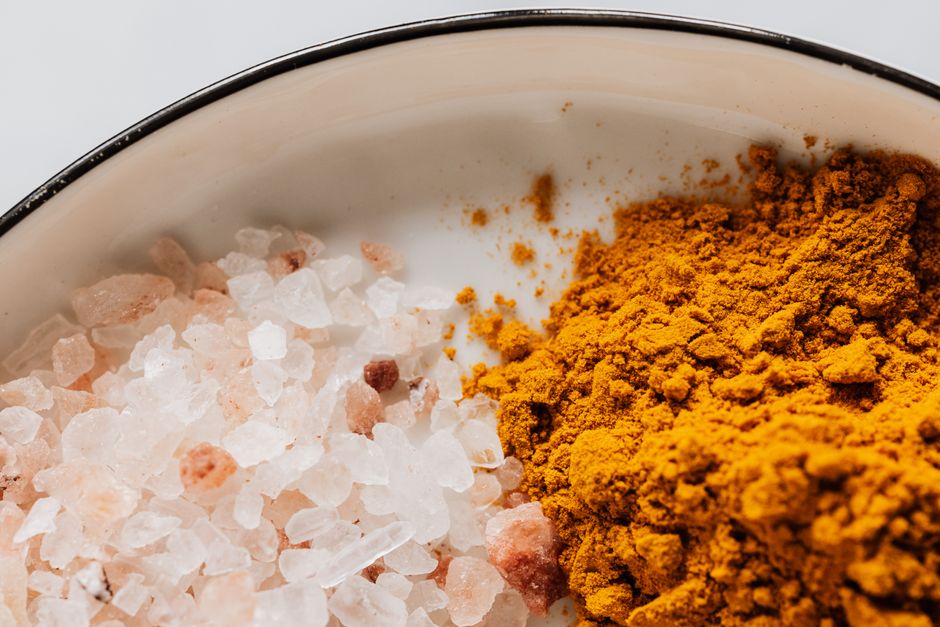
Turmeric can help with swelling, but the way most people use it at home will not produce noticeable results. The active compound curcumin has real anti-inflammatory effects, but your body absorbs it poorly. Research shows that turmeric supplements with added black pepper or fat-based delivery systems are far more effective than the spice in your kitchen cabinet. The limits are just as important as the benefits—understanding both will save you time and money.
What Causes Swelling and How Does Turmeric Interact With It?
Swelling is your body’s natural response to injury or irritation. When cells get damaged, your immune system sends fluid and white blood cells to the area. This process involves chemical signals called cytokines that tell your blood vessels to leak fluid into surrounding tissue.
Turmeric targets these signals at a molecular level. The curcumin in turmeric blocks several inflammatory pathways in your body. Research published in the journal Oncogene found that curcumin can inhibit NF-kB, a protein complex that controls inflammation-related genes. This is the same pathway that some prescription anti-inflammatory drugs target.
The problem is that your body treats curcumin like a foreign substance. It breaks down quickly in the liver and intestines. Less than one percent of what you swallow reaches your bloodstream. This is why the difference between eating turmeric in food and taking a well-formulated supplement is enormous.
Does Turmeric Help With Swelling Benefits And Limits in Real Studies?
Several clinical trials have tested turmeric for swelling-related conditions. A 2021 review in the Journal of Medicinal Food looked at 29 studies on curcumin for osteoarthritis. Most participants reported less pain and better joint function compared to placebo. The effect was modest but real.
Another study in Phytotherapy Research compared curcumin to ibuprofen in people with knee osteoarthritis. After four weeks, the curcumin group had similar pain reduction to the ibuprofen group. But the curcumin group had fewer stomach side effects. This is important because long-term NSAID use can damage your stomach lining.
The limits matter here. Most of these studies used high-dose extracts with bioavailability enhancers. The typical dose was 500 to 1000 milligrams of curcumin combined with piperine from black pepper. Piperine increases absorption by up to 2000 percent. Without it, you would need to eat pounds of raw turmeric to match what one capsule delivers.
What Is the Right Dosage for Swelling?
The effective dose for most adults is 500 to 1000 milligrams of curcumin extract taken two to three times per day. This is total curcumin content, not turmeric powder weight. Turmeric root is only about three percent curcumin by weight. One teaspoon of turmeric powder contains roughly 200 milligrams of curcumin. You would need five teaspoons per dose to reach an effective amount.
Look for supplements that list the curcumin content on the label. Many products say “turmeric root” but do not tell you how much curcumin is inside. These are usually weak. Standardized extracts with 95 percent curcuminoids are the most studied and reliable form.
Always take curcumin with food. Fat improves absorption because curcumin is fat-soluble. Black pepper extract or piperine should be listed in the ingredients. If it is not, the supplement is likely not optimized for absorption.
| Form of Turmeric | Curcumin Content | Absorption Rate | Effective for Swelling? |
|---|---|---|---|
| Raw turmeric root (1 tsp) | ~200 mg | Very low | Unlikely |
| Turmeric powder (1 tsp) | ~200 mg | Very low | Unlikely |
| Standardized extract (500 mg) | ~475 mg | Moderate | Possibly |
| Extract with piperine (500 mg) | ~475 mg | High | Yes |
| Liposomal curcumin (500 mg) | ~475 mg | Very high | Yes |




What Are the Side Effects and Who Should Avoid Turmeric?
Turmeric is safe for most people in food amounts. High-dose supplements are a different story. The most common side effects are stomach upset, nausea, and diarrhea. This happens because curcumin stimulates stomach acid production and can irritate the gut lining.
People with gallstones or bile duct problems should avoid turmeric supplements. Curcumin causes the gallbladder to contract, which can trigger pain or blockages. If you have a history of kidney stones, be cautious. Turmeric is high in oxalates, which can contribute to stone formation in susceptible people.
Blood thinners are a serious concern. Curcumin has mild anti-platelet effects. If you take warfarin, clopidogrel, or aspirin, talk to your doctor before starting turmeric supplements. The combination could increase bleeding risk. Surgery patients should stop turmeric supplements at least two weeks before any procedure.
Pregnant women should not take high-dose turmeric supplements. Small amounts in food are fine. The concern is that curcumin can stimulate uterine contractions at high doses. There is not enough safety data for breastfeeding mothers either.
Does Turmeric Help With Swelling Benefits And Limits Better Than NSAIDs?
For some people, turmeric is a reasonable alternative to NSAIDs for mild to moderate swelling. The evidence shows comparable effects for osteoarthritis pain. A meta-analysis in the Journal of Pain Research found that curcumin reduced pain scores by about the same amount as ibuprofen or diclofenac over eight weeks.
The advantage is safety. NSAIDs cause roughly 100,000 hospitalizations per year in the United States due to gastrointestinal bleeding. Turmeric does not carry that same risk. Long-term use of turmeric is not well studied beyond 12 months, but the available data does not show the same pattern of organ damage that NSAIDs cause.
The disadvantage is that turmeric takes longer to work. NSAIDs provide relief within hours. Turmeric builds up in your system over days to weeks. You cannot take it for acute pain from a sprained ankle and expect immediate results. It is better suited for chronic low-grade inflammation like arthritis or tendonitis.
Common Misconceptions About Turmeric and Swelling
Many people believe that drinking turmeric tea will fix inflammation. It will not. The amount of curcumin in a cup of tea is too small to produce measurable effects. You would need to drink dozens of cups per day to match a supplement dose. Tea is pleasant and hydrating, but it is not medicine.
Another myth is that turmeric works instantly. It does not. Curcumin has a half-life of about six to seven hours in the body. You need consistent daily dosing for at least one to two weeks before noticing changes in swelling. People who try it once and give up are not giving it a fair test.
Some marketers claim that turmeric can replace all anti-inflammatory drugs. This is false. Turmeric is not strong enough for serious inflammatory conditions like rheumatoid arthritis flares, gout attacks, or acute injuries. It may help as a complementary approach, but it is not a substitute for medical treatment in those situations.
What to Look for When Buying Turmeric Supplements
- Standardized to 95 percent curcuminoids — this ensures you get a consistent dose
- Contains piperine or black pepper extract — this boosts absorption
- Third-party tested for heavy metals — turmeric can absorb lead and cadmium from soil
- Listed curcumin content in milligrams — avoid products that only say “turmeric root”
- Free of unnecessary fillers like magnesium stearate or silicon dioxide
Cheap turmeric powders from grocery stores are not effective for swelling. They contain too little curcumin and no absorption enhancers. You are better off saving your money and buying a quality supplement if you want real results.
Frequently Asked Questions
How long does turmeric take to work for swelling?
Most people need one to two weeks of daily supplementation before noticing a difference. Acute swelling will not respond quickly.
Can I take turmeric with ibuprofen?
Taking both together increases bleeding risk and may irritate your stomach. Talk to your doctor before combining them.
Is turmeric better than ginger for inflammation?
Turmeric has stronger evidence for swelling in joints. Ginger works better for muscle soreness and nausea.
Does turmeric help with swelling from injury?
Turmeric is not strong enough for acute injury swelling. Ice, elevation, and NSAIDs are more effective in the first 48 hours.
