
Plasma donation is safe for most healthy adults when it is done at a licensed collection center that follows standard screening and sterilization rules. The process removes a portion of your blood plasma, separates it from your blood cells, and returns those cells to your body. Serious complications are uncommon, but they do happen, and the most frequent side effects are mild.
Donating plasma is not the same as donating whole blood. That difference matters for how your body responds and how often you can donate. Whole blood removes red blood cells that take weeks to rebuild. Plasma donation returns your red blood cells to you, so the main thing your body replaces is fluid and plasma proteins. That is why plasma centers allow much more frequent donations than blood banks do.
What Actually Happens During a Plasma Donation?
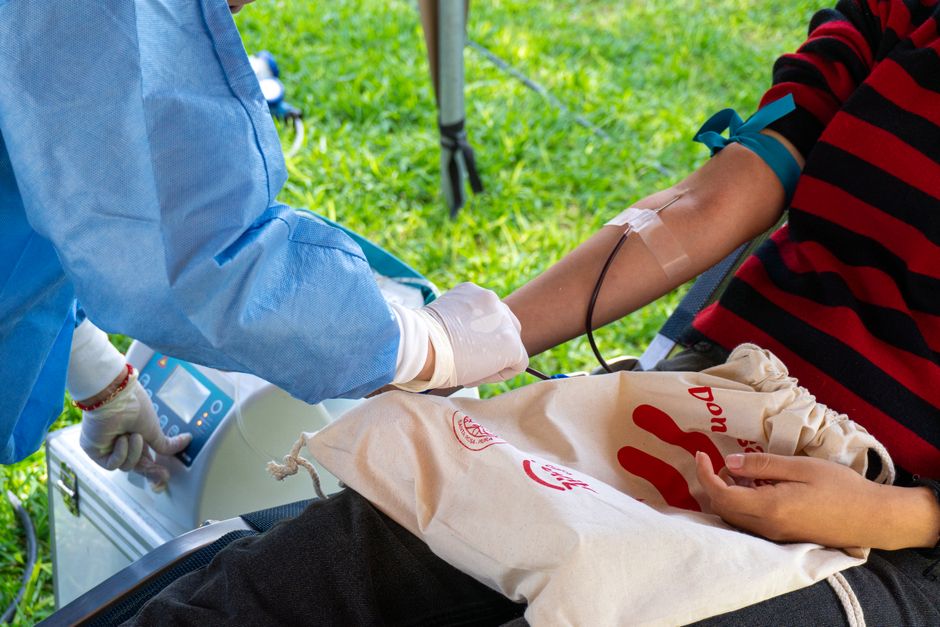
A machine draws blood from a vein in your arm, spins it to separate the plasma, and sends the red cells and platelets back to you in the same session. The plasma is collected while the rest of your blood returns. This cycle repeats several times over roughly an hour to ninety minutes.
The returned fluid is usually a saline solution or a similar replacement fluid. That is why you may feel cool or notice a metallic taste during the return phase. Both are common and temporary.
The needle stays in your arm the whole time. You sit or recline. Staff monitor you. If you feel faint, dizzy, or nauseated, tell them immediately. They can pause or stop the process.
One detail that surprises many first-time donors: the volume of plasma your body can spare is larger than most people expect, because plasma is mostly water. Your body can replace the fluid within about 24 to 48 hours, though the proteins take longer. This is also why staying hydrated before and after matters more than most people realize.
Is Plasma Donation Safe for Most People?
For healthy adults who meet eligibility criteria, the evidence supports plasma donation as a low-risk procedure. Collection centers follow federal regulations that govern how often you can donate, how much plasma can be taken, and what screening is required.
Eligibility screening exists for a reason. It protects you and the person who eventually receives your plasma. Centers check your health history, medications, travel, and risk factors for bloodborne infections.
People who are generally good candidates include:
- Adults in good general health who meet the center’s weight and age requirements
- People without certain chronic infections or recent high-risk exposures
- People not taking medications that disqualify donation
Some people should not donate. That includes anyone with certain active infections, some cancers, or specific heart conditions. The center’s screening exists to catch these cases. Answer their questions honestly. Hiding information does not make the process safer for you.
What Are the Most Common Side Effects?
Lightheadedness and dizziness are the most frequently reported reactions. They usually happen during or shortly after the draw and often relate to dehydration, skipping a meal, or standing up too quickly.
Other common effects include:
- Bruising or soreness at the needle site
- Feeling cold during the return phase
- Fatigue later that day
- A metallic taste in your mouth
- Mild nausea
These are typically short-lived. Most people feel normal within a few hours. If you drive, give yourself a few minutes to sit and have a snack before leaving.
A less common but more serious reaction is a vasovagal response, where your heart rate and blood pressure drop suddenly. This can cause fainting. Centers are trained to handle it, but fainting can lead to a fall and injury. That is the main reason staff watch donors closely.





Can Plasma Donation Cause Long-Term Problems?
There is no strong evidence that plasma donation causes lasting harm in healthy donors who follow the required rest periods between donations. The body replaces the fluid and proteins over time.
What the evidence does show is that frequent donation can lower certain protein levels temporarily, particularly immunoglobulin and albumin. This is why donation frequency is capped and why centers track your history. Donating more often than allowed is not a shortcut to more money. It is a way to put your own health at risk.
Some research suggests that very frequent plasma donation over long periods may affect protein levels and, in some cases, bone density. The findings are not uniform across studies, and the evidence here is mixed. If you donate regularly, mention it to your doctor so they have the full picture.
Iron levels are generally less of a concern with plasma donation than with whole blood donation, because plasma donation returns your red blood cells. That said, individual circumstances vary. A doctor can check your levels if you have concerns.
What Are the Risks of the Needle and the Procedure?
Needle-related risks are the most direct physical risks. They include bruising, nerve irritation, and in rare cases a hematoma, which is a collection of blood under the skin. Proper technique and trained staff reduce but do not eliminate these.
Infection at the needle site is possible but uncommon when the skin is properly cleaned and the site is cared for afterward. Keep the bandage on as instructed and keep the area clean.
Citrate is used in the collection process to keep blood from clotting in the tubing. Some donors feel tingling around the mouth or in the fingers from the citrate. This is usually mild. Tell staff if it happens, because they can adjust the process.
How Do You Reduce Your Risk?
Most of what keeps you safe is simple and within your control. Hydration and food are the two biggest factors.
Drink water before you go. Eat a meal with some protein and salt a few hours before donating. Avoid alcohol the day of your donation. Skip strenuous exercise right before and right after.
Be honest during screening. If you feel unwell, reschedule. If you are taking a new medication, tell them.
After donating, rest for a few minutes, eat the snack they offer, and avoid heavy lifting or intense activity for the rest of the day. If you feel dizzy, sit or lie down rather than trying to push through it.
Is Plasma Donation Safe Compared to Whole Blood Donation?
Both are considered safe for eligible donors. The key difference is what your body loses and how fast it recovers.
| Factor | Plasma donation | Whole blood donation |
|---|---|---|
| What is removed | Plasma only; cells returned | Whole blood, including red cells |
| Typical session length | About 1 to 1.5 hours | About 10 minutes for the draw |
| Main recovery need | Fluid and plasma proteins | Red blood cells and iron |
| Common side effects | Dizziness, cold feeling, bruising | Fatigue, dizziness, bruising |
The plasma process takes longer because it cycles blood in and out. It also tends to cause more citrate-related sensations. Whole blood donation is faster but requires longer spacing between donations because of red cell recovery.
Neither is riskier in a general sense. The right choice depends on your health, your goals, and what the collection center allows.
When Should You Talk to a Doctor First?
Talk to your doctor before donating if you have a chronic condition, take prescription medication, are pregnant or breastfeeding, or have fainted during a previous donation. No clinical guidelines currently exist for plasma donation during pregnancy or breastfeeding, so this is a case where you need individual medical advice rather than a general rule.
Also check with a doctor if you have a bleeding disorder, a history of heart problems, or you are unsure whether your medication disqualifies you. The center will screen you, but your doctor knows your history best.
If you feel unwell for more than a day after donating, or you notice swelling, numbness, or signs of infection at the needle site, get medical care.
Frequently Asked Questions
Is plasma donation safe?
Yes, plasma donation is safe for most healthy adults when done at a licensed center that follows federal screening and safety rules. Serious complications are uncommon, though mild side effects like dizziness and bruising do occur.
How often can you safely donate plasma?
Federal rules limit plasma donation frequency, and most centers require at least a day between donations and cap how many you can do in a set period. Follow your center’s schedule rather than donating more often, since exceeding limits can affect your protein levels.
What are the side effects of donating plasma?
The most common side effects are dizziness, lightheadedness, bruising at the needle site, and feeling cold during the return phase. These are usually mild and pass within a few hours.
Can plasma donation harm you long-term?
There is no strong evidence that plasma donation causes lasting harm in healthy donors who follow the required rest periods. Some research suggests very frequent donation may affect protein levels, but the findings are mixed.
