
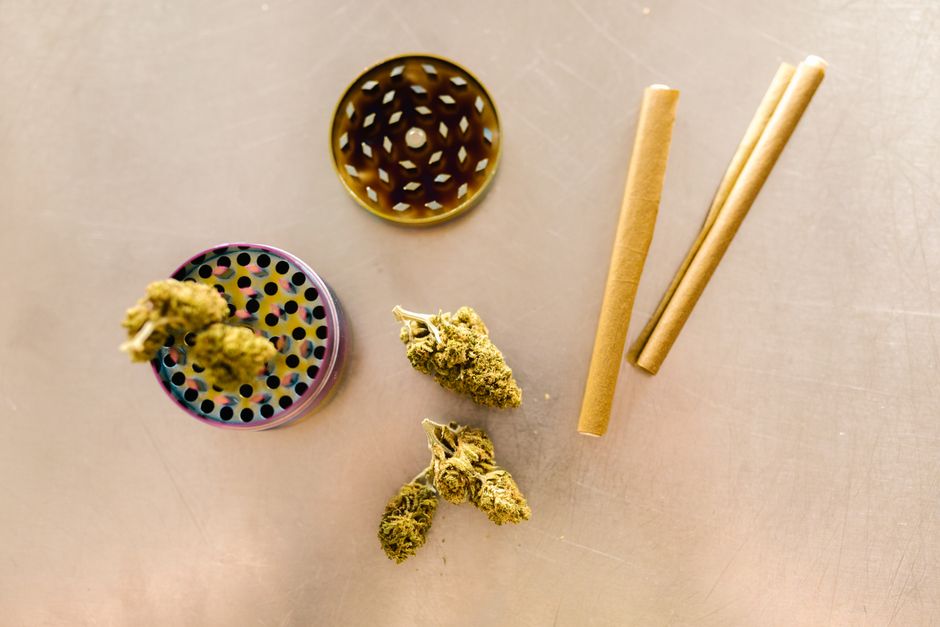
Industrial hemp is a variety of the Cannabis sativa plant grown for its fiber, seeds, and oil rather than for its psychoactive effects. It contains only trace amounts of THC, the compound that causes a high, and is legally defined in the United States as cannabis with no more than 0.3% THC on a dry weight basis. Its uses stretch from rope and textiles to seed-based foods and building materials, and its benefits are best understood by separating what research supports from what marketing claims.
What Is Industrial Hemp Uses Benefits And Facts?
Industrial hemp is the same plant species as marijuana, Cannabis sativa, but it is a different legal and agricultural category. The distinction rests on THC content, not on the plant’s appearance or genetic origin alone. Hemp is bred and managed to keep THC low while maximizing fiber, seed yield, or oil.
This matters because the two plants are often confused. Marijuana is cultivated for high THC. Hemp is cultivated for industrial and nutritional output. A hemp plant grown for fiber can look tall and stalky, while one grown for seed is bushier and produces more flowers and seeds.
The 2018 Farm Bill removed hemp from the Controlled Substances Act and created a federal framework for its cultivation in the US. That change opened the door to a fast-growing market in hemp-derived products, including CBD. Not everything sold as hemp is the same, and not every claim attached to it holds up.
What the plant actually contains
Hemp fiber comes from the stalk. The outer part, called bast fiber, is long and strong and used in textiles, rope, and composites. The inner woody core, called hurd, is used in animal bedding, construction materials, and some plastics.
Hemp seeds are nutrient-dense. They contain protein, fiber, and a favorable ratio of omega-6 to omega-3 fatty acids. Hemp seed oil is pressed from the seeds and is used in food and cosmetics. It does not contain meaningful THC.
Hemp flowers and leaves contain cannabinoids, including CBD and trace THC. This is the part of the plant that drives most of the current consumer market, and also the part where claims most often outrun evidence.
Is Hemp the Same as Marijuana?
No. Hemp and marijuana are the same species but different legal and chemical categories. The dividing line in US law is 0.3% THC by dry weight. Above that threshold, cannabis is regulated as marijuana under federal law. At or below it, cannabis is classified as hemp.
This threshold is a legal definition, not a biological one. A plant’s THC level depends on genetics, growing conditions, harvest timing, and how it is processed. Two plants from the same seed lot can test differently.
It is also worth knowing that 0.3% is not zero. Hemp can contain small amounts of THC, and products made from hemp flowers can accumulate enough THC to matter, especially if they are concentrated. Some people have tested positive on drug screens after using hemp-derived products. That is a real risk, not a scare tactic.
CBD is a separate compound from THC. CBD does not produce a high. But CBD products sold as “hemp” vary widely in actual content, and independent testing has repeatedly found that labels do not always match what is in the bottle.
What Are the Established Uses of Industrial Hemp?
The most established uses of hemp are industrial and nutritional, not medical. Fiber, seed, and oil have long histories of use that do not depend on any health claim.
- Textiles and rope: Bast fiber is strong and durable and has been used for cordage and fabric for centuries.
- Building materials: Hemp hurd is used in hempcrete, insulation, and composite panels. These are real products with real performance characteristics, though they are not a drop-in replacement for concrete in every application.
- Animal bedding and mulch: The woody core absorbs moisture well and is widely used in these markets.
- Food: Hemp seeds and hearts are eaten whole or ground. They contain protein, fiber, and unsaturated fats.
- Cosmetics: Hemp seed oil is a common ingredient in skin and hair products, mainly as an emollient.
Nutritionally, hemp seed is a legitimate food. It provides protein that contains all nine essential amino acids, though the amount per serving is moderate compared to some other protein sources. It is also a source of magnesium, phosphorus, and manganese. These are standard nutritional facts, not marketing.




What Does the Evidence Say About Hemp and CBD for Health?
The evidence is strong for one specific CBD use and much weaker for most others. This is where honesty matters most, because the gap between what is proven and what is sold is wide.
The best-established medical use of CBD is in certain severe childhood epilepsy syndromes. A prescription CBD product has been shown in controlled trials to reduce seizure frequency in specific treatment-resistant forms of epilepsy. This is a narrow, medically supervised use, not a general wellness claim.
For other conditions, the picture is more mixed. Some studies suggest CBD may help with anxiety symptoms, but trial sizes are often small and results vary. Evidence for sleep is limited. Evidence for pain is mixed and depends heavily on the type of pain and the product used.
It is important to separate CBD from other hemp compounds. Claims about “full-spectrum” hemp, CBG, CBN, and other minor cannabinoids are largely ahead of the science. No large human trials have confirmed most of these benefits. That does not mean they are false. It means the evidence does not yet exist to state them as fact.
One non-obvious point: a substance can have a plausible biological mechanism and still fail to produce a clinical benefit. CBD interacts with the body’s endocannabinoid system, which is real and well studied. But mechanism alone does not prove that a product treats a condition. Those are two different questions.
Is Hemp Safe?
Hemp foods are generally regarded as safe for most people, and hemp seed has a long history of dietary use. CBD is a different matter and deserves more caution.
CBD can interact with prescription medications. It affects some of the same liver enzymes that process many common drugs, which can change how those drugs behave in the body. This is not a minor detail. Anyone taking prescription medication, especially blood thinners or seizure medications, should talk to a clinician before using CBD.
CBD can also cause side effects. In controlled trials, reported effects have included drowsiness, decreased appetite, diarrhea, and elevated liver enzymes. These were observed at specific doses under medical supervision, so they may not apply equally to consumer products at unknown doses.
Hemp-derived products are not tightly regulated the way pharmaceuticals are. Independent testing has found that some products contain less CBD than labeled, some contain more, and some contain THC or contaminants. Quality varies by manufacturer and batch.
For pregnancy and breastfeeding, the honest position is that no clinical guidelines currently exist establishing safe use of CBD. The same caution applies to children outside of prescribed medical use. This is not a case where “natural” means “automatically safe.”
Hemp vs. Marijuana vs. CBD: A Quick Comparison
| Feature | Industrial Hemp | Marijuana | CBD Product |
|---|---|---|---|
| THC content | 0.3% or less (US legal limit) | Typically much higher | Varies; should be low or zero |
| Primary use | Fiber, seed, oil, building | Recreational and medical | Varies; one FDA-approved use |
| Produces a high | No, at legal THC levels | Yes | No, if THC-free |
| Federal status (US) | Legal to grow under license | Regulated; varies by state | Regulated; varies by product |
The table simplifies a messy landscape. State laws differ, product quality differs, and the same word on a label can mean different things from one seller to the next.
What Should You Watch Out For?
The biggest risk with hemp products is not the plant itself. It is the gap between what a label claims and what the product contains, and between what is advertised and what research supports.
Watch for claims that a product treats or cures a specific disease. That is a sign the seller is going beyond the evidence. Watch for vague phrases like “supports the immune system” with no study behind them. Watch for products that do not list a third-party test result.
If you take prescription medication, check with a clinician before adding CBD. If you are pregnant, breastfeeding, or considering a product for a child, the evidence base is thin to absent, and that should shape your decision.
For hemp foods like seeds and hearts, the picture is simpler. They are a reasonable addition to a balanced diet. They are not a miracle food, and no single food is.
Hemp is a genuinely useful plant with real industrial and nutritional value. The medical side is narrower than the marketing suggests. Knowing which is which is the whole point.
Frequently Asked Questions
Does hemp get you high?
No, industrial hemp contains no more than 0.3% THC by dry weight under US law, which is far too little to produce a high. However, concentrated hemp-derived products can sometimes contain enough THC to cause effects or trigger a positive drug test.
What is the difference between hemp and CBD?
Hemp is the plant, while CBD is one compound that can be extracted from it. Hemp also produces fiber, seeds, and oil, so CBD is just one of many outputs from the same crop.
Is CBD from hemp proven to help with anxiety or pain?
The evidence is mixed and limited for both, with many studies being small or inconsistent. The strongest proven medical use of CBD is for certain severe childhood epilepsy syndromes under medical supervision.
Can you fail a drug test from using hemp products?
Yes, it is possible, because hemp can contain trace THC and some products contain more than the label states. The risk is higher with concentrated or full-spectrum products than with hemp seed foods.
