
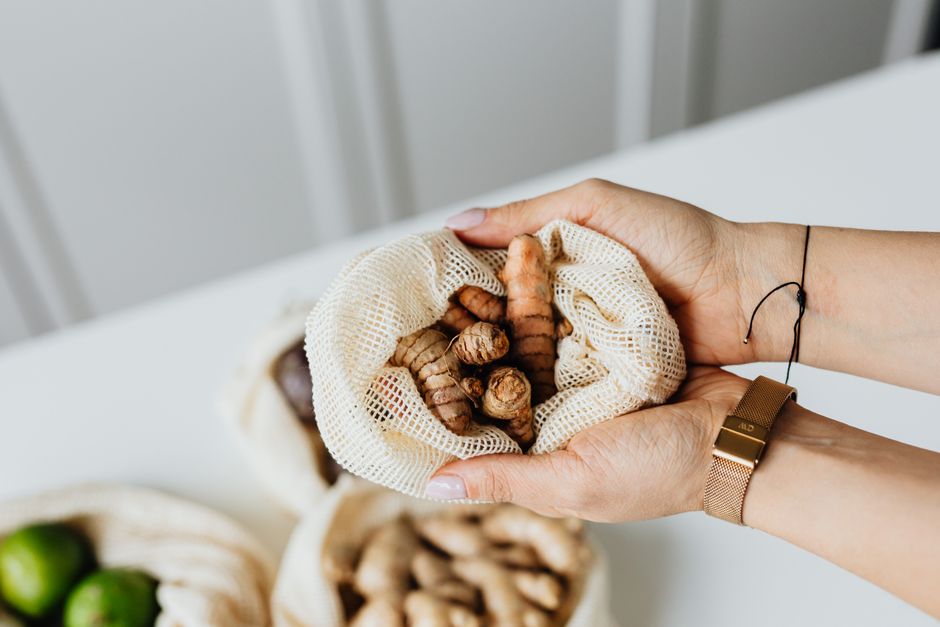
Turmeric root is a fresh rhizome, and like ginger, it spoils faster than most people expect. To keep it for months rather than days, you can freeze it, dry it into powder, or store it in a cool dark place for short-term use. Each method trades off flavor, texture, and convenience differently, so the best choice depends on how you plan to cook with it.
How Long Does Fresh Turmeric Root Last?
Fresh turmeric keeps for about one to two weeks in the refrigerator and only a few days at room temperature. The root is a living plant tissue with high moisture content, which makes it vulnerable to mold, shriveling, and sprouting.
How you store it changes that timeline. A whole, unpeeled rhizome holds moisture longer than a cut piece. Once you slice or grate it, the exposed surface dries out and becomes a landing spot for mold within days. If you buy turmeric in a large bag because it was cheaper by weight, plan for the fact that most of it will not survive two weeks on the counter.
Signs it has gone bad include soft or mushy spots, a dull surface, visible fuzz, or a sour smell. A little surface drying is normal and does not mean the root is spoiled. Mold is different and means you should discard that piece.
How Do You Store Fresh Turmeric Root in the Refrigerator?
Refrigeration is the simplest short-term option and works well if you will use the root within a couple of weeks. The key is managing moisture, since too much causes mold and too little causes shriveling.
- Leave the skin on. Peeling removes a protective layer and speeds spoilage.
- Wrap the root loosely in a paper towel, then place it in a paper bag or a loosely closed plastic bag.
- Store it in the crisper drawer, which tends to have higher humidity than the rest of the fridge.
- Check weekly and remove any piece that shows mold so it does not spread.
A paper towel helps absorb excess condensation. If you seal turmeric in a tightly closed plastic bag with no barrier, trapped moisture often leads to mold within a week. Some people store the root in a jar of water in the fridge, changing the water every few days, but this is not a reliable long-term method and the water can encourage bacterial growth if not changed often.
Does Freezing Turmeric Root Work for Long-Term Storage?
Freezing is the most effective way to keep turmeric root for many months while preserving most of its color and flavor. Cold temperatures halt the microbial growth that spoils fresh root, and the rhizome’s texture holds up reasonably well for cooking even though it softens.
You have a few options, and the right one depends on how you cook:
- Whole frozen root: Wrap unpeeled pieces tightly and freeze. Grate or slice directly from frozen when needed. No thawing required.
- Peeled and chopped: Peel, cut into coins or chunks, and freeze in a single layer before transferring to a bag. This keeps pieces from clumping.
- Grated paste: Grate the root, pack it into ice cube trays, and freeze. Pop out cubes and store them in a sealed bag.
Frozen turmeric keeps well for several months. Over longer periods, flavor and aroma gradually decline even though the root remains safe to eat. Label the bag with the date so you are not guessing a year later.
One practical note: turmeric stains. It leaves a bright yellow mark on hands, cutting boards, and plastic containers. Wear gloves if staining bothers you, and use glass or a dedicated tray rather than a light-colored plastic one.




How Do You Dry Turmeric Root Into Powder?
Drying is the classic method for turning fresh turmeric into a shelf-stable powder that lasts far longer than the fresh root. The trade-off is that drying and grinding changes the flavor and reduces some of the volatile compounds responsible for the fresh, peppery bite.
The process is straightforward:
- Wash the roots and boil them for about 30 to 45 minutes. This step is traditional in many turmeric-growing regions and helps reduce the raw, bitter edge.
- Slice the cooked roots thinly and dry them completely. You can use a food dehydrator, an oven on its lowest setting with the door slightly open, or sun-drying in a warm, dry climate.
- The slices are ready when they snap rather than bend. Any remaining moisture will cause the powder to mold.
- Grind the dried slices in a spice grinder or blender and store the powder in an airtight container away from light and heat.
Properly dried and stored turmeric powder keeps for roughly one to two years, though its aroma fades over time. The boiling step is not strictly required, but skipping it produces a more bitter powder. If you live in a humid climate, sun-drying is unreliable and a dehydrator or low oven is a better choice.
Which Storage Method Should You Choose?
The right method depends on how soon you will use the root and in what form. There is no single best answer, only the one that matches your cooking.
| Method | Typical Storage Time | Best For |
|---|---|---|
| Room temperature | A few days | Root you will use immediately |
| Refrigerator | 1 to 2 weeks | Short-term fresh use |
| Freezer | Several months | Keeping fresh texture and color |
| Dried and ground | 1 to 2 years | Pantry staple, easy measuring |
Many households use a combination. Keep a small piece in the fridge for the next week or two, and freeze or dry the rest. That way you are not forced to use a large quantity before it spoils.
Does the Form of Turmeric Change What It Does in Your Body?
Fresh root, dried powder, and concentrated supplements are not equivalent, and it is worth being clear about what the evidence does and does not show.
Turmeric contains compounds called curcuminoids, with curcumin being the most studied. Curcumin is poorly absorbed on its own, and the amount in a spoonful of culinary turmeric is small compared with the concentrated doses used in most clinical research. Black pepper contains piperine, which some studies indicate can increase curcumin absorption, which is why many supplements combine the two. Whether that translates into meaningful health effects from everyday cooking is not established.
What is well established is that turmeric is a safe culinary spice used in normal food amounts. What is not established is that eating turmeric, in any form, treats or prevents specific diseases. Many laboratory and some human studies have looked at curcumin, but results are mixed and the evidence is not strong enough to make health claims. If you are considering a turmeric or curcumin supplement, especially at high doses, talk with a clinician first, since supplements can interact with medications and are not tightly regulated in the same way as drugs.
For preservation purposes, the practical takeaway is simple: the form you choose mainly affects flavor, convenience, and shelf life, not a proven health benefit.
Frequently Asked Questions
Can you freeze fresh turmeric root whole?
Yes. Wrap whole unpeeled pieces tightly and freeze them, then grate or slice directly from frozen. It keeps for several months with only minor loss of flavor over time.
How do you know when turmeric root has gone bad?
Look for soft or mushy spots, visible mold, or a sour smell. A little surface drying is normal, but mold means you should throw that piece out.
Does dried turmeric powder last longer than fresh root?
Yes. Properly dried and stored powder keeps for about one to two years, far longer than fresh root, though its aroma fades with time.
Do you need to peel turmeric before storing it?
No. Leaving the skin on helps the root stay fresh longer, whether you refrigerate or freeze it. Peel only right before you use it.
