
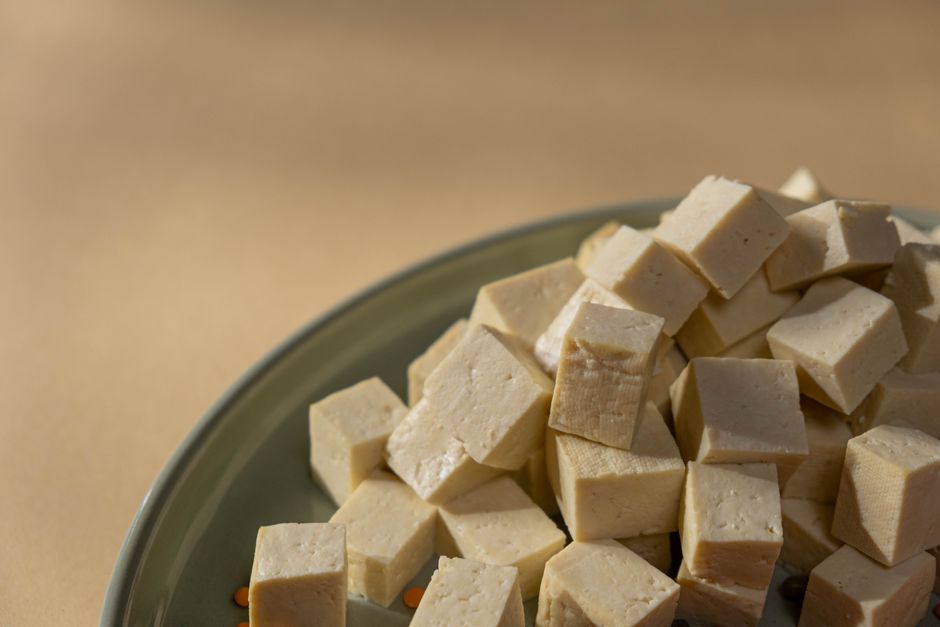
Yes, tofu is safe to eat during pregnancy when it is handled and prepared properly. It is a complete protein that contains folate, iron, calcium, and choline — nutrients that matter a lot during pregnancy. The main things to watch are food safety (pasteurized, cooked, refrigerated) and not letting tofu crowd out other protein sources in your diet.
Is Tofu Safe During Pregnancy Risks And Benefits?
Tofu is made from soybeans and is considered safe in pregnancy by major health authorities, including the USDA and the American College of Obstetricians and Gynecologists. The concern most people bring up is soy isoflavones — plant compounds that weakly mimic estrogen. At normal dietary amounts, research has not shown these compounds to be harmful in pregnancy.
The bigger practical risks are not about soy itself. They are about food safety. Tofu is a moist, protein-rich food, which makes it a good environment for bacteria if it is left out or undercooked. Pregnant women are more vulnerable to foodborne illness because immune function shifts during pregnancy to tolerate the fetus. That means listeria and other pathogens can cause more serious illness than they would in a non-pregnant person.
Benefits are straightforward. A half-cup serving of firm tofu made with calcium sulfate provides roughly 10 grams of protein, along with meaningful amounts of calcium, iron, and manganese. It also contains folate, which is critical in early pregnancy for neural tube development. For vegetarians and vegans, tofu is often one of the most reliable protein sources available.
How Much Tofu Can You Eat While Pregnant?
There is no official upper limit specifically for tofu in pregnancy. General guidance for soy foods in pregnancy suggests moderate intake — roughly one to two servings per day — is reasonable for most women. One serving is about half a cup of tofu.
That said, “moderate” is doing real work in that sentence. The evidence on very high soy intake during pregnancy is limited. Some studies have looked at populations with high soy consumption, such as in parts of Asia, and have not found clear harm. But those studies are observational and cannot prove cause and effect either way.
A reasonable approach is to treat tofu as one protein source among several. Eggs, fish low in mercury, poultry, legumes, and dairy all have a place. Rotating proteins gives you a wider range of nutrients and reduces reliance on any single food.
What Are the Nutritional Benefits of Tofu in Pregnancy?
Tofu delivers several nutrients that are specifically important during pregnancy. The exact amounts vary by brand and by the coagulant used to set the tofu, so check labels when you can.
- Protein: About 10 grams per half-cup of firm tofu. Protein needs rise during pregnancy to support fetal growth and maternal tissue expansion.
- Folate: Needed for neural tube development, especially in the first trimester. Tofu contributes, though it should not be your only source.
- Iron: Pregnancy increases iron needs substantially. Plant iron is absorbed less efficiently than animal iron, but vitamin C eaten at the same meal improves absorption.
- Calcium: Tofu set with calcium sulfate is a good calcium source. Tofu set with magnesium chloride (nigari) contains less.
- Choline: Supports fetal brain development. Many prenatal diets fall short on choline, and tofu contributes some.
One detail worth knowing: the calcium content of tofu depends heavily on how it was made. If calcium is a priority for you, look for “calcium sulfate” on the ingredient list. That is not a marketing claim — it is a real nutritional difference between products.


Does Soy Affect Hormones or Fetal Development?
Soy isoflavones are phytoestrogens, meaning they can bind weakly to estrogen receptors in the body. This is the basis for most of the worry about soy in pregnancy. But binding weakly is not the same as acting like estrogen in a meaningful way. Phytoestrogens are far less potent than the body’s own estrogen, and they can actually block stronger estrogen signals in some tissues.
Research on soy in pregnancy has not shown harm to fetal development at typical dietary intakes. Some studies have looked at soy intake and birth outcomes, and results have generally not raised red flags. That said, the evidence is not airtight. Most studies are observational, and measuring diet accurately over nine months is genuinely hard.
The honest position: moderate soy intake from foods like tofu, edamame, and tempeh is considered safe. High-dose soy isoflavone supplements are a different question. Those are concentrated and not the same as eating tofu. There is no strong evidence that they are safe in pregnancy, and they are generally not recommended.
How Do You Handle and Cook Tofu Safely?
Food safety is where tofu in pregnancy actually carries risk. Tofu is perishable and can support bacterial growth if mishandled. Listeria is the pathogen of greatest concern in pregnancy because it can cross the placenta.
Basic handling rules reduce the risk substantially:
- Buy tofu that has been refrigerated, not stored at room temperature.
- Keep it refrigerated at home and use it within the time frame on the package, or sooner once opened.
- Cook tofu thoroughly before eating. Heat kills listeria and other bacteria.
- Avoid raw or lightly warmed tofu in cold dishes unless you are confident it was handled safely and is fresh.
- Wash hands, cutting boards, and utensils after handling raw tofu, the same way you would with raw meat.
- Skip tofu from salad bars, buffets, or anywhere it has been sitting out.
If you are craving a cold tofu dish, consider whether the tofu was cooked and cooled under safe conditions. When in doubt, cook it. Firm tofu holds up well in stir-fries, soups, and scrambles, and cooking also improves its texture for many people.
Are There Any Risks or People Who Should Limit Tofu?
For most pregnant women, tofu does not pose a specific risk beyond general food safety. There are a few situations where it deserves more thought.
If you have a soy allergy, avoid tofu entirely — that is a true allergy, not an intolerance, and reactions can be serious. If you have thyroid disease, particularly Hashimoto’s or hypothyroidism, talk to your doctor about soy intake. Soy can interfere with thyroid hormone absorption and, in some people with existing thyroid conditions, may affect thyroid function. This is a conversation to have with your clinician rather than something to figure out alone.
If you are on thyroid medication, timing matters. Taking levothyroxine at the same time as soy foods can reduce absorption. Separating them by several hours is common clinical advice, though you should confirm the specifics with your prescriber.
There is also the question of GMO soy. Most soy grown in the US is genetically modified. The scientific consensus, including from the World Health Organization and the National Academies of Sciences, is that approved GM foods are not more risky than conventional counterparts. If you prefer non-GMO tofu, that is a personal choice, not a safety requirement.
Is Tofu Safe During Pregnancy Risks And Benefits — What to Remember
Tofu is a safe, nutrient-dense protein for most pregnant women. It provides protein, folate, iron, calcium, and choline, which are all valuable during pregnancy. The real risks are food safety risks, not soy risks, and they are manageable with proper refrigeration and cooking.
Moderation is reasonable. There is no established upper limit for tofu in pregnancy, but one to two servings a day fits within general guidance for soy foods. High-dose isoflavone supplements are a different category and are not recommended during pregnancy.
If you have a soy allergy or thyroid condition, talk to your doctor before making tofu a regular part of your diet. For everyone else, tofu can be a useful and safe addition to a balanced pregnancy diet.
Frequently Asked Questions
Is tofu safe to eat during pregnancy?
Yes, tofu is considered safe during pregnancy when it is properly refrigerated and cooked. Major health authorities do not list tofu as a food to avoid, though food safety handling matters more than the soy itself.
How much tofu can I eat while pregnant?
General guidance suggests one to two servings per day is reasonable, with one serving being about half a cup. There is no official upper limit specifically for tofu in pregnancy.
Can tofu cause miscarriage or harm the baby?
No evidence shows that moderate tofu intake causes miscarriage or harms fetal development. Studies on soy in pregnancy have not found clear harm at typical dietary amounts.
Should I avoid soy isoflavone supplements during pregnancy?
Yes, soy isoflavone supplements are concentrated and are generally not recommended during pregnancy. They are not the same as eating tofu, and their safety in pregnancy has not been established.
