
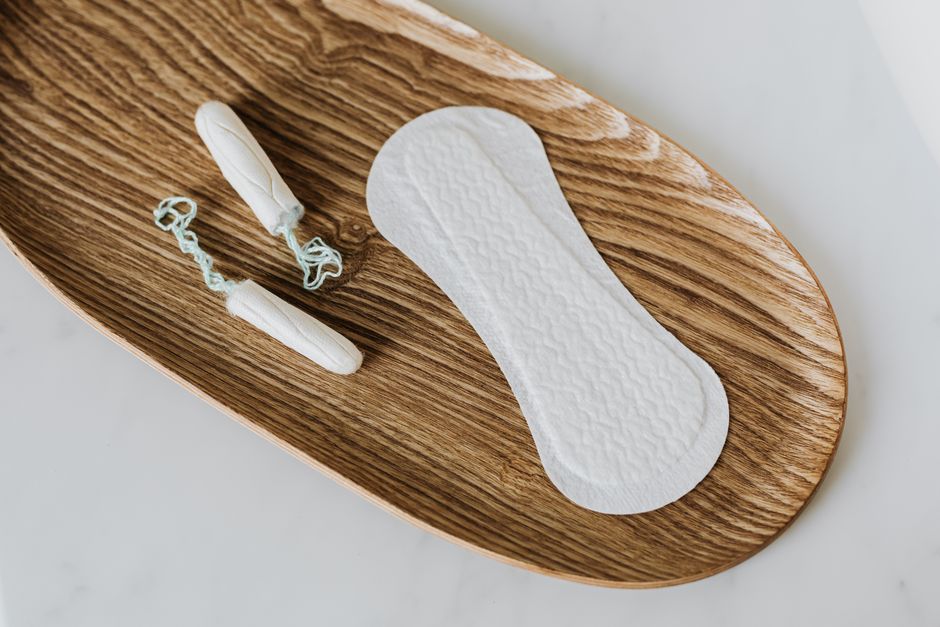
Many people who get menstrual cramps wonder if their tampon is making the pain worse. The short answer is no — tampons do not cause or worsen menstrual cramps. Cramps come from the uterus contracting, not from the tampon itself. However, some people feel more discomfort while wearing a tampon, and that sensation can be confused with cramping. Research has not found a link between tampon use and increased cramp severity.
Where Do Menstrual Cramps Actually Come From?
Menstrual cramps, also called dysmenorrhea, start inside the uterus. The uterine lining produces hormone-like chemicals called prostaglandins. These chemicals make the uterine muscle contract to help shed the lining. Stronger contractions mean less blood flow to the uterus, which causes pain.
This process happens whether you use a tampon, a pad, a cup, or nothing at all. The cramping is driven by hormones and muscle activity, not by anything inserted into the vagina. A tampon sits in the vaginal canal, which is separate from the uterus. It cannot reach the cervix or the uterus itself.
Some research suggests that people with heavier periods tend to have higher prostaglandin levels and more painful cramps. That connection is about the period itself, not the menstrual product you choose.
Why Some People Feel Worse With a Tampon
Even though tampons do not cause cramps, some people report more discomfort during tampon use. There are a few possible reasons for this.
One is simply awareness. When you are already in pain, you may notice the tampon more. The vaginal canal is sensitive, and a tampon can create a feeling of fullness or pressure that your brain interprets as pain.
Another possibility is that inserting or removing a tampon can be uncomfortable if the vaginal tissues are dry or irritated. Some people also have a condition called vaginismus, where the pelvic floor muscles tighten involuntarily. Inserting anything can be painful in that case. This pain is not cramping, but it can feel similar.
It is also worth noting that a tampon that is inserted too high or at the wrong angle can press against the cervix. This can cause a sharp, cramp-like sensation in some people. Repositioning or removing the tampon usually resolves this quickly.
What Research Says About Tampons and Cramps
Clinical studies have not found evidence that tampons make cramps worse. Research on menstrual products focuses mostly on safety, absorbency, and infection risk, not on pain levels. When studies do measure pain, they typically find no difference in cramp severity between tampon users and pad users.
Some older studies examined whether tampons could block menstrual flow and cause the uterus to contract harder. That theory has not been supported by evidence. The cervix is not blocked by a tampon — the tampon sits below the cervix in the vaginal canal. Menstrual fluid can still pass around the tampon.
One area where research is more active is toxic shock syndrome, a rare but serious bacterial infection linked to tampon use. This condition can cause severe symptoms, including abdominal pain. But TSS is not the same as normal menstrual cramps, and it is extremely rare. Following the tampon package instructions about absorbency and wear time reduces the risk.





Could the Tampon Be Making You Feel Crampy? Other Possibilities
If you feel cramping that seems linked to your tampon, consider a few other explanations before blaming the product itself.
Endometriosis can cause severe pelvic pain that feels different from typical cramps. Some people with endometriosis report that any vaginal pressure, including from a tampon, increases their pain. If your pain is unusually severe or lasts beyond your period, this is worth discussing with a clinician.
Pelvic inflammatory disease, or PID, is an infection of the reproductive organs. It can cause pelvic pain that worsens with pressure. Tampon insertion might make this pain more noticeable, but the tampon is not the cause.
An ovarian cyst can also cause pelvic pain that comes and goes. The timing might overlap with your period and with tampon use, creating the impression of a link that is not really there.
If you have new, severe, or worsening pelvic pain, that deserves medical attention regardless of what menstrual product you use.
Does Tampon Size or Absorbency Matter?
Tampons come in different absorbency levels, from light to super plus. Using a higher absorbency tampon than you need does not cause cramps, but it can increase the risk of vaginal dryness and irritation. Dry vaginal tissue can make insertion and removal more painful.
Choosing the lowest absorbency that handles your flow is generally recommended. This is also the guidance given to reduce toxic shock syndrome risk. If you need to change a super absorbency tampon every hour, that is a sign of heavy bleeding and worth a medical discussion.
Some people find that tampons with applicators are easier to insert correctly. A properly placed tampon should not be felt at all. If you can feel it, it may not be inserted far enough. This can cause pressure against the vaginal opening, which some people describe as a cramping or aching sensation.
What Actually Helps With Menstrual Cramps?
If tampons are not the problem, what does help with cramps? Several approaches have solid evidence behind them.
Nonsteroidal anti-inflammatory drugs, or NSAIDs, are the most studied treatment for menstrual cramps. Ibuprofen and naproxen work by reducing prostaglandin production, which directly targets the cause of the pain. Taking them at the first sign of cramps or before your period starts tends to work best. Always follow the dosing instructions on the label.
Heat therapy is another well-supported option. A heating pad or warm bath can relax the pelvic muscles and improve blood flow. Some research suggests heat can be as effective as ibuprofen for mild cramps.
Regular exercise may reduce cramp severity over time. The exact mechanism is not fully understood, but physical activity improves circulation and may lower prostaglandin levels. Some studies show that people who exercise regularly report less painful periods.
Birth control methods that contain hormones can also reduce cramps. Combined oral contraceptives, progestin-only pills, and hormonal intrauterine devices all thin the uterine lining, which means less prostaglandin production and lighter, less painful periods.
When Should You See a Clinician About Cramps?
Most menstrual cramps are normal and manageable. But some patterns deserve medical attention.
See a clinician if your cramps do not improve with over-the-counter pain relievers. Also seek care if the pain is severe enough to keep you from work, school, or daily activities on a regular basis. Cramps that start before your period and continue after it ends are also worth investigating.
Other warning signs include heavy bleeding, bleeding between periods, pain during sex, or pain with bowel movements. These symptoms can point to conditions like endometriosis, fibroids, or adenomyosis. None of these are caused by tampons, but they can make all menstrual products uncomfortable.
There is no test that can tell you whether your cramps are “bad enough” to take seriously. If your pain interferes with your life, that is enough reason to ask for help.
Can Switching Menstrual Products Help?
Switching products will not change your underlying cramps. But it might change your comfort level during your period.
Menstrual cups sit lower in the vaginal canal than tampons and do not absorb fluid. Some people find them more comfortable. Others find them more uncomfortable. There is no evidence that cups affect cramp severity either way.
Period underwear and pads do not involve any vaginal insertion. If tampons cause you discomfort for any reason, these are reasonable alternatives. The choice of menstrual product is personal, and comfort matters.
If you have tried multiple products and everything feels painful, that is more information for your clinician. Pain with any vaginal insertion can be a sign of a pelvic floor issue or another underlying condition.
Frequently Asked Questions
Can tampons make your period cramps worse?
No, tampons do not make period cramps worse. Cramps come from uterine contractions caused by prostaglandins, and a tampon cannot affect that process.
Why does my stomach hurt more when I wear a tampon?
A tampon can create a feeling of pressure or fullness that your brain interprets as pain, especially if you are already cramping. If the tampon presses against your cervix, it can also cause a sharp cramp-like sensation that resolves when you remove or reposition it.
Can wearing a tampon cause cramping?
Tampons do not cause uterine cramping. However, insertion can be uncomfortable if the vaginal tissue is dry, or if you have a pelvic floor condition that makes the muscles tighten.
Are pads better than tampons for cramps?
Pads and tampons are equal when it comes to cramps — neither affects cramp severity. Some people simply find pads more comfortable because they do not involve vaginal insertion.
