
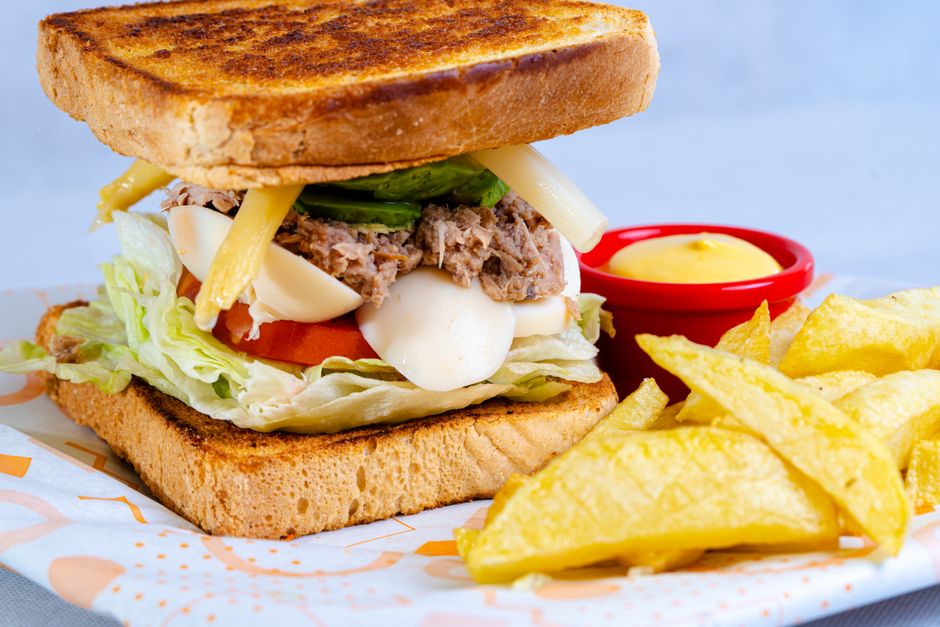
Mayonnaise is essentially fat and eggs, so the carb count is very low. A standard tablespoon of commercial mayonnaise contains less than 1 gram of carbohydrates. This makes it a staple for many people following low-carb or ketogenic diets, but the specific ingredients and added sugars in different brands can change that number.
What Is the Actual Carb Count in Mayonnaise?
Plain mayonnaise is made from oil, egg yolks, vinegar or lemon juice, and seasonings. None of these base ingredients contain meaningful carbohydrates. The USDA lists regular mayonnaise at about 0.1 grams of carbs per tablespoon. That is a trace amount.
The type of oil used does not change the carb count. Olive oil, avocado oil, and soybean oil are all pure fats. The egg yolks contain a small amount of carbohydrate, but the quantity per serving is negligible. For practical purposes, most people can count regular mayonnaise as zero carbs.
This is not the same for every product on the shelf. Flavored mayonnaises, reduced-fat versions, and “vegan” or “aquafaba” varieties often contain added ingredients that bring the carb count up. Always check the nutrition label rather than assuming every jar is the same.
Does Mayonnaise Have Carbs When You Add Other Ingredients?
The carb question changes depending on what else is in the jar. Some commercial brands add sugar or high-fructose corn syrup to balance acidity. The amount is usually small, but it is not zero.
Reduced-fat mayonnaise is a different story. When manufacturers remove fat, they typically replace it with water, modified food starch, or sugar to maintain texture and taste. These additives are carbohydrates. A tablespoon of light mayonnaise can contain 2 to 4 grams of carbs, which is significantly more than regular.
Flavored varieties like sriracha mayo, honey mustard mayo, or chipotle mayo almost always contain added sugar. If you are tracking carbohydrates strictly, these are the products to read carefully. The same rule applies to homemade mayonnaise that includes sweetened ingredients.
How Does Mayonnaise Fit Into a Low-Carb or Keto Diet?
Because regular mayonnaise is nearly carb-free, it fits comfortably into low-carb eating patterns. It also provides a high amount of fat, which is a primary energy source in ketogenic diets. Many people use it as a base for sauces, a spread for lettuce wraps, or a binder for chicken or tuna salad.
There is a practical caveat. Mayonnaise is calorie-dense because it is almost entirely fat. One tablespoon contains about 90 to 100 calories. Eating large amounts can stall weight loss even when carbohydrate intake stays low. Portion control matters regardless of the carb count.
Some low-carb eaters avoid commercial mayonnaise because of the oils used, such as soybean or canola oil. That is a personal preference about fat quality, not a carbohydrate issue. If you want to avoid those oils, making mayonnaise at home with olive or avocado oil is straightforward and keeps the carb count at zero.





Is Mayonnaise Safe for People with Diabetes?
For people managing diabetes, the carb content of regular mayonnaise is not a concern. Less than 1 gram per serving will not meaningfully affect blood sugar levels. The larger issue is calorie intake and overall dietary pattern.
Some research suggests that high-fat meals can affect insulin sensitivity over time, but this is about the whole diet, not a single condiment. Using mayonnaise in moderation as part of a balanced meal is not known to cause blood sugar spikes.
People with diabetes who are also trying to lose weight should pay attention to portion sizes. Mayonnaise adds calories quickly. A sensible approach is measuring your serving rather than scooping directly from the jar.
What About Mayonnaise and Heart Health?
Mayonnaise is high in fat, and the type of fat depends on the oil used. Traditional mayonnaise made with soybean or canola oil contains mostly polyunsaturated and monounsaturated fats. These are generally considered healthier than saturated fats.
Some studies have linked diets high in certain vegetable oils to increased inflammation, but the evidence is mixed and depends heavily on the overall diet. There is no strong clinical consensus that moderate mayonnaise consumption causes heart disease.
If you are concerned about heart health, the practical approach is to choose mayonnaise made with oils you are comfortable with and use it in reasonable amounts. Avocado oil and olive oil mayonnaise are widely available and have similar carb counts to regular mayonnaise.
How to Read Mayonnaise Labels for Hidden Carbs
The nutrition facts panel is the most reliable source. Look at the “Total Carbohydrate” line, not just the sugar line. Starch and other thickeners count as carbs even when they do not taste sweet.
Serving size matters. Many brands list a serving as one tablespoon, but some list two tablespoons. If you use more than the listed serving, multiply the carb count accordingly.
Ingredient lists reveal the truth. Watch for sugar, honey, corn syrup, maltodextrin, modified food starch, and dextrose. Any of these in the ingredient list means the product contains added carbohydrates. The closer the ingredient list is to oil, eggs, vinegar, and salt, the lower the carb count will be.
Are There Carb-Free Alternatives to Mayonnaise?
If you want the creamy texture without any carbohydrates at all, several options exist. Plain Greek yogurt has some carbs, usually around 4 grams per half-cup, but it is lower in fat. Sour cream has about 1 gram of carbs per tablespoon. Cream cheese has roughly 1 gram per tablespoon.
For a true mayonnaise substitute, you can make your own with just oil, egg yolk, and an acid. This is naturally zero-carb. Blended avocado is another option, though it does contain about 2 grams of net carbs per half avocado.
Store-bought “keto” mayonnaises are not necessarily lower in carbs than regular mayonnaise. They are often marketed for their fat quality or lack of certain oils. Check the label to see if the carb count actually differs from standard products.
Does Cooking with Mayonnaise Change the Carb Content?
Cooking does not change the carbohydrate content of mayonnaise. Heat does not create or destroy carbs. If you use mayonnaise in baked chicken dishes or as a grilling coating, the carb count remains the same as what you added.
What changes is the fat structure. High heat can cause the oils in mayonnaise to oxidize, which may produce compounds that are not ideal for health. For this reason, some cooking experts recommend using mayonnaise for low-heat cooking or as a finishing sauce rather than deep frying.
There is no evidence that cooking mayonnaise makes it unsafe. The concern is about fat quality under high heat, not about carbohydrates.
Frequently Asked Questions
Does mayonnaise have carbs?
Regular mayonnaise has less than 1 gram of carbohydrates per tablespoon. The base ingredients — oil, egg yolks, and vinegar — contain essentially no carbs.
Is mayonnaise keto-friendly?
Yes, regular mayonnaise is keto-friendly because it is almost entirely fat with trace carbohydrates. Reduced-fat and flavored versions may contain added sugar and are not always keto-friendly.
Does light mayonnaise have more carbs than regular?
Yes, light mayonnaise typically has more carbs, usually 2 to 4 grams per tablespoon. This is because manufacturers replace removed fat with starches and sugars to maintain texture.
Can people with diabetes eat mayonnaise?
Yes, regular mayonnaise will not meaningfully raise blood sugar because of its very low carb content. Portion control is still important because mayonnaise is calorie-dense.
