
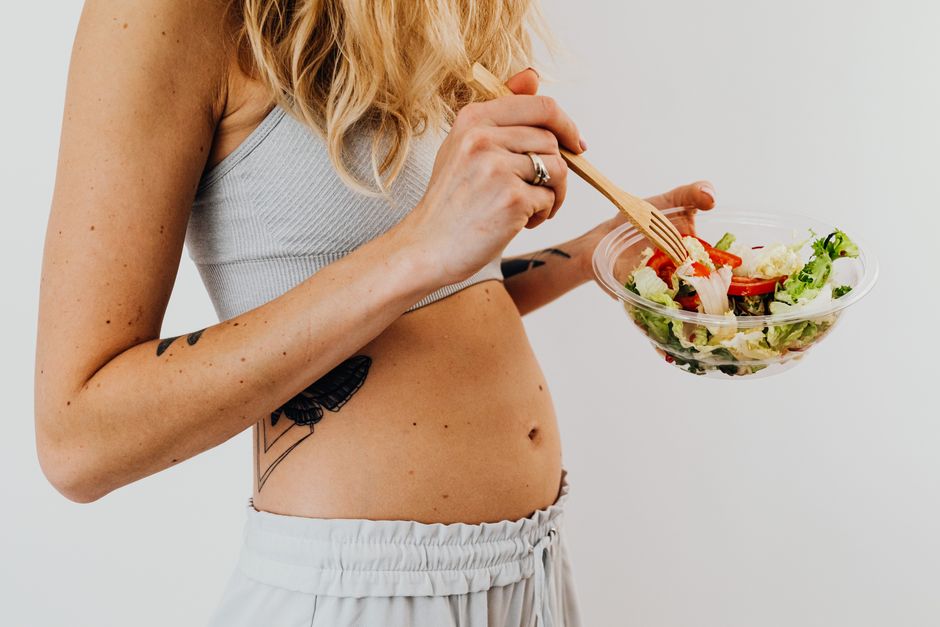
Period cramps happen when the uterus contracts to shed its lining. Those contractions squeeze blood vessels, which briefly cuts off oxygen to the uterine muscle. That lack of oxygen triggers pain. Some foods can help calm that process by reducing inflammation, relaxing muscles, or managing hormone-like compounds called prostaglandins that drive the cramping.
The most helpful foods for period cramps are anti-inflammatory options like fatty fish, leafy greens, ginger, and warm liquids. Foods rich in magnesium, omega-3 fatty acids, and certain vitamins have the strongest evidence behind them. No single food will eliminate cramps entirely, but a consistent pattern of eating these foods—especially in the days before your period—can measurably reduce pain for many people.
What Foods Make Period Cramps Better?
Foods that reduce inflammation and relax muscle tissue offer the most relief. Omega-3 fatty acids lower the production of inflammatory prostaglandins, the compounds that make cramps worse. Magnesium helps muscles relax and may reduce the severity of contractions. Calcium and vitamin D also appear to play a role in muscle function and pain signaling.
Fatty fish like salmon, sardines, and mackerel are excellent sources of omega-3s. Leafy greens such as spinach and kale provide magnesium and calcium. Ginger has been studied specifically for menstrual pain with promising results. Warm soups, broths, and herbal teas can also help because heat improves blood flow to the pelvic area.
Dark chocolate deserves a mention too. It contains magnesium and may help with the mood changes that often accompany periods. Just keep portions reasonable since sugar can increase inflammation.
Why Do Some Foods Help With Cramps?
The mechanism comes down to prostaglandins. These are hormone-like substances that the uterus produces during menstruation. High prostaglandin levels cause stronger, more frequent contractions. That is why anti-inflammatory foods help—they reduce prostaglandin production in the first place.
Magnesium works differently. It acts as a natural muscle relaxant. When magnesium levels are adequate, smooth muscle tissue like the uterus contracts less forcefully. Some research suggests magnesium supplementation can reduce menstrual pain intensity, though food sources provide smaller amounts than supplements.
Calcium also influences muscle contraction. Muscle fibers need calcium to contract, but the balance of calcium inside and outside the cell matters. Diets adequate in calcium are associated with less severe menstrual pain in some observational studies.
Ginger appears to work through multiple pathways. It has anti-inflammatory properties and may inhibit prostaglandin synthesis similar to how ibuprofen works, though less potently. Several studies have found ginger reduces menstrual pain severity when taken in the first few days of the period.
Foods to Eat Before and During Your Period
Timing matters. Eating anti-inflammatory foods consistently throughout your cycle is better than waiting until cramps start. But adding certain foods in the week before your period can help prepare your body.
- Fatty fish — salmon, sardines, mackerel. Aim for two to three servings per week.
- Leafy greens — spinach, kale, Swiss chard. These provide magnesium, calcium, and iron.
- Ginger — fresh ginger in tea, soups, or stir-fries. Some studies use 750–2000 mg of ginger powder daily during the first few days of the period.
- Nuts and seeds — almonds, pumpkin seeds, sunflower seeds. Good sources of magnesium and vitamin E.
- Whole grains — oats, brown rice, quinoa. These help stabilize blood sugar, which can reduce mood swings and fatigue.
- Warm liquids — broth-based soups, herbal tea, warm water with lemon. Heat improves pelvic blood flow.
- Dark chocolate — choose 70% cacao or higher for more magnesium and less sugar.
During your period, continue eating these foods. Warm meals are often more comforting than cold ones. If nausea accompanies your cramps, bland foods like oatmeal, bananas, and plain rice may be easier to tolerate.
Foods to Limit or Avoid During Your Period
Some foods can make cramps worse by increasing inflammation or causing bloating. You do not need to eliminate them completely, but reducing them in the days before and during your period may help.
Salty foods cause water retention, which can worsen bloating and make cramps feel more intense. Processed snacks, fast food, and canned soups are common culprits. Check sodium labels—many processed foods contain far more salt than you might expect.
Sugary foods and refined carbohydrates spike blood sugar quickly. That spike triggers an insulin response, which can increase inflammation. Pastries, candy, soda, and white bread fall into this category. Fruit is a better choice when you want something sweet.
Caffeine can constrict blood vessels. Since cramps are partly caused by reduced blood flow to the uterus, caffeine may make pain worse for some people. Coffee, energy drinks, and some sodas are the main sources. If you notice your cramps are worse on days you drink coffee, try cutting back during your period.
Alcohol can dehydrate you and may increase inflammation. It can also interfere with sleep, which makes pain harder to manage. Limiting alcohol during your period is a reasonable choice, especially if you already have heavy cramping.
Do Supplements Work for Period Cramps?
Some supplements have evidence behind them, but they are not a substitute for a healthy diet. Magnesium supplements have been studied for menstrual pain with generally positive results. Some research suggests magnesium can reduce pain intensity and the need for pain medication.
Vitamin B1 (thiamine) has also been studied. One trial found that 100 mg daily reduced menstrual pain severity. Vitamin E may help by reducing prostaglandin production. Omega-3 supplements, like fish oil, have shown benefit in some studies as well.
Here is the honest position: the evidence for these supplements is moderate at best. Some studies show benefit, others show little effect. Doses vary between studies, and no universal recommendation exists. If you are considering supplements, talk to a healthcare provider first—especially if you are pregnant, breastfeeding, or taking blood-thinning medication.
Supplements are not regulated the same way medications are. Quality varies between brands. Third-party testing labels like USP or NSF indicate the product was independently verified, but that does not guarantee effectiveness.
What Else Can Help Alongside Diet?
Diet is one tool, not the only one. Heat therapy is well-supported for period pain. A heating pad or warm bath relaxes pelvic muscles and improves blood flow. One review found heat therapy was as effective as ibuprofen for some people with menstrual cramps.
Gentle movement helps too. Light walking, stretching, or yoga can reduce pain by releasing endorphins and improving circulation. Intense exercise may feel worse during cramps, so listen to your body.
Over-the-counter pain relievers like ibuprofen or naproxen work well for many people. These NSAIDs reduce prostaglandin production directly. Taking them at the first sign of cramps, rather than waiting for severe pain, is more effective.
Stress makes cramps worse. Cortisol and other stress hormones can increase muscle tension and inflammation. Deep breathing, meditation, or simply resting can help. Sleep is especially important—pain perception increases when you are sleep-deprived.
Staying hydrated matters. Dehydration can make muscles more prone to cramping. Water, herbal teas, and broth all count toward fluid intake. Aim for consistent hydration throughout the day rather than drinking large amounts at once.
When Should You See a Doctor About Period Cramps?
Period cramps that interfere with daily life are not normal—even though many people have been told they are. If over-the-counter pain relievers do not help, or if you miss work or school because of pain, talk to a healthcare provider.
See a doctor if you experience any of these signs:
- Pain that gets worse over time or does not respond to typical treatment
- Cramps that start more than a few days before your period
- Heavy bleeding that requires changing pads or tampons every hour
- Blood clots larger than a quarter
- Pain during sex or between periods
- Nausea, vomiting, or fainting with your period
These symptoms can indicate conditions like endometriosis, uterine fibroids, or pelvic inflammatory disease. These are treatable, but they require a proper diagnosis. Dietary changes can help manage symptoms, but they cannot treat an underlying condition.
Frequently Asked Questions
How quickly do foods help with period cramps?
Some foods like ginger may provide relief within a few hours. Most dietary changes work best when started several days before your period begins.
Is chocolate good or bad for period cramps?
Dark chocolate with at least 70% cacao contains magnesium and may help with cramps and mood. Milk chocolate and sugary chocolate can increase inflammation and make symptoms worse.
Can drinking water reduce period cramps?
Staying hydrated helps prevent muscle cramping and reduces bloating. Water alone will not stop cramps, but dehydration can make them worse.
Are bananas good for period cramps?
Bananas contain magnesium and potassium, both of which help muscle function. They also provide vitamin B6, which may help with mood and water retention.
