
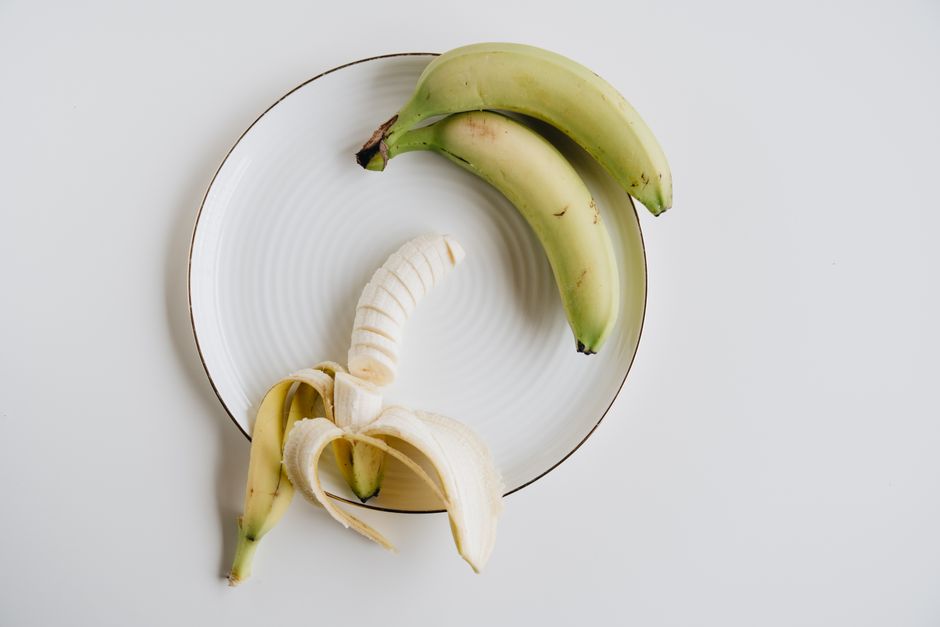
Yes, bananas can help with muscle cramps in many cases. They provide potassium and magnesium, two electrolytes your muscles need to function properly. But they are not a guaranteed cure, and the science behind cramps is more complex than a simple mineral deficiency.
What Causes Muscle Cramps?
A muscle cramp is a sudden, involuntary contraction. It happens when a muscle tightens and will not relax. This can last for seconds or minutes. The most common spots are the calves, thighs, and feet.
Researchers do not fully agree on one single cause. Several factors are known to contribute. These include dehydration, muscle fatigue, and exercising in heat. Some studies point to an imbalance of electrolytes like sodium, potassium, calcium, and magnesium.
Nerve dysfunction may also play a role. When nerves send faulty signals, muscles can fire without your control. This is why some experts view cramps as a nerve problem rather than just a muscle problem.
Certain groups are more prone to cramps. Older adults get them more often. Pregnant women frequently experience them at night. People with liver or thyroid conditions also have a higher risk.
Do Bananas Help Cramps?
Bananas are a reasonable first-line response to cramps, but the evidence for them is not overwhelming. They contain about 422 mg of potassium per medium fruit. They also provide magnesium and vitamin B6. These nutrients are involved in muscle contraction and relaxation.
Clinical research on bananas specifically is limited. One well-known study from 2012 looked at bananas versus a sports drink in cyclists. It found that bananas helped maintain potassium levels but did not significantly prevent cramps better than the drink. That study was small, and its results have not been widely replicated.
For night cramps related to low potassium, eating a banana daily may help. For cramps caused by dehydration or overexertion, water and rest may matter more. The banana is not useless, but it is not a magic bullet either.
What bananas do well is provide a quick, digestible source of electrolytes. They are easy on the stomach. They are also a better choice than a sugary sports drink because they add fiber and other nutrients.
Potassium: How Much Do You Actually Need?
The average adult needs about 2,600 to 3,400 mg of potassium per day for men, and 2,600 mg for women, according to general dietary guidance. Most people in the US do not meet this target. A single banana covers roughly 10 to 15 percent of your daily need.
Potassium helps regulate fluid balance and nerve signals. When levels drop too low, a condition called hypokalemia, muscles can weaken and cramp. Severe hypokalemia can cause more serious issues like abnormal heart rhythms.
But here is the key point: most people who get cramps do not have clinically low potassium. Their blood levels are normal. Cramping in these cases is more likely tied to fatigue, dehydration, or nerve irritation. Eating a banana in that situation is not harmful, but it may not stop the cramp.
If you have kidney disease, do not increase potassium intake without talking to your doctor. Damaged kidneys cannot filter excess potassium effectively. High potassium can be dangerous for this group.





Magnesium and Other Nutrients in Bananas
Bananas contain about 32 mg of magnesium per medium fruit. The recommended daily allowance for magnesium is 400 to 420 mg for men and 310 to 320 mg for women. So a banana provides a small fraction of your daily need.
Magnesium deficiency is linked to muscle cramps, especially in older adults and pregnant women. Some research suggests magnesium supplements can reduce cramp frequency in these groups. The evidence is stronger for pregnancy-related cramps than for exercise-related ones.
Bananas also contain vitamin B6, which supports nerve health. Damaged or irritated nerves are one proposed cause of cramps. Getting enough B6 is important, but no strong evidence shows that a banana’s B6 content directly prevents cramps.
If you are considering a magnesium supplement for cramps, talk to your doctor first. High doses can cause diarrhea and low blood pressure. Food sources like bananas, nuts, and leafy greens are generally safer.
What Works Better Than Bananas for Cramps?
For an acute cramp happening right now, stretching is the most effective response. Gently lengthening the cramped muscle helps signal it to relax. For a calf cramp, pull your toes toward your shin. Hold the stretch until the cramp releases.
Hydration matters for prevention. Drink water before, during, and after exercise. If you sweat heavily for over an hour, consider an electrolyte drink that includes sodium. Sodium is the main electrolyte lost in sweat, and bananas contain very little of it.
For recurrent night cramps, the evidence is mixed. Some studies show that regular stretching before bed reduces frequency. Others suggest that magnesium or potassium supplements help. No single treatment works for everyone.
If cramps are frequent, severe, or wake you from sleep, see a doctor. They can check your electrolyte levels and screen for underlying conditions. Cramps can be a symptom of peripheral artery disease, nerve compression, or medication side effects.
Are Bananas Better Than Sports Drinks?
Bananas have advantages over commercial sports drinks. They provide potassium, magnesium, and carbohydrates without added dyes or excessive sugar. A medium banana has about 105 calories and 27 grams of carbs, mostly from natural sugars and starch.
Sports drinks are designed for rapid absorption during prolonged exercise. They contain sodium, which bananas lack. For exercise lasting under an hour, plain water is usually sufficient. For longer sessions, a combination of water, electrolytes, and carbs is reasonable.
Some athletes eat half a banana before a workout and drink water during. That approach is practical and well tolerated. There is no strong evidence that either bananas or sports drinks are clearly superior for cramp prevention.
The choice depends on your activity level and personal preference. If you like bananas and they settle well, keep eating them. If you prefer a drink, choose one with a modest sugar content and sodium.
When Bananas Will Not Help
Bananas will not fix cramps caused by certain medical conditions. If you have a magnesium deficiency that is severe, a banana’s 32 mg will not correct it. You would need a supplement or a broader dietary change.
Medication-induced cramps are another case. Diuretics, statins, and some blood pressure drugs can cause cramping. Eating a banana will not counteract these effects. Your doctor may need to adjust your medication.
Nerve-related cramps, such as those from spinal stenosis or diabetic neuropathy, require medical treatment. Stretching and nutrition may help slightly, but they will not address the root cause.
Be honest about your situation. If bananas do not reduce your cramp frequency after a few weeks, try another approach. There is no shame in that. Cramps are multifactorial, and one food will not solve every case.
How to Use Bananas for Cramp Prevention
If you want to try bananas, consistency matters more than quantity. One banana per day is a sensible target. Eating three at once will not triple the benefit and may cause stomach discomfort.
Pair bananas with other potassium-rich foods. Potatoes, sweet potatoes, spinach, and beans all contain more potassium per serving than bananas. Variety in your diet is better than relying on a single fruit.
Timing may matter for exercise-related cramps. Eating a banana 30 to 60 minutes before a workout provides carbohydrates for fuel and electrolytes for muscle function. This is a common practice among endurance athletes, and it is supported by basic physiology.
For night cramps, try a banana as an evening snack. Combine it with a glass of water. This simple routine is low-risk and may help if your cramps are related to mild dehydration or low potassium.
Frequently Asked Questions
How many bananas should I eat to prevent cramps?
One banana per day is a reasonable amount for most people. Eating more does not provide additional cramp protection and may add unnecessary calories.
Can bananas cause cramps if I eat too many?
No, bananas do not cause cramps in healthy people. Eating excessive amounts could cause stomach discomfort, but not muscle cramping.
Are bananas better than magnesium supplements for cramps?
Bananas are safer and provide other nutrients, but they contain far less magnesium than a supplement. For severe deficiency, a supplement guided by a doctor may be necessary.
Do bananas help with period cramps?
Some evidence suggests potassium and magnesium may ease menstrual discomfort. Bananas are a reasonable addition, but they are not a proven treatment for period cramps.
