
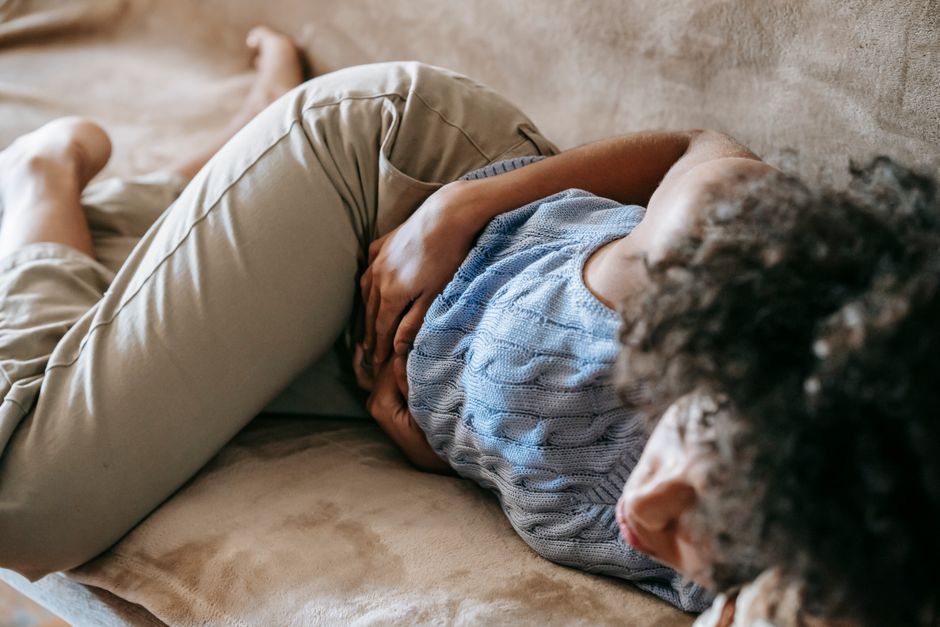
Period cramps can make falling asleep feel impossible. The pain, the restlessness, and the discomfort all pile up just when your body needs rest. The good news is that you can take specific steps to ease the pain and get comfortable enough to sleep. The most effective approach combines heat therapy, strategic body positioning, and good sleep hygiene. Start by placing a heating pad on your lower abdomen or lower back, lie on your side with your knees bent, and place a pillow between your knees to reduce pelvic pressure. These simple adjustments can make a real difference in how quickly you fall asleep and how well you stay asleep.
Why Do Period Cramps Get Worse at Night?
Cramps happen because your uterus contracts to shed its lining. These contractions are driven by hormone-like substances called prostaglandins. Higher prostaglandin levels mean stronger contractions and more pain.
At night, several factors can make the pain feel worse. You have fewer distractions, so you notice the discomfort more. Your body also produces less cortisol, a natural anti-inflammatory hormone, during the evening. This drop can leave you more sensitive to pain. Lying flat can also change how blood pools in your pelvis, which may increase pressure and discomfort for some people.
Understanding this helps you target the right fixes. Heat works because it relaxes the uterine muscle. Positioning works because it takes tension off the pelvic floor. Both address the physical source of the pain rather than just masking it.
What Is the Best Sleeping Position for Period Cramps?
Sleeping on your side is the best position for period cramps. Specifically, lying on your left side with your knees bent toward your chest is most comfortable for many people.
This position does two things. First, it reduces tension on the ligaments that support your uterus. Second, it takes pressure off your lower back, which often aches along with cramps. Bending your knees shortens the psoas muscle, a deep core muscle that connects your spine to your legs. When this muscle is tight, it can pull on your lower back and pelvis. Bending your knees relaxes it.
Place a pillow between your knees. This keeps your hips aligned and prevents your top leg from pulling your pelvis out of a neutral position. A thin pillow under your belly can also help if you have a larger abdomen or feel pressure when lying on your side.
If side sleeping is not comfortable for you, sleeping on your back with a pillow under your knees is a reasonable alternative. The pillow under your knees maintains the natural curve of your lower back. Avoid sleeping on your stomach. It puts direct pressure on your pelvis and forces your neck into an awkward angle, which can worsen both cramps and morning stiffness.
Does Heat Really Help with Cramps at Night?
Yes. Heat therapy is one of the most consistently supported remedies for menstrual pain. A heating pad or warm water bottle on your lower abdomen relaxes the uterine muscle and increases blood flow to the area.
Research has found that continuous low-level heat works as well as common over-the-counter pain relievers for some people. The heat does not have to be intense. A temperature around 104°F (40°C) applied for 15 to 20 minutes is enough to trigger relief. You can repeat this as needed throughout the night.
Use a heating pad with an automatic shut-off feature so it turns off if you fall asleep. Never fall asleep with a hot water bottle or a heating pad that lacks temperature controls. The risk of burns is real, especially when you are asleep and cannot feel the heat building up.
If you do not have a heating pad, a warm bath or shower before bed can provide similar benefits. The warmth relaxes your muscles and helps you wind down. Just make sure your hair is dry before you get into bed. Going to sleep with wet hair does not cause cramps, but it can make you cold and uncomfortable, which works against your goal of sleeping well.





Which Pain Relievers Work Best for Menstrual Cramps?
Nonsteroidal anti-inflammatory drugs, or NSAIDs, are the most effective over-the-counter option for period cramps. These include ibuprofen (Advil, Motrin) and naproxen (Aleve).
NSAIDs work differently from plain pain relievers like acetaminophen. They block the production of prostaglandins, the chemicals that cause uterine contractions. Taking an NSAID at the first sign of cramps or even the day before your period starts is more effective than waiting until the pain is severe.
Follow the dosing instructions on the package. Do not take more than the recommended amount, and do not combine two different NSAIDs at the same time. Take them with food to reduce stomach irritation.
If you have kidney disease, stomach ulcers, or a history of gastrointestinal bleeding, talk to your doctor before using NSAIDs. Acetaminophen is a less effective option for cramps but may be safer for some people. If over-the-counter options do not control your pain, a doctor can prescribe stronger medications or discuss other treatments like hormonal birth control, which reduces prostaglandin production over time.
What Should You Avoid Before Bed on Your Period?
Certain foods and drinks can make cramps or sleep quality worse. Caffeine is the biggest culprit. It can increase muscle tension and make it harder to fall asleep. Some research suggests caffeine may also intensify breast tenderness and irritability during the premenstrual phase.
Alcohol is another one to skip. It may make you feel sleepy at first, but it disrupts the later stages of sleep and can make you wake up in the middle of the night. Alcohol also causes dehydration, which can worsen muscle cramping.
Heavy, spicy, or salty meals close to bedtime are best avoided. These can cause bloating, heartburn, and indigestion, all of which make it harder to get comfortable. Salt promotes water retention, which can increase the bloated feeling that often accompanies cramps.
Instead, choose a light snack if you are hungry. A banana, a small bowl of oatmeal, or a handful of almonds are good options. These provide magnesium and potassium, minerals that help muscles relax.
How Can You Build a Comfortable Sleep Environment?
Your bedroom temperature matters more than you might think. A cooler room, around 65°F (18°C), supports the natural drop in core body temperature that helps you fall asleep. But your abdomen may need warmth. This is where a heating pad becomes useful — it targets the area that needs heat without raising the temperature of the whole room.
Choose loose, breathable pajamas. Tight waistbands press on your abdomen and can make cramps feel worse. Soft cotton or bamboo fabrics are good choices because they wick moisture and do not trap heat.
Darkness is important. Melatonin, the hormone that regulates sleep, is produced in response to darkness. Use blackout curtains or a sleep mask. Keep your phone out of reach or at least face-down so notifications do not pull you out of a light sleep state.
Consider a weighted blanket. Some people find the gentle, even pressure calming. The evidence for weighted blankets improving sleep is limited but promising. If you try one, choose a weight around 10 percent of your body weight. If it feels too heavy or restrictive, it is not helping you — take it off.
When Should You See a Doctor About Period Cramps?
Severe cramps that interfere with your life are not normal. If pain keeps you from sleeping regularly, causes you to miss work or school, or does not respond to over-the-counter medication, talk to a doctor.
Seek medical attention sooner if you experience any of these signs:
- Cramps that get progressively worse over several cycles
- Pain that is not limited to your period
- Heavy bleeding that requires changing a pad or tampon every hour
- Passing large blood clots
- Fever, nausea, or vomiting along with your period
These symptoms can indicate conditions like endometriosis, uterine fibroids, or pelvic inflammatory disease. These conditions are treatable, but they require a proper diagnosis. Do not assume that severe pain is just part of being a woman. It is not.
Frequently Asked Questions
Does sleeping on your side actually reduce period cramps?
Yes. Side sleeping with bent knees reduces tension on the ligaments supporting your uterus and relaxes the psoas muscle in your lower back. Adding a pillow between your knees keeps your hips aligned and prevents added pelvic pressure.
Can a heating pad be left on all night?
No. You should never sleep with a heating pad that lacks an automatic shut-off feature. Use a pad with a timer set for 15 to 20 minutes, or use a hot water bottle wrapped in a towel that will cool naturally.
Is it better to take ibuprofen or acetaminophen for cramps?
Ibuprofen is generally more effective because it is an NSAID that reduces prostaglandin production, the direct cause of uterine contractions. Acetaminophen only blocks pain signals and does not address the underlying inflammation.
Does caffeine make period cramps worse?
Caffeine can increase muscle tension and may intensify anxiety and irritability during your period. It can also interfere with sleep, which makes it harder for your body to recover overnight.
