
Pelvic floor health is one of those topics that gets complicated fast online, but the basics are straightforward. The pelvic floor is a group of muscles at the bottom of your pelvis that support your bladder, bowel, and uterus. When these muscles are weak or too tight, problems like leaking urine, pelvic pressure, or pain can show up. The good news is that targeted exercises and lifestyle changes can help most people improve their pelvic floor function significantly.
What Exactly Is the Pelvic Floor and Why Does It Matter?
The pelvic floor is not one muscle but a hammock-like sling of muscles and connective tissue. It stretches from your pubic bone in front to your tailbone in back. Think of it as a floor for your internal organs. When it works well, it keeps everything in place and coordinates with your bladder and bowel to control release.
Problems happen when these muscles become weak from pregnancy, childbirth, aging, or chronic straining. They can also become too tight from stress, poor posture, or overtraining. Both weak and tight pelvic floors cause symptoms. Weakness often leads to urine leakage with coughing or exercise. Tightness can cause pain during sex or trouble fully emptying your bladder.
Research published in the Journal of Women’s Health found that nearly one in three women experience pelvic floor dysfunction at some point. Men also have pelvic floors and can develop issues, especially after prostate surgery. The pelvic floor matters because it affects daily life in ways most people do not talk about openly.
How To Improve Pelvic Floor With Kegel Exercises
Kegels are the most well-known exercise for the pelvic floor, and for good reason. A large review in the Cochrane Database of Systematic Reviews found that women who did pelvic floor muscle training were significantly less likely to report urinary incontinence compared to those who did no training. The effect is real, but only if you do them correctly.
Most people do Kegels wrong. The common mistake is squeezing the buttocks, thighs, or stomach instead of the pelvic floor itself. To find the right muscles, try stopping your urine stream mid-flow. That squeeze you feel is your pelvic floor contracting. Do not make a habit of stopping urine flow though — that can cause bladder problems over time. Use it only once to locate the muscles.
Once you know the muscles, practice squeezing and lifting them upward for three to five seconds. Relax fully for the same amount of time. Aim for three sets of ten repetitions daily. The key is consistency over months, not intensity in one session. Research shows noticeable improvement usually takes at least eight to twelve weeks of daily practice.
What Does Research Say About Biofeedback and Physical Therapy?
Biofeedback uses sensors to show you how your pelvic floor is actually moving. A small device placed near the vagina or rectum gives visual or sound cues when you contract correctly. Studies published in the International Urogynecology Journal report that biofeedback combined with Kegels produces better results than Kegels alone for many women.
Pelvic floor physical therapy goes a step further. A trained therapist does an internal assessment to determine whether your muscles are weak, tight, or both. They then create a personalized program. This matters because doing Kegels when your pelvic floor is already too tight can make pain worse. A therapist can teach you relaxation techniques and manual release for tight muscles.
Research from the American Physical Therapy Association shows that supervised pelvic floor therapy has success rates above 80 percent for stress urinary incontinence. For urgency and frequency issues, the numbers are slightly lower but still encouraging. The takeaway is clear: if you have tried Kegels on your own for three months with no improvement, seeing a specialist is worth your time.





How Breathing and Posture Affect Your Pelvic Floor
Most people do not connect their breathing to their pelvic floor, but the connection is direct. Your pelvic floor moves down slightly when you inhale and lifts when you exhale. This coordinated movement keeps pressure balanced in your core. When you hold your breath during exercise or daily activities, you create downward pressure against the pelvic floor without the natural lift on exhale.
Poor posture also strains the pelvic floor. Sitting slumped forward puts your pelvis in a position where the pelvic floor muscles are stretched and less able to contract quickly. Standing with your ribs flared and belly pushed forward does the same thing. The National Institute on Aging notes that postural habits directly affect continence control.
Simple changes help. Exhale during effort — when lifting a child or a grocery bag. Sit with your weight evenly on both sit bones. Stand with a neutral spine rather than a swayback position. These adjustments reduce unnecessary load on the pelvic floor and allow it to work as designed.
What Lifestyle Factors Make Pelvic Floor Problems Worse?
| Factor | How It Affects the Pelvic Floor | What To Do Instead |
|---|---|---|
| Chronic constipation | Straining pushes the pelvic floor downward repeatedly | Increase fiber and water; consider a squatty potty position |
| Heavy lifting with poor form | Creates high intra-abdominal pressure without pelvic floor support | Exhale on exertion; brace core lightly before lifting |
| High-impact exercise only | Repeated jarring without strengthening can fatigue pelvic muscles | Mix in low-impact options like walking or swimming |
| Smoking | Chronic cough weakens pelvic floor over time | Quit smoking programs reduce cough and strain |
| Excess body weight | Extra belly mass increases constant downward pressure | Gradual weight loss reduces load significantly |
These factors matter more than most people realize. The American College of Obstetricians and Gynecologists states that managing chronic cough and constipation is a first-line recommendation for pelvic floor health. You cannot exercise your way out of a pelvic floor that is constantly under pressure from lifestyle habits.
Common Misconceptions About Pelvic Floor Training
One widespread myth is that Kegels are only for women who have given birth. Men have pelvic floors too, and they can weaken with age or after prostate surgery. Research in the Journal of Urology found that men who did pelvic floor exercises after prostatectomy regained continence faster than those who did not. The same principles apply regardless of gender.
Another myth is that more Kegels are always better. This is false. Overtraining the pelvic floor without adequate relaxation can lead to hypertonicity — a state where the muscles are constantly tight and unable to relax fully. Symptoms include pelvic pain, painful sex, and difficulty emptying the bladder. The pelvic floor needs both strength and flexibility, just like any other muscle group in your body.
Some people also believe that pelvic floor problems are just a normal part of aging that cannot be fixed. This is not supported by evidence. While aging does increase risk, many people in their seventies and eighties improve significantly with proper training. The key is identifying the right approach for your specific issue rather than assuming nothing can be done.
Frequently Asked Questions
How long does it take to strengthen pelvic floor muscles?
Most people see noticeable improvement after eight to twelve weeks of daily Kegel exercises. Full results often take four to six months of consistent practice.
Can pelvic floor exercises make incontinence worse?
Yes, if your pelvic floor is already too tight. Doing Kegels on a tight pelvic floor can increase pain and urgency. A physical therapy assessment can determine if you need relaxation exercises instead.
Are pelvic floor exercises effective for men?
Yes, research shows pelvic floor training helps men with incontinence after prostate surgery and can improve erectile function in some cases. The exercises work the same way as for women.
What is the best position to do Kegel exercises?
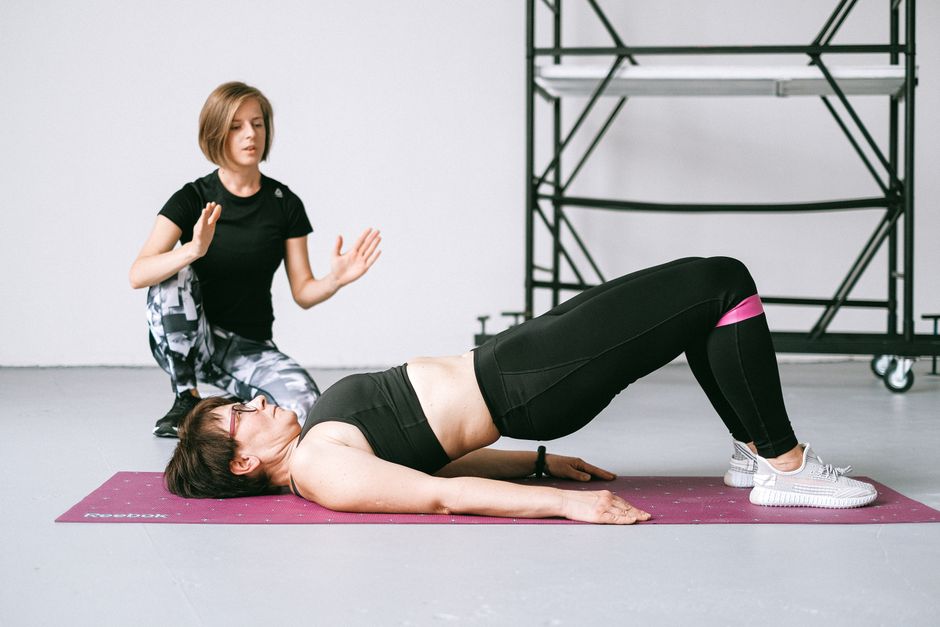
Lying on your back with knees bent is easiest for beginners. Once you master the squeeze, progress to sitting and then standing to train the muscles in more functional positions.
