
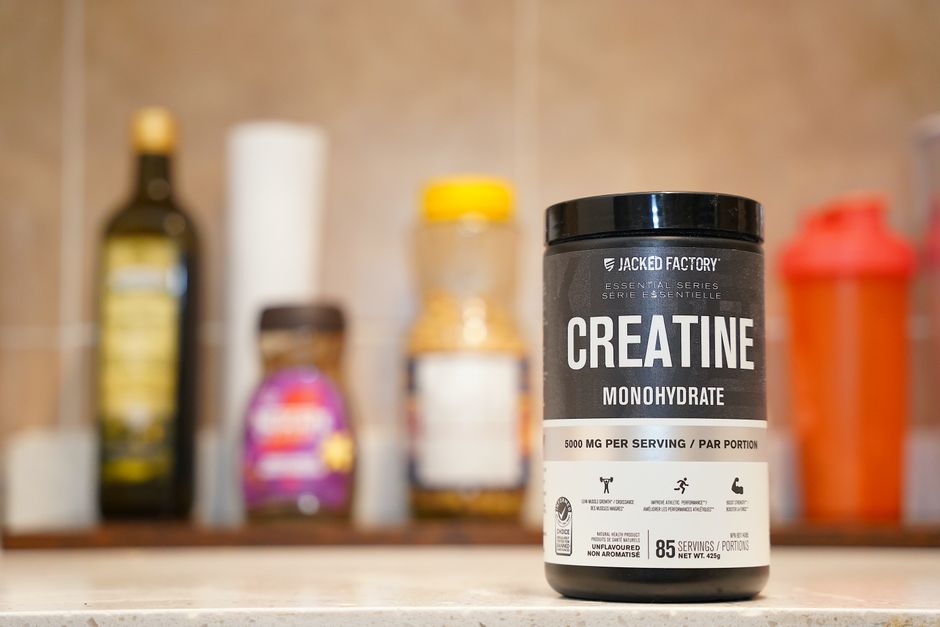
Creatine is one of the most studied sports supplements in the world, and the evidence for its effects on short bursts of high-intensity effort is strong. For most healthy adults, it is generally considered safe when taken at recommended amounts. Whether you should use it depends on your goals, your health history, and whether you are willing to accept its modest but real limitations.
What Is Creatine and What Does It Do?
Creatine is a compound your body makes and stores, mostly in skeletal muscle. It also comes from food, mainly red meat and fish. Inside muscle cells, creatine helps regenerate a molecule called ATP, which is the immediate energy currency for nearly every cellular process.
During the first several seconds of intense effort — a heavy lift, a sprint, a jump — muscles rely heavily on stored ATP. That supply runs out fast. Creatine acts as a buffer, helping rebuild ATP quickly so you can sustain that kind of effort a little longer or repeat it with less drop-off.
This is why creatine is not a stimulant and not a fat burner. It does not directly make you faster at a marathon or improve endurance performance in the way training does. Its role is specific to short, powerful efforts and the recovery between them.
How it works in plain terms
Your muscles store creatine as phosphocreatine. When ATP is used up and becomes ADP, phosphocreatine donates a phosphate group back to ADP to rebuild ATP. Supplementing raises the amount of phosphocreatine available in muscle, which expands that buffer. This mechanism is well established and is not seriously debated in exercise physiology.
Does Creatine Actually Work for Strength and Muscle?
The evidence here is about as strong as sports nutrition gets. Creatine supplementation increases muscle phosphocreatine content, and that increase translates into measurable performance gains in repeated high-intensity efforts.
Research consistently shows small to moderate improvements in maximal strength, power output, and the number of repetitions performed at a given load. When combined with resistance training, creatine tends to produce greater gains in lean mass compared with training alone. The effect is real but not dramatic — think percentages, not transformations.
A common misunderstanding is that creatine builds muscle by itself. It does not. The muscle-building effect comes from training harder and more consistently over time. Creatine makes that training slightly more productive. Without training, the strength and muscle benefits largely do not appear.
What About Creatine for the Brain and Other Claims?
The brain also uses creatine and phosphocreatine, and there is genuine scientific interest in whether supplementation helps cognition. The picture is much less clear than for muscle.
Some studies suggest possible benefits in specific situations — sleep deprivation, certain clinical populations, or tasks requiring short bursts of mental effort. Results vary, and many trials show no meaningful effect in healthy, well-rested adults. The evidence is mixed, and no strong consensus supports routine creatine use for cognitive enhancement in healthy people.
Other claims deserve skepticism. Creatine is often marketed for fat loss, immune support, hormone optimization, and general wellness. No clinical evidence currently confirms these uses in healthy adults. If a product promises broad health benefits from creatine, that is marketing, not established science.
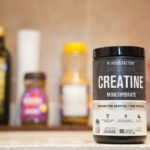

Should You Use Creatine? Weighing the Real Benefits and Limits
For people doing strength training or repeated high-intensity sport, creatine offers a well-documented edge. It is inexpensive, simple, and its main mechanism is understood. That combination is unusual in the supplement world.
But it is not for everyone. If your main activity is walking, steady-state cardio, or general movement, creatine is unlikely to change much. It also will not fix poor sleep, inadequate protein intake, or inconsistent training.
Consider these points before deciding:
- Goals: Creatine helps most with lifting, sprinting, and repeated explosive efforts.
- Training: Benefits show up when paired with regular resistance or power training.
- Health history: People with kidney disease or other chronic conditions should talk to a clinician first.
- Expectations: Gains are modest and gradual, not overnight.
Some people also notice a few pounds of rapid weight gain in the first weeks. This is mostly water drawn into muscle cells, not fat. For athletes in weight-class sports, that matters.
Is Creatine Safe? What the Evidence Shows
For healthy adults taking recommended amounts, creatine has a long track record in research and is generally considered safe. Studies lasting months to a few years have not shown harm to kidney or liver function in healthy people at typical doses.
That said, “generally safe” is not the same as “risk-free for everyone.” People with pre-existing kidney disease, liver disease, or conditions affecting creatine metabolism should not assume it is fine for them. No clinical guidelines currently exist for creatine use in pregnancy or breastfeeding, so it should not be assumed safe in those situations without medical guidance.
Common side effects are minor. Some people report stomach discomfort, especially with large single doses. The old idea that creatine causes dehydration or muscle cramps has not held up well in controlled research, though individual experiences vary.
One persistent myth is that creatine damages kidneys because it raises creatinine on blood tests. Creatinine is a normal breakdown product of creatine, so supplementing can raise measured levels without any kidney injury. This can confuse lab interpretation, which is worth mentioning to your doctor before a blood test.
How Do You Take Creatine?
The most studied form is creatine monohydrate. Other forms — hydrochloride, ethyl ester, buffered varieties — are marketed as superior but have not shown consistent advantages in research. Monohydrate is typically cheaper and better supported.
Two approaches are common in the literature:
- Loading: About 20 grams per day split into smaller doses for 5 to 7 days, then a maintenance dose.
- No loading: About 3 to 5 grams per day, which takes longer to raise muscle stores.
These figures come from established sports nutrition research on healthy adults. They are not recommendations for children, pregnant women, or people with medical conditions. No clinical guidelines currently exist for those groups.
Timing matters less than consistency. Taking it with a meal or a carb-containing drink may improve uptake slightly, but daily adherence matters more than the exact moment. Creatine works by saturating muscle stores over time, not by producing an acute effect.
Who Should Be Cautious or Skip It?
Creatine is not appropriate for everyone, and honesty matters here more than enthusiasm.
People with kidney disease, liver disease, or disorders of creatine metabolism should avoid it unless a clinician specifically advises otherwise. Anyone taking medications that affect kidney function should check first. People with uncontrolled medical conditions should address those before adding supplements.
Children and adolescents are a gray area. Some research has examined creatine in young athletes, but the evidence base is smaller, and growth and development add complexity. It is reasonable to treat this as a decision for a pediatrician rather than a general recommendation.
Finally, if you are looking for a shortcut that replaces training, nutrition, and sleep, creatine will disappoint you. It is a small tool that works best inside a solid routine.
The Bottom Line
Creatine monohydrate has strong evidence for improving short bursts of high-intensity performance and for supporting modest gains in strength and lean mass when combined with training. For most healthy adults, it is generally considered safe at recommended amounts.
It is not a cure-all, it does not burn fat, and its cognitive benefits remain unproven in healthy adults. If you train hard, have no relevant health conditions, and want a low-cost, well-studied supplement, creatine is a reasonable option. If you have kidney or liver concerns, are pregnant or breastfeeding, or are considering it for a child, talk to a clinician first.
Frequently Asked Questions
Is creatine safe to take every day?
For healthy adults, daily creatine monohydrate at recommended amounts is generally considered safe based on research lasting months to a few years. People with kidney or liver conditions should consult a clinician before using it.
Does creatine build muscle without working out?
No. Creatine supports training performance, and muscle gains come from the training itself. Without resistance or power training, the muscle-building effect largely does not appear.
What is the best form of creatine to take?
Creatine monohydrate has the most research support and is typically the cheapest option. Other forms are marketed as better but have not shown consistent advantages in studies.
Can creatine damage your kidneys?
In healthy adults at recommended doses, research has not shown kidney damage. Creatine can raise creatinine on blood tests without kidney injury, so tell your doctor if you use it before a test.
