
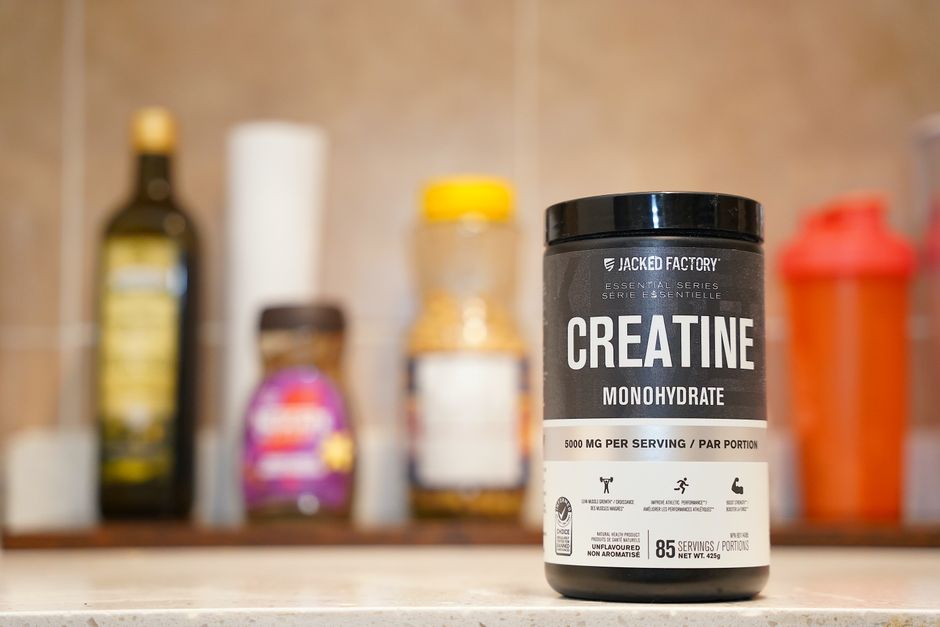
Creatine does not dehydrate you, and the research on this is fairly clear. In fact, the opposite tends to happen. Creatine pulls water into your muscle cells, which is a normal part of how it works. The idea that it dries you out comes from a reasonable-sounding but incorrect assumption about how the body handles water, and that assumption has been tested many times in controlled studies.
Does Creatine Dehydrate You?
No. Studies measuring hydration markers in people taking creatine have not found signs of dehydration. Total body water often goes up slightly, not down.
Here is what actually happens. Creatine is stored inside your muscle cells. When you take it consistently, your muscles hold more creatine, and water follows it into the cells. This is called intracellular water retention. It is water inside the cell, not water lost from the body.
Some people notice a small increase on the scale in the first week or two. That is water weight, and it is not the same as being puffy or bloated from fluid outside the cells. The water is going where the creatine is going.
The dehydration myth likely came from early observations that creatine draws water into cells. If water is moving into muscle, some people reasoned, it must be moving away from somewhere else. That reasoning does not hold up. The body regulates total fluid balance through the kidneys and hormones, and it does not simply drain one compartment to fill another.
Where Did the Creatine Dehydration Myth Come From?
The myth has a few roots, and most of them are understandable.
One is the early research on creatine and kidney function. Older case reports described kidney problems in people using creatine, which raised questions about fluid balance and kidney stress. Later controlled trials did not confirm these findings in healthy people taking standard doses. The case reports involved people with pre-existing kidney conditions or other complicating factors.
Another root is the cramping connection. Athletes who cramp are often dehydrated, so if someone cramps while taking creatine, it is easy to link the two. But muscle cramps are not a reliable sign of dehydration. They can come from fatigue, electrolyte shifts, or nerve factors, and the relationship between hydration and cramps is more complicated than most people assume.
A third factor is simple confusion about what water retention means. When people hear that creatine causes water retention, they picture swelling and puffiness. Intracellular water retention is different. It stays inside the muscle cell and does not cause the kind of swelling that signals a fluid problem.
What Does the Research Actually Show About Creatine and Hydration?
Controlled studies have looked at this directly. Researchers have measured total body water, blood markers of hydration, and urine concentration in people taking creatine compared with people taking a placebo.
The consistent finding is that creatine does not cause dehydration. Some studies show a small increase in total body water. Others show no meaningful change. None of the well-designed studies show dehydration in healthy people taking standard doses.
One point worth clarifying: some of this research has been done in athletes, in hot conditions, and during exercise. Those are exactly the situations where dehydration would show up if creatine caused it. It did not.
What about kidney markers? Creatine can raise creatinine levels on a blood test. Creatinine is a waste product from muscle breakdown, and it is used as a marker of kidney function. More creatine in the muscle means more creatinine in the blood. This does not mean the kidneys are failing. It means the test is picking up a normal byproduct of creatine use. This is a real issue for interpretation, and it is worth mentioning to your doctor if you take creatine and get blood work done.





Does Creatine Make You Hold Water or Lose It?
Creatine makes you hold water, but in a specific way. The water goes into your muscle cells.
This is why some people gain a few pounds in the first week. The weight is water, not fat or muscle. It typically levels off after the loading phase or after a few weeks of consistent use.
This intracellular water retention is not the same as edema, which is fluid buildup in tissues outside the cells. Edema can be a sign of heart, kidney, or liver problems. Creatine does not cause edema in healthy people.
If you notice swelling in your hands, feet, or ankles while taking creatine, that is not a typical effect. It is worth talking to a doctor, because it may point to something unrelated to the supplement.
Do You Need to Drink More Water When Taking Creatine?
You should drink enough water for normal hydration, and that is true whether or not you take creatine. There is no established guideline that says creatine users need a specific higher amount.
General hydration guidance applies to everyone. The National Academies of Sciences, Engineering, and Medicine set adequate daily fluid intake at about 3.7 liters for men and 2.7 liters for women, though needs vary with activity, climate, and diet. These are total fluid intakes from all sources, not just plain water.
Some clinicians suggest drinking a bit more water when taking creatine, but this is common practice rather than a recommendation backed by strong trial evidence. There is no harm in staying well hydrated. It supports exercise performance and general health regardless of creatine.
What you should not do is force large amounts of water beyond your thirst and normal habits. Drinking excessive water can dilute sodium in the blood, which is dangerous. That risk exists with or without creatine.
Does Creatine Cause Muscle Cramps or Heat Illness?
No. The evidence does not support a link between creatine and cramps or heat illness in healthy people.
This question has been studied in athletes training in the heat. If creatine caused cramping or raised the risk of heat illness, those studies would have found it. They did not.
Muscle cramps are common in athletes for many reasons. They are not a reliable sign that creatine is causing a problem. If you cramp often, look at training load, electrolytes, fatigue, and hydration status. Those factors matter more than creatine.
Heat illness is a serious condition. It happens when the body cannot regulate its temperature, usually during intense exercise in hot conditions. Creatine does not appear to increase this risk. The bigger factors are intensity, duration, fitness level, and acclimation to heat.
Who Should Be Careful With Creatine?
Creatine is one of the most studied sports supplements, and it has a strong safety record in healthy adults. That said, some groups should be cautious.
People with pre-existing kidney disease should talk to a doctor before taking creatine. The kidneys handle creatine and its byproducts, and while creatine has not been shown to harm healthy kidneys, the picture is different when kidney function is already reduced.
People taking medications that affect the kidneys or fluid balance should also check with a doctor. This includes diuretics and some blood pressure medications.
There is no established dosing guidance for pregnant or breastfeeding women. No clinical guidelines currently exist for this population. The same is true for children, though some research has looked at creatine in specific pediatric conditions under medical supervision. That is different from general use.
If you have any condition that affects how your body handles water or electrolytes, talk to your doctor before starting creatine.
What About the Claim That Creatine Is a Diuretic?
Creatine is not a diuretic. Diuretics are substances that increase urine output and can lead to dehydration. Creatine does not work that way.
Caffeine is a mild diuretic, and some pre-workout products combine caffeine with creatine. If someone feels dehydrated after taking one of these products, the caffeine is the more likely culprit, not the creatine.
This is one of those cases where the combination gets blamed for the effect of one ingredient. It is worth knowing the difference if you use both.
How to Stay Hydrated While Taking Creatine
Hydration is simple for most people. Drink when you are thirsty, and drink more when you sweat.
Urine color is a rough guide. Pale yellow suggests you are well hydrated. Dark yellow or amber suggests you need more fluids. This is not a precise test, but it is useful for everyday purposes.
If you exercise in the heat, pay attention to how much you sweat and replace fluids accordingly. Electrolytes matter too, especially sodium, if you sweat heavily for long periods.
Creatine does not change these basics. It does not require a special hydration strategy. It just means the same rules apply as always.
One practical note: creatine is often taken with water or a beverage. That is convenient, but it does not mean you need extra water beyond what you would normally drink. The supplement itself does not create a fluid deficit.
Does Creatine Affect Electrolytes?
Creatine does not appear to cause meaningful electrolyte imbalances in healthy people. Some early theories suggested it might, but controlled studies have not confirmed this.
Electrolytes like sodium, potassium, and chloride are tightly regulated by the body. They do not shift easily in response to a supplement like creatine. If you have a condition that affects electrolyte balance, or you take medications that do, that is a separate issue and worth discussing with a doctor.
For most people, the electrolyte story with creatine is uneventful. That is a good thing.
The Bottom Line on Creatine and Dehydration
Creatine does not dehydrate you. It pulls water into your muscle cells, which is a normal part of how it works. The research does not show dehydration, cramping, or heat illness in healthy people taking standard doses.
The myth persists because it sounds logical. Water moves into muscle, so it must be moving out of somewhere else. But the body does not work that simply. Total fluid balance is regulated by the kidneys and hormones, and creatine does not disrupt that in healthy people.
If you take creatine, drink normally. If you have kidney disease or take medications that affect fluid balance, talk to your doctor first. If you get blood work done, mention that you take creatine, because it can affect creatinine readings.
Beyond that, there is not much to worry about. Creatine is well studied, and the hydration concern is one of the myths that has not held up.
Frequently Asked Questions
Does creatine dehydrate you?
No. Controlled studies have not found dehydration in healthy people taking creatine. Total body water often increases slightly because creatine pulls water into muscle cells.
Should I drink more water when taking creatine?
No specific higher amount is required. Drink enough for normal hydration, which means paying attention to thirst and urine color, especially during exercise or in hot weather.
Does creatine cause muscle cramps?
No. Research in athletes, including those training in the heat, has not found a link between creatine and cramps. Cramps have many causes, and creatine is not a reliable one.
Can creatine affect kidney function?
Creatine can raise creatinine levels on blood tests, but this does not mean the kidneys are damaged. People with existing kidney disease should talk to a doctor before using creatine.
