
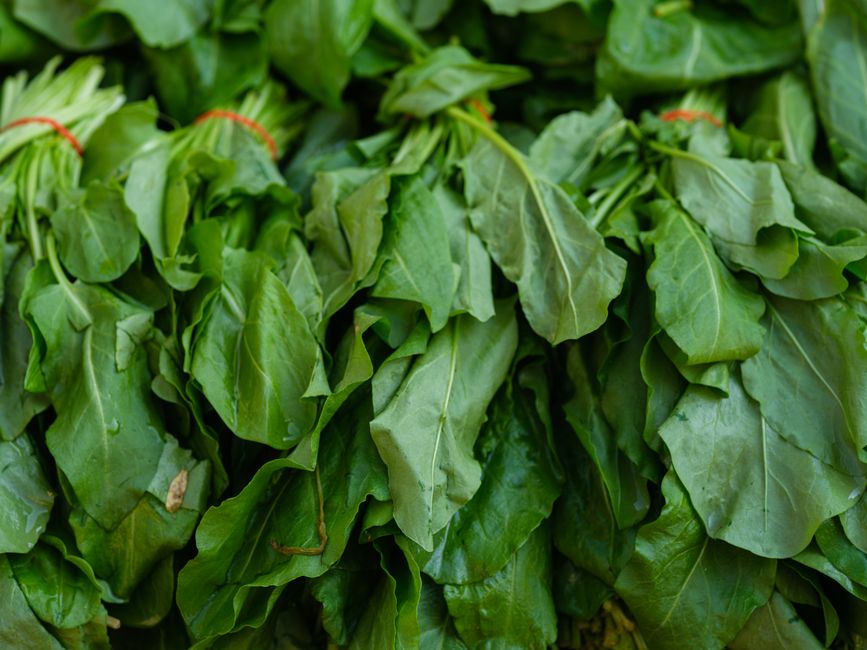
Yes, spinach can inhibit iron absorption. The reason is oxalates. These natural compounds bind to iron in spinach and make it harder for your body to use. But you can improve absorption. The most effective fix is adding vitamin C — a squeeze of lemon, some bell peppers, or a side of tomatoes. Cooking also helps reduce oxalates. Avoid drinking tea or coffee with your spinach meal, as tannins further block iron. Small changes make a real difference.
Does Spinach Block Iron Absorption?
Spinach contains non‑heme iron. That’s the type of iron found in plants. Non‑heme iron is not as easily absorbed as the heme iron in meat. On top of that, spinach is rich in oxalates. Oxalates bind to iron in your digestive tract and form a compound your body cannot absorb. Studies consistently show that oxalates reduce non‑heme iron absorption. The effect is real, but it is not absolute. You still absorb some iron from spinach — just less than you would from an equal amount of iron without oxalates.
Why Does Oxalate Matter for Iron Absorption?
Oxalates are small molecules that attach to minerals like iron and calcium. When oxalate binds to iron, it creates a solid crystal that cannot pass through the intestinal wall. Your body then excretes it. Spinach is one of the highest oxalate foods. That is why the iron in spinach is less available than iron from lower‑oxalate vegetables like broccoli or kale.
However, oxalate content varies. Baby spinach has slightly less oxalate than mature spinach. Cooking spinach in boiling water leaches some oxalates into the water. If you pour that water off, you reduce oxalates by about 30‑50%, according to some research. That improvement is real, but it does not completely solve the problem. You still need to pair spinach with absorption enhancers for the best results.
How Much Iron Is Actually in Spinach?
Spinach contains a decent amount of iron for a plant food. A cup of cooked spinach provides roughly 3‑4 milligrams of iron. That is about 20% of the daily needs for an adult woman and about 40% for an adult man. But because of oxalates, the body may only absorb a fraction of that — perhaps 2‑5% in a meal without enhancers. Compare that to heme iron from meat, which is absorbed at about 15‑35%.
So spinach is not a “bad” source of iron. It is simply a less efficient one. For people who eat a varied diet, the low absorption is not a problem. For vegetarians or people with iron deficiency, it is worth taking steps to improve absorption rather than relying on spinach alone for iron.


How Can You Improve Iron Absorption from Spinach?
Several evidence‑based methods can increase non‑heme iron absorption from spinach. These work well individually, and even better together.
Add vitamin C
Vitamin C is the strongest enhancer of non‑heme iron absorption. It converts iron into a form that is easier for the body to take up. A squeeze of lemon, a handful of red bell peppers, or a side of tomatoes can double or triple the amount of iron you absorb from the same meal. Cooking spinach with tomatoes is a simple way to combine them.
Cook your spinach
Heat reduces oxalate content slightly. Boiling or steaming spinach and discarding the cooking water removes some oxalates. Sautéing does not remove as many, but it still helps soften the plant cell walls, making the iron slightly more accessible. Any cooking method is better than raw if your goal is iron absorption.
Avoid tea, coffee, and calcium supplements at the same meal
Tannins in tea and coffee bind to iron and block absorption. Calcium also competes with iron for absorption. If you drink tea or coffee, wait at least one hour after your spinach meal. Do not take calcium supplements with spinach. The same applies to dairy products — hold the milk or cheese for a different meal.
Pair spinach with meat or fish
Heme iron from animal foods actually helps the body absorb more non‑heme iron from the same meal. This is called the “meat factor.” Even a small amount of beef, chicken, or fish eaten alongside spinach can improve your iron uptake. For vegetarians, this option does not apply, but the other strategies still work.
Who Should Be Concerned About Spinach and Iron?
For most healthy adults, the oxalate effect is minor. Your body adapts to lower iron absorption from plant foods by increasing absorption when needed. Iron deficiency is rare in men and postmenopausal women who eat a balanced diet.
The concern is real for:
- Women with heavy menstrual periods – they lose more iron each month.
- Vegetarians and vegans – they rely entirely on non‑heme iron.
- People with diagnosed iron deficiency or anemia – they need every bit of absorbable iron they can get.
- People who eat large amounts of raw spinach daily – green smoothies or big salads can add up.
If you fall into one of these groups, the fixes described above are not optional. They matter. You can still eat spinach — it is a nutritious vegetable — but do not count on it as your main iron source. Combine it with vitamin C, cook it, and avoid inhibitors.
Is It Better to Avoid Spinach for Iron?
No. Spinach has many health benefits beyond iron. It provides folate, vitamin K, vitamin A, magnesium, and antioxidants. Avoiding spinach because of oxalates is unnecessary. The oxalate‑iron interaction is only one small piece of a much bigger picture. Your overall dietary pattern matters more than any single food.
Instead of avoiding spinach, use it wisely. If you are trying to boost your iron levels, choose other foods as well: lentils, chickpeas, pumpkin seeds, fortified cereals, and red meat if you are not vegetarian. Spinach can still be part of that mix, especially when you apply the absorption enhancers.
One more point: Some online sources claim that oxalates cause “all” your iron to be wasted. That is not accurate. Even with oxalates, you absorb a meaningful amount, especially when you cook and add vitamin C. The evidence does not support the idea that spinach is worthless for iron. It is just less efficient.
Frequently Asked Questions
Does cooking spinach remove oxalates entirely?
No, cooking only removes a portion of oxalates — about 30‑50% if you boil and discard the water. Some oxalates remain in the leaves.
Can I eat spinach if I have iron deficiency?
Yes, but do not rely on spinach as your main iron source. Pair it with vitamin C and cook it. Better options include red meat, lentils, and fortified foods.
Is raw spinach worse for iron absorption than cooked spinach?
Yes, raw spinach has more oxalates and less available iron. Cooking improves absorption slightly by reducing oxalates and softening plant cell walls.
How much vitamin C should I add to help iron absorption?
A few tablespoons of lemon juice or a half cup of bell peppers is enough to make a meaningful difference. More than that does not harm, but a modest amount works.
