
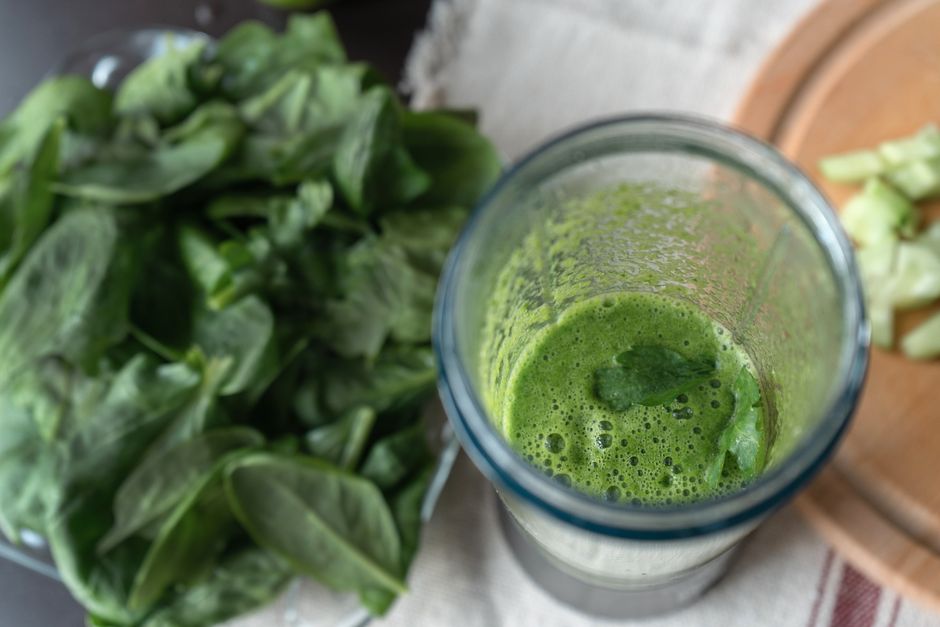
If you have ever eaten cooked spinach and felt a strange, chalky, sand-like coating on your teeth, you are not imagining it. Spinach contains high levels of a natural compound called oxalic acid, which reacts with calcium in your saliva to form tiny crystals of calcium oxalate. Those crystals deposit on tooth surfaces and create that gritty, squeaky feeling. It is a real chemical reaction happening in your mouth, not a sign of spoiled food or an allergic reaction.
Why Does Spinach Make Your Teeth Feel Weird?
The culprit is oxalic acid. Spinach is one of the richest dietary sources of this naturally occurring organic acid. When you chew spinach, the oxalic acid mixes with calcium ions in your saliva. The two bind together and form calcium oxalate, a compound that is only slightly soluble in water.
As calcium oxalate forms, it precipitates out of solution as microscopic crystals. These crystals settle onto the surfaces of your teeth, particularly in the crevices and along the gum line. The result is a rough, dry, almost sandy texture that many people describe as “fuzzy” or “chalky” teeth.
The reaction happens fast. You may notice it within seconds of your first bite. The sensation tends to be stronger with cooked spinach than raw, because cooking breaks down cell walls and releases more oxalic acid. It is also stronger with older, larger leaves, which tend to contain more oxalate than young tender ones.
This is a mechanical and chemical sensation, not a warning sign. The crystals are not damaging your enamel. They are simply sitting on the surface until saliva washes them away or you brush your teeth.
Is Oxalic Acid in Spinach Harmful to Your Teeth?
For most people, the oxalate crystals that form on teeth during a meal are harmless. They do not etch, erode, or weaken tooth enamel. Enamel is the hardest substance in the human body, and calcium oxalate crystals are far too soft to scratch it.
The gritty feeling is temporary. Saliva production, drinking water, and normal oral clearance will remove the crystals within minutes to an hour after eating. Brushing your teeth after a meal clears them faster.
There is one scenario worth knowing about. People who already form calcium oxalate kidney stones may be more sensitive to dietary oxalate, but this relates to oxalate absorption in the gut and its excretion through the kidneys, not to crystal deposits on teeth. The two processes are separate. The sensation on your teeth does not predict anything about your kidney stone risk.
If you have existing dental work such as crowns, veneers, or composite fillings, you might notice the gritty sensation more because these surfaces can be slightly more prone to retaining particles. This is a comfort issue, not a damage issue.
Why Does Cooked Spinach Cause a Stronger Sensation Than Raw?
Cooking changes the physical structure of spinach leaves. Raw spinach cells are packed with rigid cell walls made of cellulose. When you chew raw leaves, many cells remain intact, and their oxalic acid stays locked inside.
Heat breaks down those cell walls. Boiling, sautéing, or steaming releases oxalic acid into the surrounding water and into your mouth. Cooked spinach therefore delivers a higher concentration of free oxalic acid to your saliva in a shorter time.
There is a trade-off. If you boil spinach and drain the water, some oxalic acid leaches out into the cooking liquid and is discarded. Boiled-and-drained spinach may actually deliver less oxalate than sautéed spinach, where the cooking liquid stays on the plate. The sensation you feel depends on how the spinach was prepared, how much you eat, and how much calcium is in your saliva at that moment.
Saliva calcium varies between people and even throughout the day. Someone with naturally higher salivary calcium may notice the gritty feeling more than someone with lower levels. This is normal biological variation.


How Do You Get Rid of the Chalky Feeling on Your Teeth?
The sensation resolves on its own, but a few simple steps clear it faster.
- Drink water. Swishing water around your mouth helps dissolve and wash away the crystals.
- Eat something else. A piece of cheese, a sip of milk, or any food with calcium can bind remaining oxalic acid in your mouth.
- Brush your teeth. Wait about 30 minutes after eating if you had anything acidic, then brush gently with a soft-bristled toothbrush.
- Rinse with plain water. Mouthwash is not necessary and some mouthwashes may leave their own residue.
Do not scrub hard or use abrasive toothpaste to remove the feeling. The crystals are on the surface and come off easily. Aggressive brushing can irritate your gums for no reason.
Does the Gritty Feeling Mean You Should Avoid Spinach?
No. Spinach is a nutrient-dense vegetable. It provides vitamin K, vitamin A, folate, iron, and fiber. The oxalate content does not cancel out those benefits for most healthy adults.
That said, oxalate does interfere with calcium absorption from spinach itself. The calcium in spinach is largely bound to oxalate and is not well absorbed by the body. This does not make spinach a bad food. It simply means spinach is not a reliable source of dietary calcium, despite containing calcium on paper.
People with a history of calcium oxalate kidney stones are often advised by their clinicians to moderate high-oxalate foods, including spinach. That guidance is individual and should come from a doctor or dietitian, not from a general article. For everyone else, the tooth sensation is a minor annoyance, not a reason to cut spinach from your diet.
If you dislike the feeling, pair spinach with a calcium-rich food like yogurt, cheese, or milk in the same meal. The calcium binds oxalate in the gut, which may reduce how much oxalate your body absorbs. It may also reduce the crystals that form on your teeth, though that specific effect has not been formally studied.
Which Other Foods Cause the Same Sensation?
Spinach is not alone. Many plant foods contain oxalic acid or related compounds that can leave a similar coating on teeth.
- Rhubarb, especially the leaves, which are high in oxalate and should not be eaten.
- Beets and beet greens.
- Swiss chard.
- Almonds and other nuts.
- Dark chocolate and cocoa.
- Some berries, including blackberries and raspberries.
- Tea, particularly strong black tea.
You may also notice a similar dry, rough feeling after eating unripe bananas or persimmons. That sensation comes from tannins, not oxalate. Tannins bind proteins in saliva and create astringency, which feels different from the sandy texture of oxalate crystals. The two are often confused.
Knowing which compound is responsible helps you understand what you are feeling. Oxalate gives you grit. Tannins give you dryness. Neither is harmful to teeth in normal amounts.
When Should You Be Concerned About Tooth Sensation After Eating?
The gritty feeling from spinach is normal and short-lived. It should fade within an hour. If it does not, something else may be going on.
Persistent roughness, a foreign body sensation, or pain after eating any food is not typical. It could point to a dental issue such as a rough filling, a cracked tooth, or a piece of food lodged between teeth. Those situations call for a dental visit.
Sudden sensitivity to hot or cold foods, sharp pain when chewing, or visible changes to a tooth are also reasons to see a dentist. None of these are caused by spinach oxalate.
If you notice the gritty sensation only with spinach and it goes away quickly, there is nothing to worry about. It is simply chemistry doing what chemistry does.
Frequently Asked Questions
Why does spinach leave a gritty feeling on my teeth?
Oxalic acid in spinach reacts with calcium in your saliva to form tiny calcium oxalate crystals that stick to tooth surfaces. Those crystals create the sandy, chalky texture you feel.
Is the chalky feeling from spinach dangerous for my teeth?
No. Calcium oxalate crystals are too soft to damage tooth enamel and they wash away naturally within minutes to an hour. The sensation is temporary and harmless for most people.
Why does cooked spinach feel worse than raw spinach on my teeth?
Cooking breaks down spinach cell walls and releases more free oxalic acid into your mouth at once. That higher concentration produces a stronger gritty sensation compared to chewing raw leaves.
How do I get rid of the weird feeling on my teeth after eating spinach?
Drink water, eat a calcium-rich food like cheese or yogurt, or brush your teeth gently after about 30 minutes. The crystals come off easily and do not require scrubbing.
