
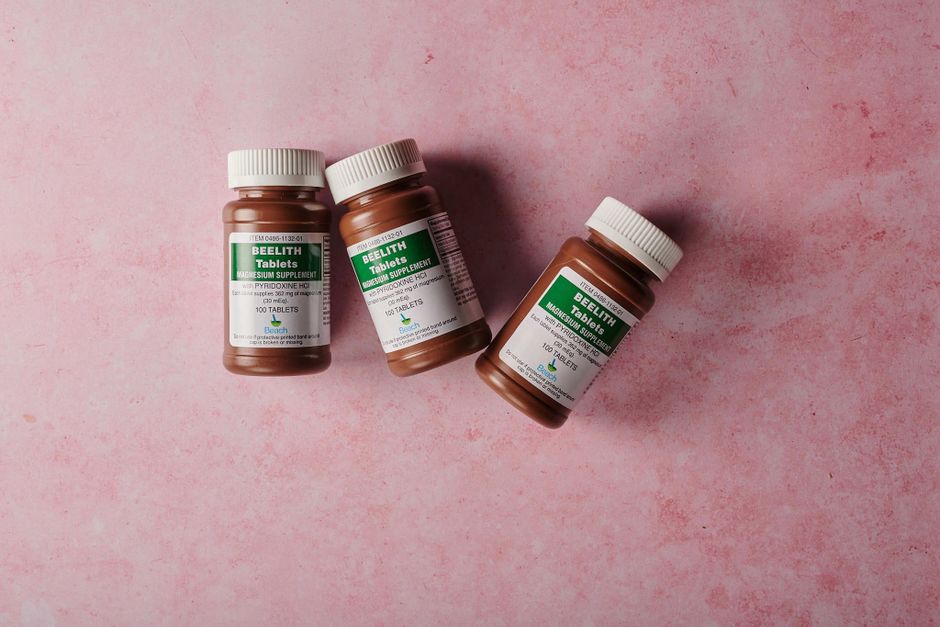
Magnesium is involved in more than 300 enzyme reactions in the human body, yet many adults do not get the recommended amount from food alone. The most effective ways to increase magnesium absorption are to spread intake across the day, pair magnesium-rich foods with protein and certain fermentable carbohydrates, correct low vitamin D, avoid taking large doses of zinc or high-dose calcium at the same time, choose forms like citrate or glycinate over oxide, and limit phytate-heavy meals when magnesium intake is already low.
How To Increase Magnesium Absorption 8 Proven Tips
Absorption is not all-or-nothing. Your body adjusts how much magnesium it pulls from food based on how much you already have. When intake is low, the gut absorbs a larger fraction. When intake is high, it absorbs less. That built-in regulation is why timing, food pairing, and supplement form all matter.
Here are eight approaches supported by physiology and clinical research.
1. Spread magnesium intake across the day
Magnesium absorption is dose-dependent in reverse. Small amounts absorbed frequently are taken up more efficiently than one large dose. This is why a single high-dose supplement does not deliver as much usable magnesium as the label implies.
Splitting intake — some at breakfast, some at dinner, for example — works with your gut’s transport systems rather than overwhelming them.
2. Eat magnesium with protein
Protein digestion releases amino acids and small peptides that can bind magnesium and carry it across the intestinal wall. Some research suggests this chelation improves uptake compared with magnesium taken alone.
Practically, this means pairing beans, nuts, seeds, or leafy greens with eggs, fish, poultry, or dairy. A meal combining both tends to support absorption better than a magnesium source eaten by itself.
3. Include fermentable carbohydrates
Certain fibers — inulin, oligofructose, and similar compounds found in onions, garlic, bananas, oats, and legumes — ferment in the colon and produce short-chain fatty acids. These acids lower colonic pH, which can increase magnesium solubility and absorption in that part of the gut.
This is one of the less obvious points. A meaningful share of magnesium absorption happens in the colon, not just the small intestine, so what feeds your gut bacteria can influence how much magnesium you actually retain.
4. Correct low vitamin D
Vitamin D and magnesium interact in both directions. Vitamin D supports the proteins that transport magnesium across cell membranes, and magnesium is a cofactor for enzymes that activate vitamin D.
If vitamin D is low, magnesium handling can be impaired. Correcting a documented deficiency — confirmed by a blood test and managed with a clinician — is one of the more reliable ways to support magnesium status. Do not assume you are deficient without testing.
5. Avoid high-dose zinc and calcium at the same time
Zinc competes with magnesium for some of the same absorption pathways. Taking a large zinc supplement alongside magnesium can reduce uptake of both. High-dose calcium can have a similar competing effect.
If you take all three, separating them by a few hours is a reasonable approach. Whether this matters at typical dietary levels is less clear — the competition is more pronounced with supplements than with food.
6. Choose a well-absorbed form
Magnesium oxide is common in supplements and laxatives, but it is poorly absorbed. Magnesium citrate, glycinate, malate, and lactate tend to be absorbed better and are generally better tolerated for routine use.
Citrate has a mild laxative effect, which some people find helpful and others do not. Glycinate is often chosen when digestive sensitivity is a concern. Form matters as much as dose for how much magnesium you actually get.
7. Reduce phytate interference when intake is low
Phytates — found in whole grains, legumes, and seeds — bind magnesium and reduce its absorption. This is not a reason to avoid these foods. They are among the best dietary sources of magnesium, and the binding effect is partial.
The practical point: if your magnesium intake is already low, loading your diet with large amounts of unsoaked bran or raw phytate-rich foods without other magnesium sources can work against you. Soaking, fermenting, and cooking reduce phytate content.
8. Address underlying gut conditions
Absorption depends on a healthy intestinal lining. Conditions that damage the gut — celiac disease, Crohn’s disease, chronic diarrhea, and some surgeries — can reduce magnesium absorption regardless of how much you consume.
If you have a diagnosed digestive condition and low magnesium, the problem may be absorption rather than intake. That is a clinical question, not a dietary one, and it needs a doctor’s assessment.
Which Foods Are Highest in Magnesium?
Food sources are generally absorbed well and come packaged with the protein, fiber, and cofactors that support uptake. The table below uses USDA nutrient data for common foods.
| Food | Magnesium (approx. per serving) |
|---|---|
| Pumpkin seeds, 1 oz | 150 mg |
| Almonds, 1 oz | 80 mg |
| Spinach, cooked, 1 cup | 157 mg |
| Black beans, cooked, 1 cup | 120 mg |
| Salmon, cooked, 3 oz | 26 mg |
| Brown rice, cooked, 1 cup | 86 mg |
Values vary by source and preparation. The point is that a varied diet can supply meaningful magnesium without supplements for many people.
Does Magnesium Absorption Change With Age or Health Status?
Absorption tends to decline with age, and older adults are more likely to fall short of recommended intake. Reduced stomach acid — common with age and with long-term use of acid-suppressing medications — can also lower magnesium absorption from food and supplements.
Certain medications increase magnesium loss or reduce absorption. Diuretics, especially thiazide and loop types, are a well-documented cause of low magnesium. Proton pump inhibitors have also been linked to low magnesium with long-term use. If you take either, this is worth raising with your clinician.
Alcohol use and poorly controlled diabetes can also deplete magnesium. These are clinical factors, not dietary ones, and they change the approach.





What Are the Signs You May Not Be Absorbing Enough Magnesium?
Early low magnesium is often silent. As it progresses, symptoms can include muscle cramps, twitching, fatigue, and poor sleep. More significant deficiency can cause abnormal heart rhythms, numbness, and seizures.
These symptoms are not specific to magnesium. They overlap with many other conditions, so symptoms alone cannot confirm a deficiency. A blood test is the usual starting point, though serum magnesium can read normal even when total body magnesium is low — a limitation clinicians are aware of.
If you have persistent symptoms, see a doctor rather than self-treating with supplements. Magnesium supplements can interact with medications and are not appropriate for everyone, particularly people with kidney disease.
Do Magnesium Supplements Actually Work Better Than Food?
For most people, food is the better route. It provides magnesium in a form the body handles well, along with other nutrients. Supplements have a role when intake is genuinely inadequate or when a clinician recommends them.
That said, supplements can be useful for people who cannot get enough from food — those with malabsorption, those on certain medications, or those with documented deficiency. In those cases, form and timing matter more than they do for dietary magnesium.
No supplement compensates for a gut that cannot absorb. If absorption is the problem, adding more magnesium without addressing the cause tends not to solve it.
How Much Magnesium Do You Actually Need?
The recommended daily allowance for adults is 310–320 mg for women and 400–420 mg for men, according to the National Institutes of Health. These figures refer to total intake from food and supplements combined.
Most people in the US do not meet these targets through food alone, though true deficiency is less common than low intake. The distinction matters: low intake is not the same as clinical deficiency, and the two call for different responses.
For supplement dosing, there is no single correct amount for everyone. Doses above the tolerable upper intake level for supplemental magnesium — 350 mg per day for adults — are not recommended without medical supervision, because they can cause diarrhea and, in people with kidney problems, more serious effects.
Frequently Asked Questions
What blocks magnesium absorption?
Phytates in whole grains and legumes, high-dose zinc and calcium taken at the same time, and low stomach acid can all reduce magnesium absorption. Certain medications, including some diuretics and proton pump inhibitors, also lower magnesium levels.
What is the best time to take magnesium?
There is no single best time, but taking magnesium with food and splitting doses across the day supports absorption better than one large dose. Some people prefer evening dosing because of magnesium’s calming effect, though evidence for that timing benefit is limited.
Does vitamin D help magnesium absorption?
Vitamin D and magnesium support each other — vitamin D aids the proteins that transport magnesium, and magnesium helps activate vitamin D. Correcting a documented vitamin D deficiency may support magnesium status, but this should be confirmed by testing.
Is magnesium oxide or citrate better absorbed?
Magnesium citrate is absorbed considerably better than magnesium oxide. Oxide is common in supplements but has poor bioavailability, while citrate, glycinate, and malate tend to be taken up more effectively.
