
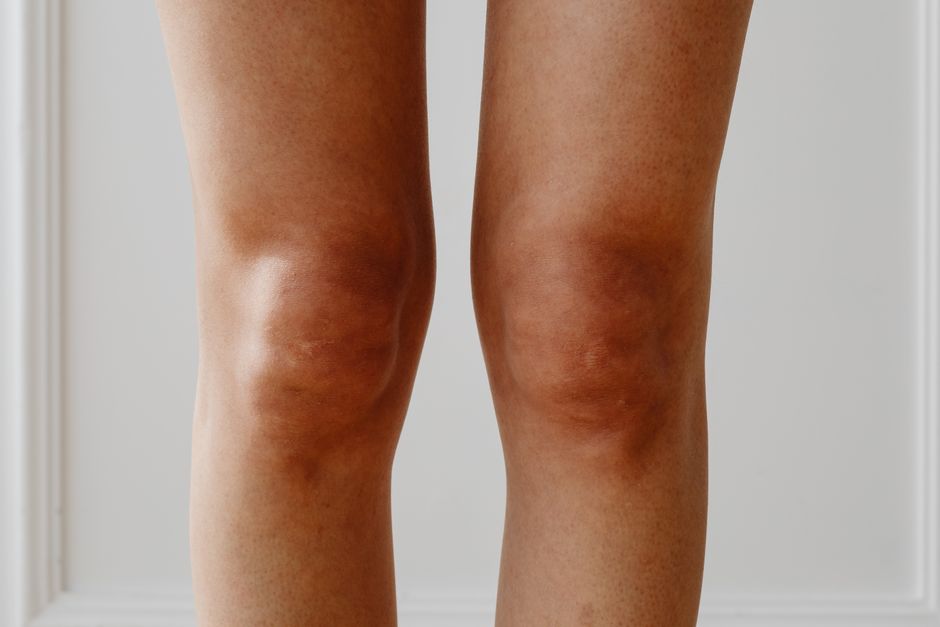
A knee that pops and hurts is usually telling you something about how the joint’s parts are moving against each other. The popping sound itself, called crepitus, is often harmless. Pain is the signal that matters. When the two happen together, it often points to a specific cause — cartilage wear, a meniscus tear, patellofemoral tracking problems, or loose tissue catching in the joint.
Why Does Your Knee Keep Popping And Hurting?
Knees pop for mechanical reasons. The joint is a complex hinge where the thigh bone, shin bone, and kneecap meet, cushioned by cartilage and stabilized by ligaments, tendons, and menisci. Anything that changes how those surfaces glide can create a sound.
Pain changes the picture. A painless pop is usually just gas escaping from joint fluid or a tendon snapping over a bony bump. A pop that hurts suggests tissue is being irritated, compressed, or torn. Doctors call this combination symptomatic crepitus, and it deserves a closer look.
The most common causes fall into a few categories:
- Patellofemoral pain syndrome. The kneecap doesn’t track smoothly in its groove. Popping and aching pain often show up when climbing stairs or sitting for long periods.
- Meniscus tears. The cartilage pads between the bones can tear from a twist or from age-related wear. A tear may cause a popping sensation plus pain, swelling, and catching.
- Osteoarthritis. Cartilage thins over time, roughening the joint surfaces. Grinding and popping sounds become more common as the disease progresses.
- Ligament or tendon issues. A loose or inflamed tendon can snap across the joint, producing a pop with activity.
- Loose bodies. Small fragments of cartilage or bone can float in the joint and catch between surfaces.
The sound alone doesn’t tell you which one is happening. Location, timing, and what makes the pain worse do most of the diagnostic work.
Is Popping In The Knee Always A Sign Of Something Serious?
No. Painless knee popping is extremely common and usually harmless. Many people have popping knees for decades with no joint damage.
Research on crepitus has found that the sound itself doesn’t reliably predict arthritis or injury. What matters is whether the popping comes with pain, swelling, locking, or giving way. Those symptoms point to something structural.
A useful rule: if the popping is painless and your knee feels stable, you probably don’t need to worry. If it hurts, swells, or the joint feels like it might buckle, that’s worth a medical evaluation.
One thing worth knowing — the cracking sound you hear when you deliberately crack your knuckles or knees is not damage happening. That sound comes from gas bubbles forming in the joint fluid, and research has not shown it causes arthritis.
What Causes The Popping Sound In The First Place?
Joint noise comes from a few different mechanisms, and they don’t all mean the same thing.
Cavitation is the classic crack. When a joint is stretched, pressure inside the fluid changes and dissolved gas forms a bubble. The bubble collapses with a pop. This is normal and painless.
Tendon snapping happens when a tendon glides over a bony prominence. The sound is often a soft thud or click, and it can be felt as much as heard.
Cartilage roughening produces a grinding or crunching sound, sometimes called crepitus. This is more common in joints where cartilage has worn down. It tends to be a continuous grind rather than a single pop.
Meniscus or loose body catching creates a sharper pop or click, often with a sensation of something moving inside the joint. This type is more likely to come with pain.
Knowing which type you have helps narrow down what’s going on. A single loud crack after sitting for a while is very different from a grinding crunch with every step.





When Should You See A Doctor About A Popping, Painful Knee?
See a doctor if the popping comes with any of these:
- Pain that limits walking, climbing stairs, or daily activity
- Swelling that appears within hours of an injury
- The knee locks, catches, or can’t fully straighten
- The knee gives way or feels unstable
- Pain that wakes you at night or doesn’t improve with rest
- Redness, warmth, or fever alongside the knee symptoms
Sudden swelling after a twist or impact needs prompt attention. That pattern often points to a ligament tear or meniscus injury, and early assessment can affect treatment options.
Chronic popping with mild aching that’s been stable for months is less urgent but still worth mentioning at a routine visit. A doctor can examine the joint, check for instability, and decide whether imaging is needed.
How Is The Cause Of A Popping, Painful Knee Diagnosed?
Diagnosis starts with a physical exam. A doctor will move your knee through its range of motion, check for fluid, test the ligaments, and feel for where the pain is worst.
Imaging may follow. X-rays show bone and joint space, which helps assess arthritis. MRI shows soft tissue — menisci, ligaments, and cartilage — and is often used when a tear is suspected.
Sometimes the diagnosis is clear from the exam alone. Other times, the picture is murkier and imaging adds needed detail. Not every painful popping knee needs an MRI.
Arthroscopy, a small camera inserted into the joint, is occasionally used when the diagnosis remains unclear or when surgery is being considered.
What Actually Helps A Knee That Pops And Hurts?
Treatment depends on the cause. There’s no single fix for every popping, painful knee.
For patellofemoral pain, physical therapy focused on strengthening the quadriceps and hip muscles is often the first step. Research consistently supports exercise therapy for this condition, though results vary from person to person.
For osteoarthritis, current guidance emphasizes exercise, weight management where relevant, and pain relief as needed. Some clinicians recommend corticosteroid injections for flare-ups, though the evidence on long-term benefit is mixed. Joint replacement is considered when pain and function are severely affected and other options haven’t helped.
For meniscus tears, treatment depends on the type and location. Some tears heal or become asymptomatic with conservative care. Others need surgery, especially if the knee locks or fails to improve.
For loose bodies or mechanical catching, arthroscopic removal is sometimes recommended. This is a case where surgery addresses a specific mechanical problem rather than general wear.
Across most causes, a few things tend to help:
- Strengthening the muscles around the knee and hip
- Low-impact activity like swimming or cycling instead of running on hard surfaces
- Maintaining a healthy weight to reduce load on the joint
- Avoiding activities that reliably trigger sharp pain
What doesn’t help is pushing through sharp pain or assuming the popping will resolve on its own if it’s been getting worse. Rest and ice can calm a flare-up, but they don’t fix the underlying issue.
Can You Prevent A Knee From Popping And Hurting?
You can’t prevent all knee problems, but you can lower the odds of some.
Keeping the muscles around the knee strong is the most reliable step. Weak quadriceps and hip muscles are linked to patellofemoral pain and may contribute to other knee issues.
Managing weight matters for osteoarthritis risk and progression. Excess body weight increases load on the knee joint with every step.
Avoiding sudden increases in activity helps prevent overuse injuries. Gradually building up mileage or intensity gives tendons and cartilage time to adapt.
Warming up before activity and using proper form during exercise reduce strain on the joint. These aren’t guarantees, but they’re reasonable precautions.
If you’ve had a knee injury before, staying consistent with strengthening and avoiding high-impact activity during flare-ups can help prevent recurrence.
Does The Popping Itself Damage The Knee Over Time?
The sound alone doesn’t cause damage. Popping that’s painless and stable isn’t grinding down your cartilage.
What can cause damage is the underlying process — if the popping comes from a torn meniscus that keeps catching, or from cartilage that’s already wearing down. In those cases, the noise is a symptom, not the cause.
This is an important distinction. People sometimes avoid movement because they’re worried the popping means damage is happening. That fear can lead to stiffness and weakness, which makes things worse. If the popping is painless, moving is generally better than avoiding it.
If the popping hurts, the pain is the signal to pay attention to — not the sound.
Frequently Asked Questions
Why does my knee pop when I bend it?
Bending the knee changes pressure inside the joint, which can release gas bubbles and cause a pop. It can also be a tendon snapping over a bony bump, which is also usually harmless if it doesn’t hurt.
Is knee popping a sign of arthritis?
Not by itself. Many people with painless popping have no arthritis, and many people with arthritis have no popping. Pain, stiffness, and swelling are more reliable signs than sound.
Should I worry if my knee pops and hurts?
Painful popping is worth a medical evaluation, especially if it comes with swelling, locking, or instability. A physical exam can usually narrow down the cause.
Can I stop my knee from popping?
If the popping is painless, there’s usually nothing to stop. If it’s linked to a specific condition like patellofemoral pain, strengthening the surrounding muscles may reduce it over time.
