
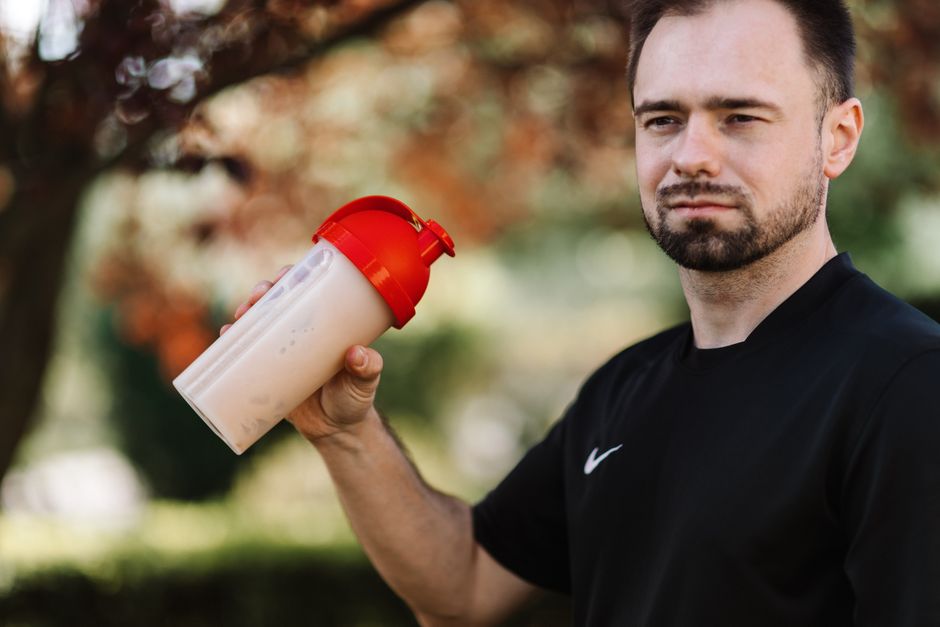
Protein powder is one of the most popular supplements in the world, but many people wonder if it actually works or if it is just clever marketing. The direct answer is yes, protein powder can make a real difference, but only under specific conditions. It helps you meet your daily protein needs, supports muscle recovery after exercise, and can simplify the process of getting enough protein. However, it is not magic. It is a food supplement, not a substitute for a solid diet, and its benefits depend entirely on your overall calorie intake, training routine, and personal health goals.
What Does Protein Powder Actually Do in Your Body?
Protein powder provides the same building blocks as the protein in chicken, eggs, or beans. When you digest it, your body breaks it down into amino acids. These amino acids are the raw materials your body uses to repair muscle tissue, build enzymes, and support immune function.
After a workout, your muscle fibers experience microscopic damage. Consuming protein provides the amino acids needed to rebuild those fibers, making them stronger over time. This process is called muscle protein synthesis. If you do not consume enough protein, your body cannot repair muscle as effectively, which can slow your progress in the gym.
Research consistently shows that total daily protein intake matters more than the exact source. Whether you get your protein from food or powder, your body uses it the same way. The advantage of powder is convenience and precision. It is easier to drink a shake than to cook a chicken breast, and you know exactly how many grams of protein you are getting.
How Much Protein Do You Really Need?
The average sedentary adult needs about 0.8 grams of protein per kilogram of body weight per day. For a 150-pound person, that is roughly 54 grams. Most Americans already meet this amount through their regular diet.
The picture changes if you are active. People who lift weights or do endurance exercise need more protein to support muscle repair and growth. Research generally suggests that active individuals benefit from 1.6 to 2.2 grams per kilogram of body weight per day. For that same 150-pound person, this means 109 to 150 grams daily.
This is where protein powder becomes genuinely useful. Hitting 150 grams of protein from whole food alone takes planning and effort. A single scoop of whey protein typically provides 20 to 25 grams. Adding one or two shakes per day makes hitting that higher target realistic for most people.
Older adults also have higher protein needs. Age-related muscle loss, called sarcopenia, begins around age 40. Current evidence suggests that adults over 60 may need more protein than younger adults to maintain muscle mass and function. Some clinical guidelines recommend 1.2 grams per kilogram or higher for this population, though individual needs vary.
Does Protein Powder Help You Build Muscle?
Yes, but with an important qualification. Protein powder only helps build muscle if you are also doing resistance training. The combination of strength training and adequate protein intake is what drives muscle growth. Protein alone does not build muscle.
Studies have found that supplementing with protein powder alongside a resistance training program leads to greater gains in muscle mass compared to training without supplementation. The effect is most noticeable in people who are not already consuming enough protein from food.
If you are already eating 150 grams of protein daily from whole foods, adding a shake will not produce extra muscle. Your body can only use so much protein at a time. Consuming more than your body needs simply gets converted to energy or stored as fat. The benefit of protein powder appears when it closes a gap between what you eat and what your body requires.
Timing also matters, but not as much as supplement companies suggest. The old idea of an “anabolic window” of 30 minutes after a workout has been largely revised. Current evidence indicates that total daily protein intake is the primary driver of muscle growth. Eating protein within a few hours after exercise is beneficial, but you do not need to drink a shake within minutes of finishing your last rep.





Can Protein Powder Help With Weight Loss?
Protein powder can support weight loss, but it is not a fat burner. It works through several indirect mechanisms that make weight management easier.
Protein is the most satiating macronutrient. It keeps you feeling full longer than carbohydrates or fat. Replacing a high-carb breakfast with a protein shake can reduce hunger later in the day, which may lead to lower overall calorie intake.
Protein also has a higher thermic effect than other nutrients. Your body burns more calories digesting protein than it does digesting carbs or fat. This effect is real but modest. It is not enough to cause significant weight loss on its own.
The more meaningful effect is muscle preservation. When you lose weight, you lose both fat and muscle. Higher protein intake helps preserve lean muscle mass during calorie restriction. Maintaining muscle keeps your metabolic rate higher, which makes it easier to sustain weight loss over time.
One caution: protein shakes are not automatically low-calorie. Many commercial shakes contain added sugar and can pack 300 or more calories per serving. If you are using protein powder for weight loss, read the label. Look for products with minimal added sugar and count the shake as part of your daily calorie budget.
Whey, Casein, or Plant-Based: Does the Type Matter?
The main types of protein powder are whey, casein, and plant-based options like pea, soy, or rice protein. For most people, the differences matter less than marketing suggests.
Whey protein is digested quickly and contains all nine essential amino acids. It has the most research behind it and is generally considered the gold standard for muscle building. Casein protein digests more slowly, which makes it a popular choice before bed, though the evidence that this timing provides additional benefit is limited.
Plant-based proteins can be just as effective as whey when consumed in adequate amounts. Some plant proteins, like rice protein, are lower in certain amino acids. However, most commercial plant-based blends combine multiple sources to create a complete amino acid profile. Research shows that pea protein, for example, supports muscle growth comparably to whey when total protein intake is matched.
Your choice should be guided by dietary preference and tolerance. If you are lactose intolerant, whey isolate or plant-based options are better choices than whey concentrate. If you are vegan, plant-based protein is the obvious option. If you have no dietary restrictions, whey is a reasonable and well-studied choice.
Are There Any Risks or Downsides?
Protein powder is generally safe for healthy adults. The main risks are not from the protein itself but from what comes with it.
Some protein powders contain added ingredients like artificial sweeteners, thickeners, and flavorings that can cause digestive discomfort. Others may contain contaminants. Independent testing has found that some products contain heavy metals or undeclared ingredients, though this is not true of all brands. Choosing products that are third-party tested can reduce this risk.
People with kidney disease need to be careful with high protein intake. Healthy kidneys handle extra protein without issue, but damaged kidneys may struggle to filter the byproducts of protein metabolism. If you have kidney disease, talk to your doctor before adding protein powder to your routine.
Protein powder is not a meal replacement. It lacks the fiber, vitamins, and phytonutrients found in whole foods. Using it occasionally to supplement your diet is fine, but relying on it as a primary food source is not a balanced approach to nutrition.
Does the Brand or Price Matter?
Price does not determine effectiveness. A basic whey protein concentrate from a reputable brand works just as well as an expensive “premium” product. The difference is usually in flavor, mixability, and added ingredients.
What matters more is the ingredient list. Look for a product where protein is the primary ingredient and added sugar is low. A scoop should contain 20 to 30 grams of protein. Products with long lists of proprietary blends, fillers, or artificial additives are not necessarily better.
Third-party testing certifications like NSF Certified for Sport or Informed Choice indicate that the product has been tested for banned substances and contaminants. This is especially important if you are a competitive athlete subject to drug testing.
When Should You Consider Using Protein Powder?
Protein powder makes sense in specific situations. It is useful if you struggle to meet your protein needs through food alone. This includes busy people who skip meals, older adults with reduced appetites, and athletes with high protein requirements.
It is also practical for post-workout recovery when you do not have time to prepare a full meal. A shake is portable, quick, and easy to digest.
It does not make sense if you already eat a high-protein diet. If you regularly consume eggs, meat, fish, dairy, and legumes throughout the day, adding a shake is unlikely to provide additional benefit. It would simply add calories you may not need.
Protein powder is a tool, not a requirement. It can help you reach your goals, but it is not necessary for health or fitness. Many people build muscle and maintain health without ever touching a scoop.
Frequently Asked Questions
Is protein powder safe to take every day?
Yes, protein powder is safe for healthy adults to consume daily as part of a balanced diet. However, it should supplement your diet, not replace whole foods.
Will protein powder make me gain weight?
Protein powder can contribute to weight gain if it pushes your total calorie intake above what you burn. It does not cause weight gain on its own.
Do I need protein powder if I do not work out?
No, you likely do not need it if you are sedentary and already eat a normal diet. Most people meet basic protein needs through food alone.
How quickly after a workout should I drink a protein shake?
Within a few hours is fine for most people. Total daily protein intake matters more than precise timing around your workout.
