
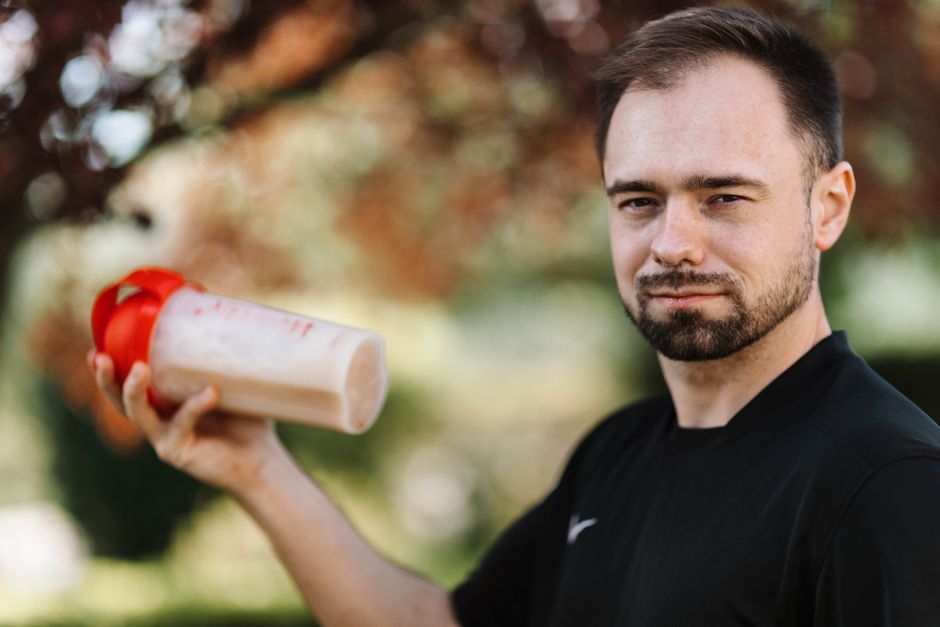
Soy protein isolate is a highly refined form of protein extracted from defatted soybean flakes. The process strips away the carbohydrates, fats, and fiber, leaving a powder that is roughly 90% protein. It is not a whole food; it is a processed ingredient used in protein powders, shakes, and meat alternatives.
What Are the First Steps in Making Soy Protein Isolate?
The process starts with whole soybeans that have been cleaned and dehulled. The beans are then rolled into flakes to make them easier to process. These flakes are treated with a solvent, usually hexane, to remove the soybean oil.
After the oil is extracted, the defatted flakes are processed to remove the sugars and dietary fiber. This step creates a concentrated soy protein base. At this stage, the material is often called soy flour or soy concentrate, depending on how much protein it contains.
This initial processing is similar to how many other vegetable oils are made. The goal here is simply to isolate the protein-rich portion of the bean from everything else.
How Is the Protein Separated From the Rest of the Bean?
The defatted flakes go through a water or mild alkaline extraction process. The flakes are mixed with water, and the pH is adjusted. This causes the soluble proteins to dissolve into the liquid while the insoluble carbohydrates and fiber settle out.
The liquid, now containing the dissolved soy protein, is separated from the solid residue. This separation is typically done through centrifugation or filtration. The remaining liquid is then treated with acid to lower its pH to about 4.5.
At this acidic pH, the soy protein precipitates out of the liquid as a solid curd. This is a critical step. The protein forms a solid mass that can be easily collected, while the remaining sugars and other components stay dissolved in the liquid.
What Happens After the Protein Curd Is Collected?
The precipitated protein curd is washed to remove any residual impurities and off-flavors. Washing helps improve the taste and color of the final product. The curd is then neutralized with a food-grade alkali to bring the pH back to a normal range.
Next, the neutralized protein slurry is dried. Spray drying is the most common method. The liquid is sprayed into a hot chamber, where the water evaporates instantly, leaving behind a fine, dry powder.
The final product is a bland, off-white powder that is highly concentrated protein. It is nearly flavorless on its own, which is why it is often added to flavored shakes and bars.

What Is the Nutritional Profile of Soy Protein Isolate?
Soy protein isolate is a complete protein. It contains all nine essential amino acids that the human body cannot make on its own. This makes it one of the few plant proteins comparable in quality to animal proteins like whey or casein.
The protein content is very high. Most commercial isolates are around 90% protein by dry weight. They contain very little fat, almost no carbohydrates, and minimal fiber.
Because it is so refined, soy protein isolate also loses some of the other nutrients found in whole soybeans. Isoflavones, which are plant compounds often associated with soy, are largely removed during the washing and extraction steps. The amount left in the final isolate varies by manufacturer and process.
Is Soy Protein Isolate the Same as Textured Soy Protein?
No. They are different products made through different processes. Soy protein isolate is a fine powder used for its high protein concentration and smooth texture in liquids.
Textured soy protein, often called TVP (textured vegetable protein), is made from soy flour or soy concentrate. It is processed through an extruder, which uses heat and pressure to create a fibrous, chewy texture that mimics meat. It is usually rehydrated before cooking.
Both come from soybeans, but they serve different purposes. Isolate is for protein fortification and smooth shakes. Textured protein is for replacing ground meat in recipes like chili or tacos.
Are There Health Concerns With Soy Protein Isolate?
Soy is one of the most studied foods. The FDA previously allowed a health claim stating that soy protein may reduce the risk of heart disease. However, the evidence was reviewed over time, and the FDA proposed revoking that claim in 2017 because the results of newer studies were inconsistent.
This does not mean soy is harmful. It means the specific claim about heart disease risk reduction is no longer supported strongly enough for an official health claim.
Concerns about soy and hormones are common. Soy contains isoflavones, which are phytoestrogens. These plant compounds can bind to estrogen receptors in the body, but they act much weaker than human estrogen. Most clinical research has found that moderate consumption of soy foods does not cause hormonal problems in men or women.
The evidence on soy and thyroid function is also frequently discussed. Some studies suggest that very high intakes of soy could interfere with thyroid hormone absorption in people with existing thyroid conditions. For healthy individuals eating normal amounts, no significant clinical impact has been established.
Who Should Be Careful With Soy Protein Isolate?
People with a diagnosed soy allergy must avoid soy protein isolate entirely. Soy is one of the major food allergens, and the protein is the part that triggers the allergic reaction. The isolate is highly concentrated protein, so it is not safe for anyone with a soy allergy.
People with thyroid disease who take levothyroxine should be aware of potential interactions. Soy can interfere with the absorption of this medication. The common clinical guidance is to take the medication on an empty stomach and separate it from soy-containing foods by several hours.
For everyone else, soy protein isolate is generally recognized as safe by the FDA. It is a widely used food ingredient with a long history of consumption in the United States and globally.
How Does Soy Protein Isolate Compare to Other Protein Powders?
Soy protein isolate is often compared to whey protein and pea protein. Each has different characteristics in terms of nutrition, digestibility, and cost.
Whey protein is a complete protein derived from milk. It digests quickly and is rich in leucine, an amino acid that strongly stimulates muscle protein synthesis. Soy protein also contains all essential amino acids, but its leucine content is lower than whey.
Pea protein is another plant option. It is also a complete protein, but it is lower in certain amino acids like methionine. Many plant-based blends combine pea and rice protein to create a more balanced amino acid profile.
Soy protein isolate is generally less expensive than whey and pea protein. It also has a neutral flavor profile that blends well in many applications. However, some people prefer pea or rice protein because they are less processed than soy isolate.
What Should You Look for When Buying Soy Protein Isolate?
Check the ingredient list. Some soy protein isolate products are mixed with added sugars, artificial sweeteners, flavors, and fillers. If you want a pure product, look for one with a single ingredient: soy protein isolate.
Consider the source. Soybeans are one of the most commonly genetically modified crops in the United States. If you prefer to avoid GMOs, look for products labeled non-GMO or certified organic. Organic soy is grown without synthetic pesticides and fertilizers.
Be aware that the term “isolate” means the protein has been highly purified. This is different from soy protein concentrate, which is about 70% protein, or whole soy foods like tofu and edamame, which contain all the natural components of the bean.
Frequently Asked Questions
Is soy protein isolate bad for men?
No clinical evidence shows that soy protein isolate feminizes men or lowers testosterone. Studies have not found significant hormonal effects from moderate soy consumption in men.
Does soy protein isolate contain GMOs?
Most soy grown in the US is genetically modified, but the isolate itself is not inherently GMO. You can find non-GMO and organic versions if you check the label.
Can soy protein isolate cause digestive issues?
Some people experience bloating or gas when consuming soy protein, especially in large amounts. This is usually due to the fiber content or individual sensitivity, not the protein itself.
Is soy protein isolate safe for people with thyroid problems?
It may interfere with thyroid medication absorption, so it should be taken separately from levothyroxine. For people with healthy thyroid function, no significant clinical issues have been established.
