
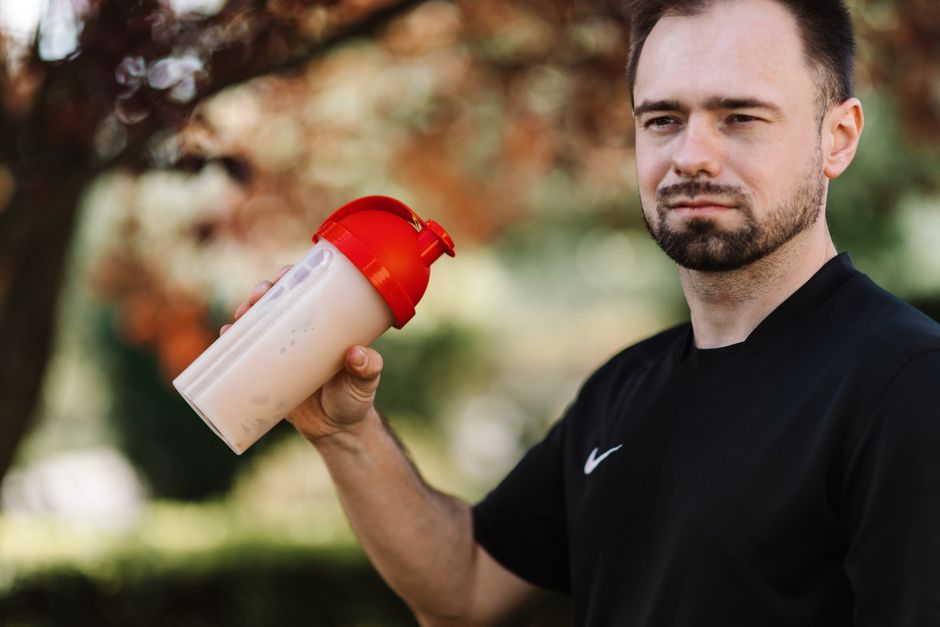
Protein powder is a convenient way to add more protein to your day, but drinking the same plain shake can get boring quickly. The best mix-ins for protein powder are those that improve taste, texture, and nutrition without turning your shake into a dessert. Milk, fruit, nut butters, and greens are reliable choices that blend well and deliver real benefits. The key is choosing ingredients that complement the powder’s flavor and help you meet your nutritional goals.
What To Use With Protein Powder Best Mix Ins
The best mix-ins depend on what you want from your shake. If you want better texture, add ice or frozen fruit. If you want more fullness, add a healthy fat like nut butter or chia seeds. If you want more fiber, add oats or leafy greens. Start with a liquid base, then build from there.
Your liquid base matters as much as the mix-ins. Water keeps calories low but makes the shake thinner. Milk adds creaminess, protein, and calcium. Unsweetened almond milk is a low-calorie option that blends smoothly. Greek yogurt as a base adds thickness and a protein boost, but it changes the flavor profile.
What Fruits Blend Best With Protein Powder
Frozen fruit is the most reliable mix-in for texture and flavor. Frozen bananas create a thick, milkshake-like consistency that masks the taste of almost any protein powder. Berries — strawberries, blueberries, raspberries — add natural sweetness and antioxidants without needing added sugar.
Mango and pineapple work well with vanilla or unflavored powders. They add tropical flavor and pair nicely with coconut water or milk. Citrus fruits like oranges do not blend as well because their pulp separates and the acidity can curdle dairy-based liquids.
Fresh fruit works, but frozen fruit gives a better texture. The ice crystals break down during blending and create a thicker shake. If you use only fresh fruit, add a handful of ice cubes to achieve a similar consistency.
Which Nut Butters and Seeds Add the Most Value
Peanut butter is the classic choice. It adds healthy fats, a creamy texture, and pairs well with chocolate or vanilla protein powders. Almond butter is slightly lighter in flavor and works well with berry or unflavored powders.
Chia seeds and ground flaxseed add fiber and omega-3 fatty acids. They do not change the flavor much, but they do thicken the shake over time. If you add chia seeds, let the shake sit for five minutes after blending so they can absorb liquid and swell.
Nut butters add calories. A typical serving of peanut butter contains roughly 190 calories. If you are using protein powder for weight management, measure your nut butter rather than scooping it freely.





Can You Add Vegetables to Protein Shakes
Yes. Spinach and kale are the most common choices because their flavors are mild and easily masked by fruit. A handful of raw spinach adds vitamins, minerals, and fiber without changing the taste noticeably when blended with banana or berries.
Frozen cauliflower is a newer trend. It adds creaminess and volume with very little flavor. Some people use it to make shakes thicker without adding bananas or oats. The texture is similar to a smoothie made with frozen fruit.
Do not add raw beets or carrots without cooking them first. They remain gritty and earthy-tasting even after blending. Cooked and cooled sweet potato, however, blends into a smooth, slightly sweet shake that pairs well with cinnamon and vanilla protein.
What Grains and Carb Sources Work in Shakes
Rolled oats are a reliable choice. They add fiber, slow-digesting carbohydrates, and thickness. Use old-fashioned rolled oats rather than steel-cut oats, which stay crunchy even after blending. Quick oats blend more easily but have a finer texture.
Blend oats dry first before adding other ingredients. This creates a fine flour that mixes more smoothly into the shake. Adding oats whole can leave small gritty pieces.
Cooked quinoa and rice are less common but work well. They add a neutral flavor and a creamy texture when blended thoroughly. They work best in shakes meant as meal replacements rather than quick post-workout drinks.
Which Liquids Give the Best Consistency
Dairy milk gives the creamiest shake and adds about 8 grams of protein per cup. Whole milk is richer but adds more calories and saturated fat. Skim or low-fat milk keeps the protein high while cutting calories.
Unsweetened almond milk is the lowest-calorie option at roughly 30 to 40 calories per cup. It blends well but produces a thinner shake. Oat milk is creamier than almond milk and adds natural sweetness, but it contains more carbohydrates.
Coconut water adds electrolytes and a light sweetness. It works well with tropical fruit flavors but does not create a creamy texture. If you use coconut water, expect a thinner, more refreshing drink rather than a thick shake.
How to Use Protein Powder Without a Shaker Bottle
If you do not have a blender, you can still make a decent shake. A shaker bottle with a metal whisk ball works fine for powder and liquid, but it will not break down frozen fruit or nut butters. Use a fine-mesh strainer to sift the powder into the liquid first to prevent clumps.
For thicker mix-ins like banana or avocado, mash them with a fork before adding them to the shaker. This is not as smooth as blending, but it works in a pinch. The texture will be chunkier, and some pieces may float.
A regular blender is the best tool for most mix-ins. It handles frozen fruit, greens, oats, and nut butters easily. If you make shakes regularly, a blender is worth the investment.
What Not to Mix With Protein Powder
Carbonated drinks do not work. The bubbles cause the powder to foam excessively, and the carbonation makes the shake fizzy and unpleasant. Avoid soda, sparkling water, and carbonated energy drinks as bases.
Very acidic juices like grapefruit or lemon juice can cause dairy-based protein powders to curdle. If you want juice in your shake, use a plant-based protein powder or a non-dairy liquid base.
Raw eggs are a serious safety risk. Some people add raw eggs to shakes for extra protein, but the risk of salmonella infection is real. Cooked egg whites are safe, but they can make the shake rubbery and unpleasant in texture.
How to Build a Better Shake Step by Step
Start with liquid first. Add 8 to 12 ounces of your chosen base. Then add your protein powder. This order prevents powder from sticking to the bottom of the blender.
Add frozen ingredients next. Frozen fruit, ice, or frozen spinach all go in after the powder. Then add your thickeners like oats, nut butter, or chia seeds. Blend on high for 30 to 60 seconds until smooth.
Taste before you commit to a full serving. Flavors concentrate as you add more ingredients. A pinch of salt or cinnamon can balance sweetness without adding calories. Adjust thickness by adding more liquid a little at a time.
Frequently Asked Questions
Can I mix protein powder with just water?
Yes, water works fine as a base, but the shake will be thinner and less creamy than one made with milk. Water is the lowest-calorie option and works best with flavored protein powders that do not need masking.
What is the best fruit to put in a protein shake?
Frozen bananas are the most reliable choice because they add thickness and natural sweetness. Berries are a good alternative if you want lower sugar and more antioxidants.
Can I put protein powder in coffee?
Yes, but mix the powder with a small amount of cold liquid first to make a paste before adding hot coffee. Adding powder directly to hot coffee causes clumping.
Is it safe to add raw eggs to protein shakes?
No, raw eggs carry a risk of salmonella infection and are not recommended. Use pasteurized egg whites or cooked eggs instead if you want to add egg protein.
