
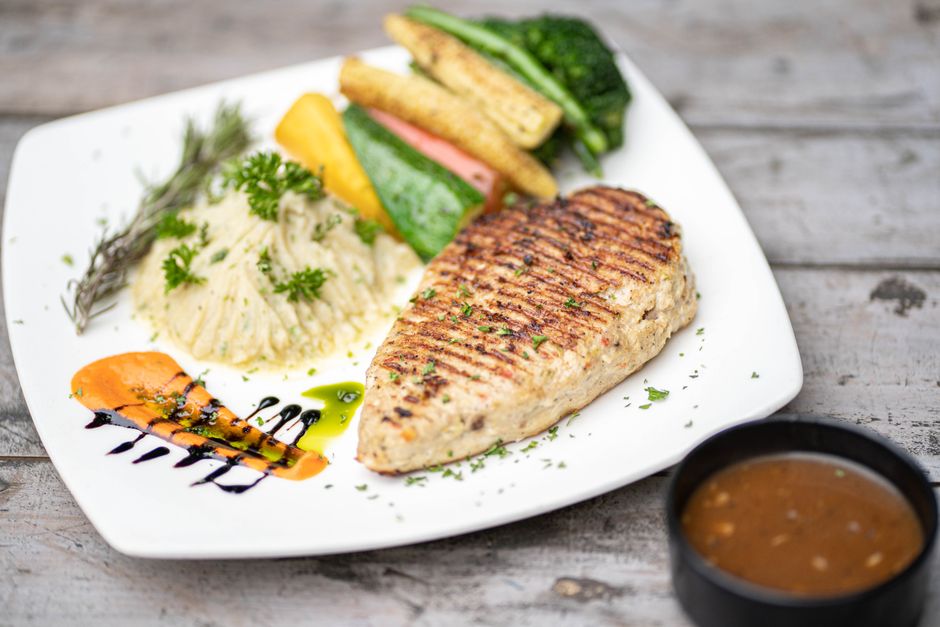
If you are comparing skinless chicken breast to a typical steak, chicken has more protein per serving. A 100-gram portion of cooked chicken breast delivers roughly 31 grams of protein, while the same size portion of cooked steak provides about 25 to 27 grams. The difference is real, but it is not enormous, and both are considered excellent sources of complete protein.
How Do Chicken and Steak Compare by the Numbers?
Protein content depends heavily on the specific cut and how it is prepared. Comparing a lean chicken breast to a fatty ribeye is not a fair fight. The leaner the meat, the more protein it contains per gram because there is less fat taking up space.
Here is a practical comparison based on standard USDA data for cooked meat:
- Chicken breast (skinless, roasted): About 31 grams of protein per 100 grams.
- Chicken thigh (skinless, roasted): About 26 grams of protein per 100 grams.
- Beef sirloin (broiled): About 29 grams of protein per 100 grams.
- Beef ribeye (broiled): About 24 grams of protein per 100 grams.
- Beef flank steak (broiled): About 28 grams of protein per 100 grams.
The takeaway is simple. Chicken breast is the single highest-protein option on this list. But a lean cut of steak like sirloin is very close behind. The gap between chicken breast and lean steak is only a few grams per serving.
Does the Cut of Meat Matter More Than the Animal?
Yes. The animal matters less than the specific cut you choose. A lean cut of beef can easily match or beat a fattier cut of chicken.
For example, chicken thighs with the skin left on contain more fat and slightly less protein than a lean beef sirloin. If you are choosing purely for protein density, the leanest cut always wins, regardless of whether it comes from a cow or a bird.
This matters for meal planning. If you prefer steak but assumed chicken was always superior for protein, you can choose a leaner beef cut and close the gap almost entirely.
What About Fat and Calories?
Protein is not the only factor worth considering. Steak generally contains more saturated fat than chicken breast. This is well established in nutritional research.
A 100-gram serving of roasted chicken breast contains about 3.6 grams of total fat and roughly 165 calories. The same serving size of broiled sirloin steak contains about 8 grams of fat and around 200 calories. Ribeye is higher still, with closer to 20 grams of fat per 100 grams.
This does not mean steak is unhealthy. Red meat provides iron, zinc, and B vitamins in higher amounts than chicken. But if you are watching saturated fat intake for cardiovascular health, chicken breast is the leaner choice.
Is the Protein Quality Different Between Chicken and Steak?
Both chicken and steak are complete proteins. That means each contains all nine essential amino acids your body cannot make on its own.
The amino acid profiles are slightly different, but for practical purposes this does not matter for most people. Your body breaks down the protein into amino acids and uses them for muscle repair, enzyme production, and countless other functions. Both meats support these processes effectively.
Some research suggests beef contains higher levels of certain amino acids like leucine, which plays a direct role in stimulating muscle protein synthesis. The difference is small and unlikely to affect outcomes for most people eating a balanced diet. Both chicken and steak are high-quality protein sources.
Which One Is Better for Building Muscle?
For muscle building, the total daily protein intake matters more than the specific source. Research consistently shows that consuming adequate total protein across the day is the primary dietary factor for muscle growth.
Both chicken and steak can help you reach your protein targets. The choice between them should come down to your overall dietary needs and preferences.
If you are trying to maximize protein while minimizing calories and fat, chicken breast is the better option. If you are managing iron levels or simply prefer the taste of beef, lean steak is a perfectly good choice. The protein difference is not large enough to be the deciding factor for most people.
How Much Protein Do You Actually Need?
Understanding your protein needs helps put this comparison in context. The Recommended Dietary Allowance for protein is 0.8 grams per kilogram of body weight per day for the average adult. For a person weighing 70 kilograms (about 154 pounds), that is roughly 56 grams of protein daily.
However, this is the minimum needed to prevent deficiency, not the optimal amount for everyone. People who are physically active or trying to build muscle often aim for 1.6 to 2.2 grams per kilogram of body weight per day. Some research supports these higher targets for athletic populations.
For most people, a single serving of chicken or steak covers a substantial portion of daily protein needs. A 150-gram serving of chicken breast provides about 46 grams of protein. The same serving of sirloin steak provides around 43 grams.
Does Cooking Method Change the Protein Content?
Cooking method does not significantly change the protein content of meat. The protein molecules remain intact through normal cooking temperatures.
What cooking does change is weight. Meat loses water as it cooks, so 100 grams of raw meat becomes roughly 75 grams of cooked meat. This is why protein values for cooked meat are higher per 100 grams than for raw meat — the water weight is gone.
Frying or cooking with added fats will increase the calorie content of the final dish without changing the protein. Grilling, baking, roasting, and broiling are all fine methods that preserve protein content.
What About Processed Versions Like Steak and Chicken Products?
Processed meats are a different story. Chicken nuggets, breaded cutlets, and marinated steak products often contain added fillers, breading, or sodium solutions that dilute the protein content.
A breaded chicken patty may contain significantly less protein per 100 grams than a plain chicken breast because the breading adds carbohydrates and fat without adding protein. Similarly, some steak products are injected with saline solutions to increase weight, which lowers the protein percentage.
If you are tracking protein intake, check the nutrition label on packaged products. Whole, unprocessed cuts of meat are the most reliable sources of protein.
So Which Should You Choose?
For pure protein density, chicken breast wins. It is the leanest, highest-protein option commonly available.
For overall nutrition, the answer depends on your needs. Steak provides more iron and zinc. Chicken breast provides high protein with less saturated fat. Both are healthy choices when consumed as part of a balanced diet.
If you enjoy both meats, there is no reason to limit yourself to one. Alternating between them provides variety in nutrients and flavors. The protein difference is modest enough that your personal preference can reasonably guide the decision.
Frequently Asked Questions
Is chicken or steak better for protein per calorie?
Chicken breast is better for protein per calorie because it contains less fat than most cuts of steak. A lean sirloin steak is the closest beef option but still contains more calories per gram of protein.
Does steak have more protein than chicken thighs?
Lean steak generally has slightly more protein than chicken thighs. A 100-gram serving of cooked chicken thigh provides about 26 grams of protein, while the same serving of sirloin steak provides about 29 grams.
Can I eat steak every day for protein?
You can, but health organizations generally recommend limiting red meat consumption due to saturated fat content and potential health risks. Alternating steak with chicken, fish, and plant proteins is a more balanced approach.
Which meat has the highest protein content overall?
Chicken breast is among the highest-protein meats available, with about 31 grams per 100 grams cooked. Turkey breast is similar, and very lean cuts of beef like top round can also reach around 30 grams per 100 grams.
