

Oatmeal is a great start to the day, but it is not a complete protein on its own. To make it complete without protein powder, you simply need to add foods that contain the missing amino acids. The most effective way is to combine oats with a plant-based food like soy milk, chia seeds, or nuts, or to add a dairy product like milk or Greek yogurt. These additions supply the amino acid lysine, which oats lack, turning your bowl into a full protein package.
What Makes a Protein “Complete”?
Proteins are built from smaller pieces called amino acids. Your body needs 20 different amino acids to function. Nine of these are called “essential” because your body cannot make them on its own. You must get them from food.
A complete protein contains all nine essential amino acids in adequate amounts. Animal foods like meat, eggs, and dairy are naturally complete. Most plant foods are not. They are “incomplete” because they are low in one or more essential amino acids.
Oats are a good source of protein, but they are low in the amino acid lysine. That is the single missing piece. The fix is simple: pair oats with a food that is rich in lysine.
How To Make Oatmeal A Complete Protein Without Powder: The Best Additions
You do not need a complicated formula. You just need to add a lysine-rich food to your bowl. Here are the most reliable options.
Milk and Dairy
Dairy is the simplest solution. Cow’s milk is a complete protein on its own. When you cook your oats in milk instead of water, you immediately raise the protein quality of the meal. A cup of milk adds about 8 grams of protein and all the lysine you need.
Greek yogurt is even better. Stirring a few spoonfuls into warm oatmeal adds creaminess and a significant protein boost. It also adds probiotics, which support gut health. Use plain yogurt to avoid added sugars.
Soy Milk
Soy milk is the only plant-based milk that is a complete protein. It contains all nine essential amino acids. Cooking your oats in soy milk is an effective way to make the meal complete without any animal products.
Soy is also rich in lysine, which directly compensates for what oats lack. This combination is well studied and reliable. Choose unsweetened soy milk to control your sugar intake.
Chia Seeds and Hemp Seeds
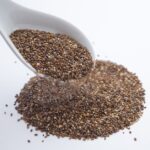
Chia seeds are a concentrated source of plant protein. They are also high in lysine. Just two tablespoons of chia seeds add about 4 grams of protein and enough lysine to balance a bowl of oats.
Hemp seeds work similarly. They are complete proteins on their own and add a mild, nutty flavor. Two tablespoons provide about 6 grams of protein. Both options also add healthy fats and fiber, which slow digestion and keep you full longer.
Nut Butters
Peanut butter, almond butter, and other nut butters are rich in protein and lysine. A tablespoon or two stirred into hot oatmeal adds flavor, creaminess, and a meaningful protein boost.
Nut butters are calorie-dense, so portion control matters if you are watching your weight. But as a protein source, they are a solid plant-based option.
Protein Content: What You Actually Get
It helps to see the numbers. The table below shows approximate protein amounts for common oatmeal additions. These are based on standard USDA nutritional data.
| Addition | Amount | Protein Added |
|---|---|---|
| Oats (dry) | 1/2 cup | 5 grams |
| Milk (2%) | 1 cup | 8 grams |
| Soy milk | 1 cup | 7 grams |
| Greek yogurt | 1/2 cup | 10 grams |
| Chia seeds | 2 tablespoons | 4 grams |
| Hemp seeds | 2 tablespoons | 6 grams |
| Peanut butter | 2 tablespoons | 7 grams |
These numbers are approximate and vary slightly by brand. The key takeaway is that a bowl of oats with milk or soy milk easily reaches 15 grams of protein or more. That is a solid meal for breakfast.



Does the Combination Actually Matter?
Yes, but not in the way many people think. The old idea of “protein combining” suggested you had to eat complementary proteins at the same meal for them to work. That idea has been updated.
Research now shows that your body pools amino acids from foods eaten throughout the day. You do not need to perfectly balance every single meal. You just need to eat a variety of protein sources over the course of a day.
That said, making your oatmeal complete at breakfast is still a good idea. It ensures you start the day with a high-quality protein meal. It also helps with satiety. Protein is the most filling macronutrient, so a complete-protein breakfast will keep you satisfied until lunch.
Simple Recipe Ideas
Here are three easy ways to apply this information. Each one makes a complete protein breakfast without any powder.
Classic Milk Oatmeal
Cook 1/2 cup of rolled oats in 1 cup of milk. Add a pinch of salt. Top with sliced banana and a sprinkle of cinnamon. This is the simplest complete-protein oatmeal. It is hard to beat.
Soy and Chia Bowl
Cook 1/2 cup of oats in 1 cup of soy milk. Stir in 1 tablespoon of chia seeds while the oatmeal is still hot. Top with berries and a drizzle of honey. This is a vegan option that is fully complete.
Peanut Butter and Yogurt Bowl
Cook 1/2 cup of oats in water. Stir in 1 tablespoon of peanut butter and 1/2 cup of Greek yogurt. The yogurt cools the oatmeal and makes it creamy. Top with sliced apple or a few dark chocolate chips.
These recipes are starting points. Once you understand the principle, you can improvise. The principle is simple: oats need lysine. Add a lysine-rich food and you are done.
What About Eggs?
Eggs are a complete protein, and they work well with savory oatmeal. A soft-boiled egg on top of oatmeal with a little soy sauce and green onion is a common breakfast in some cultures. It is an excellent way to add protein.
If you prefer sweet oatmeal, you can still add an egg. Stir a beaten egg into hot oatmeal while it cooks. It creates a custard-like texture similar to rice pudding. This is a traditional method in some European countries.
Eggs add about 6 grams of protein each. They also provide choline, which supports brain health. This is a versatile option if you are tired of sweet breakfasts.
Is There a Downside to Adding Protein?
Adding protein to oatmeal is generally safe and healthy. The only real concern is calories. Nut butters, seeds, and full-fat dairy add calories quickly. If you are trying to lose weight, measure your portions.
Another consideration is digestion. Some people find that high-protein breakfasts sit heavy in their stomach. If that happens to you, start with a smaller protein addition and build up gradually.
There is also the question of added sugar. Flavored yogurts and sweetened nut milks often contain significant sugar. Choose plain, unsweetened versions whenever possible. Your body will thank you.
Frequently Asked Questions
Does oatmeal and milk make a complete protein?
Yes. Milk is a complete protein and provides the lysine that oats lack. Cooking oats in milk creates a complete protein meal.
Can you make oatmeal a complete protein without dairy?
Yes. Soy milk, chia seeds, hemp seeds, and nut butters all work. Soy milk is the most reliable option because it is a complete protein on its own.
How much protein is in a bowl of oatmeal with milk?
A bowl made with 1/2 cup of dry oats and 1 cup of milk contains about 13 grams of protein. Adding Greek yogurt or nuts increases that amount further.
Is peanut butter in oatmeal a complete protein?
Yes, when combined. Peanut butter is rich in lysine, which complements the amino acid profile of oats. Together they form a complete protein.
