
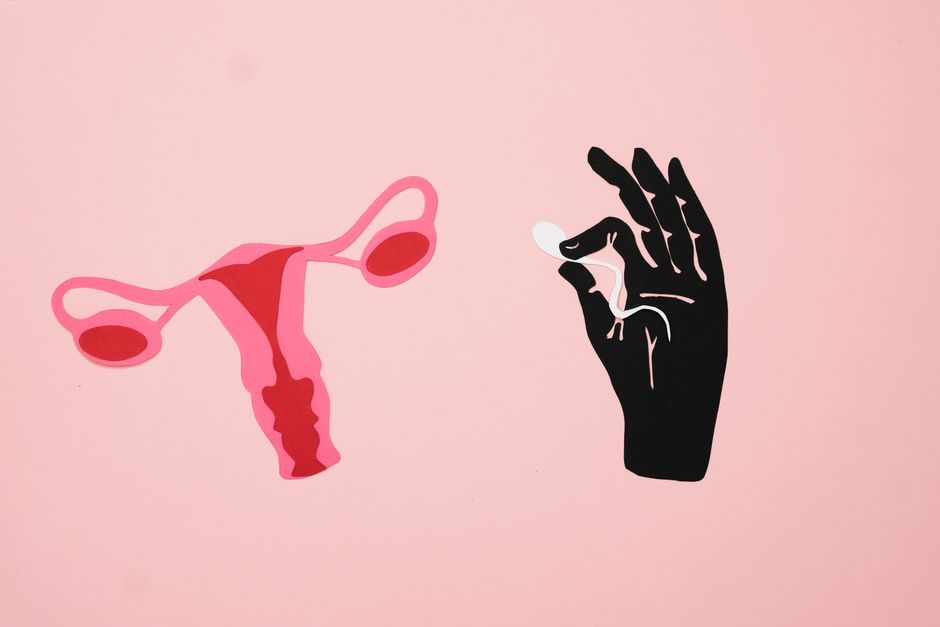
Yes, polycystic ovary syndrome (PCOS) can cause hair loss, but it is not a direct effect of the ovarian cysts themselves. The hair thinning is driven by the hormonal imbalances that come with PCOS, particularly elevated androgen levels. This type of hair loss, called female pattern hair loss or androgenic alopecia, is common in women with PCOS. But not every woman with PCOS will lose hair, and the severity varies widely. Understanding the real connection helps you separate fact from the many myths floating around online.
Does PCOS Actually Cause Hair Loss or Is It Something Else?
The short answer is yes, PCOS is a known cause of hair thinning in women. But the phrase “polycystic ovaries cause hair loss” is technically a shortcut that misses the real mechanism. The ovaries themselves, even with many small follicles, do not directly trigger hair shedding. What happens is that the hormonal environment in PCOS includes higher than normal levels of androgens like testosterone and its more potent form, dihydrotestosterone (DHT).
These androgens affect hair follicles differently depending on where they are on your body. On your scalp, DHT can shrink hair follicles over time. This process is called follicular miniaturization. The hair strands become thinner, shorter, and less pigmented until they stop growing altogether. On your face and body, the same androgens can stimulate thicker, darker hair growth. This is why some women with PCOS experience both scalp thinning and unwanted facial or body hair at the same time.
It is important to understand that hair loss from PCOS is gradual. It does not happen overnight. Most women notice a widening part, more scalp visibility at the crown, or thinner ponytail volume over months or years. Sudden clumps of hair falling out are more likely related to stress, thyroid issues, or other medical conditions rather than PCOS alone.
What Does the Research on PCOS and Hair Loss Actually Show?
Research consistently links PCOS with higher rates of female pattern hair loss. Studies have found that women with PCOS have significantly higher levels of free testosterone and DHT compared to women without the condition. One large review published in the Journal of Clinical Endocrinology and Metabolism reported that about 20 to 30 percent of women with PCOS experience noticeable hair thinning.
The numbers vary because hair loss is not always measured the same way across studies. Some rely on self-reporting, while others use clinical scales like the Ludwig or Sinclair classifications. Current research suggests that the risk of hair loss in PCOS increases with higher androgen levels and longer duration of untreated symptoms. But here is the non-obvious part: not all women with high androgens lose hair. Genetics also play a major role. If your family history includes male or female pattern baldness, your follicles are more sensitive to androgens. That sensitivity, combined with PCOS-driven androgen excess, creates the perfect conditions for hair thinning.
As of 2026, researchers are still working to understand why some women with PCOS lose hair and others do not. Insulin resistance, which is common in PCOS, may also contribute by further disrupting hormone balance. But the direct cause remains androgen-driven miniaturization of scalp follicles.
Can Hair Loss From PCOS Be Reversed or Treated?
Hair loss from PCOS can often be slowed, stopped, or partially reversed with the right treatment. The key is addressing the underlying hormonal imbalance. This is not about miracle shampoos or expensive laser caps. It is about medical treatments that lower androgen activity or block DHT at the follicle level.
The most common first-line treatment is a medication called spironolactone. It is a diuretic that also blocks androgen receptors. Studies have shown that spironolactone can significantly reduce hair thinning in women with PCOS over six to twelve months. It is not FDA-approved specifically for hair loss, but dermatologists prescribe it widely for this purpose. Another option is finasteride, though it is used less often in women due to pregnancy risks and mixed evidence in premenopausal women.
Topical minoxidil, sold over the counter as Rogaine, is another standard treatment. It does not lower androgens, but it stimulates hair growth directly. Many women use minoxidil alongside spironolactone for better results. The combination targets both the hormonal driver and the follicle itself.
It is important to be realistic. Hair regrowth is slow. You may not see visible improvement for six to twelve months. The goal is often to stop further loss first. Regrowth is a bonus. Some women regain significant density, while others only slow the progression. Consistency with treatment matters more than which specific option you choose.





What Treatments Are Overhyped and What Actually Works?
The internet is full of claims about natural remedies reversing PCOS hair loss. Most of them lack solid evidence. Here is a comparison of what the research actually supports versus what is widely claimed but unproven.
| Treatment | What Evidence Shows | Reality Check |
|---|---|---|
| Spironolactone | Multiple studies show reduced hair thinning in women with PCOS over 6-12 months | Prescription needed; works best with consistent use |
| Minoxidil (topical) | FDA-approved for female pattern hair loss; stimulates growth directly | Works for many but requires lifelong use to maintain results |
| Spearmint tea | Small studies suggest modest anti-androgen effects | Very weak evidence; unlikely to reverse noticeable hair loss |
| Saw palmetto | Some lab studies show DHT blocking but human data is minimal | Not enough evidence to recommend as standalone treatment |
| Low-level laser therapy | Some studies show small improvements in hair density | Expensive; results are modest at best compared to medication |
| Essential oils (rosemary, peppermint) | One small study showed rosemary oil similar to minoxidil at 6 months | Limited data; not a substitute for proven treatments |
The takeaway is simple. If you have PCOS-related hair loss, the treatments with the strongest evidence are spironolactone and minoxidil. Natural options like spearmint tea or saw palmetto may have minor supportive effects, but they will not stop or reverse significant thinning on their own.
What Lifestyle Changes Help With PCOS Hair Loss?
Lifestyle changes alone rarely reverse hair loss from PCOS, but they can improve the underlying hormonal environment. The main driver here is insulin resistance. When your body does not respond well to insulin, your pancreas produces more of it. High insulin levels can stimulate your ovaries to produce more androgens. Lowering insulin can therefore reduce androgen levels.
The most effective lifestyle change for this is diet. Research shows that a low glycemic index diet, which focuses on whole grains, vegetables, lean proteins, and healthy fats, can lower insulin levels in women with PCOS. Some studies suggest this leads to modest reductions in free testosterone over three to six months. Weight loss of even 5 to 10 percent of body weight has been shown to improve insulin sensitivity and reduce androgen levels in overweight women with PCOS.
Exercise also helps. Both aerobic exercise and resistance training improve insulin sensitivity. The goal is consistency, not intensity. Thirty minutes of moderate activity most days is enough to make a difference. Stress management matters too because chronic stress raises cortisol, which can further disrupt hormone balance.
But here is the honest part: lifestyle changes are supportive, not curative. If you have significant hair thinning, you will likely need medical treatment to see real improvement. Do not let anyone tell you that eating differently or losing weight will fix everything. It helps, but it is not enough on its own for most women.
What Should You Avoid When Trying to Treat PCOS Hair Loss?
There are several common mistakes people make when dealing with PCOS-related hair thinning. Avoiding these can save you time, money, and frustration.
First, avoid harsh hair treatments. Chemical relaxers, tight braids, weaves, and high-heat styling can damage already fragile hair. If your hair is thinning, it is more vulnerable to breakage. Treat it gently. Use a wide-tooth comb, avoid brushing when wet, and skip tight ponytails.
Second, avoid jumping on every supplement trend. Biotin is popular for hair growth, but there is no strong evidence it helps PCOS-related hair loss unless you are actually deficient. Most people get enough biotin from food. High doses can even interfere with lab tests. Other supplements like collagen, zinc, or vitamin D may help if you are deficient, but they are not a cure for androgen-driven thinning.
Third, avoid stopping treatment too early. Hair growth cycles are long. A hair follicle takes three to six months to produce a visible strand. Many people try minoxidil or spironolactone for two months, see no change, and quit. That is not enough time. Give any treatment at least six to twelve months before judging its effectiveness.
Finally, avoid self-diagnosing. Hair loss can have many causes besides PCOS. Thyroid disorders, iron deficiency, autoimmune conditions, and chronic stress can all cause thinning. If you have PCOS and notice hair loss, see a dermatologist who specializes in hair disorders. They can confirm the diagnosis and rule out other causes before you start treatment.
Frequently Asked Questions
Does PCOS hair loss grow back?
Yes, it can grow back with treatment, but results vary. Early treatment with medications like spironolactone or minoxidil gives the best chance for regrowth.
Is PCOS hair loss reversible without medication?
Lifestyle changes like diet and exercise can help improve hormone balance, but they rarely reverse significant hair thinning on their own. Medical treatment is usually needed for noticeable results.
Can PCOS cause hair loss on the sides of the head?
PCOS-related hair loss typically affects the crown and the front of the scalp, not the sides. Hair loss on the sides may indicate a different condition like alopecia areata or telogen effluvium.
How long does it take for PCOS hair loss to stop with treatment?
Most people see a reduction in shedding within three to six months of starting effective treatment. Visible regrowth can take six to twelve months or longer.
