
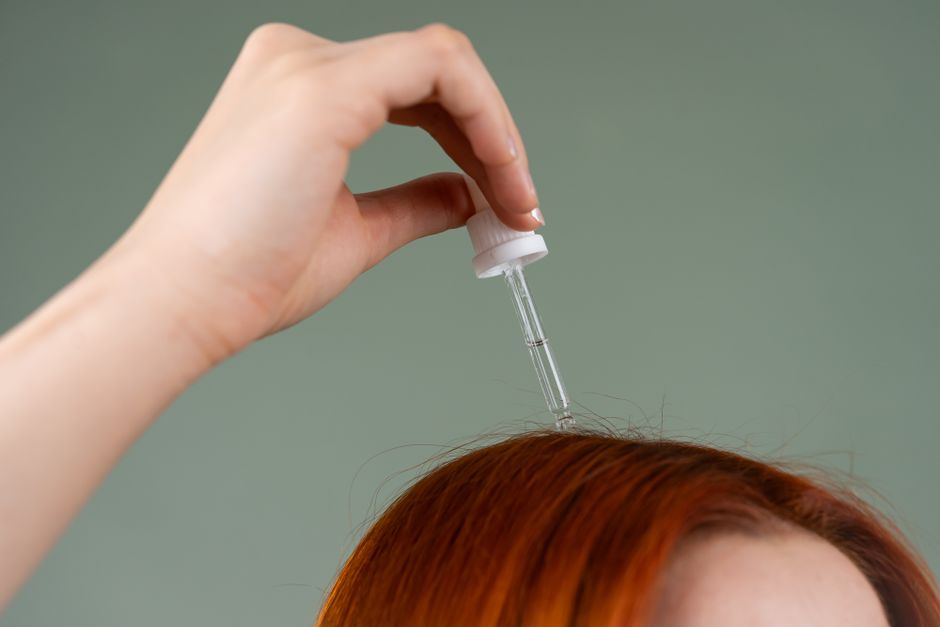
Hair loss is frustrating, and the internet is full of promises that sound too good to be true. The honest answer is that you can revive some hair follicles, but it depends entirely on why they stopped growing in the first place. Follicles that have been dormant for a short time due to stress, hormone shifts, or inflammation can often be coaxed back to life with proven treatments. Follicles that have been dead and scarred over for years cannot grow hair again without surgical intervention.
What Actually Causes Hair Follicles to Stop Growing?
Hair follicles do not just die overnight. They go through a slow process called miniaturization, where each growth cycle produces a thinner, shorter strand until the follicle stops producing hair altogether. This is what happens in male and female pattern baldness, which is driven by genetics and the hormone DHT.
Other causes are temporary. Telogen effluvium is a condition where stress, illness, or rapid weight loss pushes many follicles into a resting phase at once. This can look dramatic, but it is usually reversible once the trigger is removed. Alopecia areata is an autoimmune attack on follicles that can also reverse on its own or with treatment.
Scarring alopecias like lichen planopilaris are different. Here, inflammation destroys the follicle permanently. The CDC does not track these conditions specifically, but dermatologists estimate they account for a small fraction of hair loss cases. Knowing which type you have is the first step.
Does How To Revive Hair Follicles What Actually Works Include Topical Treatments?
Minoxidil, sold under the brand name Rogaine, is the most researched topical treatment for hair regrowth. The FDA has approved it for both men and women. Studies published in the Journal of the American Academy of Dermatology show that about 60 percent of men using minoxidil twice daily experience some regrowth after four to six months. Women see similar results with the lower dose version.
Minoxidil works by stimulating blood flow to the follicle and extending the growth phase of the hair cycle. It does not block DHT, so it is not a cure for pattern baldness. You have to keep using it or the regrown hair falls out within a few months.
Ketoconazole shampoo, available over the counter in 1 percent strength, has some evidence behind it too. A study in the journal Dermatology found that ketoconazole reduced DHT levels on the scalp and improved hair density in men. The effect is modest compared to minoxidil, but it is a reasonable addition to a routine.
There is no strong evidence that caffeine shampoos, saw palmetto sprays, or essential oil blends work as well as these two. People report positive experiences, but controlled studies do not back most of them.
| Treatment | Evidence Level | What It Does |
|---|---|---|
| Minoxidil (Rogaine) | Strong – FDA approved, multiple clinical trials | Extends hair growth phase, increases blood flow |
| Ketoconazole shampoo | Moderate – one solid study, smaller effects | Reduces scalp DHT, fights inflammation |
| Caffeine shampoos | Weak – mostly lab studies, not human trials | May stimulate follicle cells in a dish |
| Saw palmetto | Weak – mixed results, no FDA approval | Mild DHT blocker in theory |
Can Oral Medications Revive Hair Follicles?
Finasteride, sold as Propecia, is an oral medication that blocks the conversion of testosterone to DHT. The FDA approved it for male pattern baldness. Research published in the New England Journal of Medicine found that 83 percent of men taking finasteride maintained their hair count over two years, and 66 percent saw some regrowth.
Women who are not pregnant or planning pregnancy can sometimes use finasteride off-label, but the evidence is weaker. The American Academy of Dermatology notes that low-dose oral minoxidil is becoming more common for women who do not respond to the topical version. This is not FDA approved, but several small studies show it works.
Side effects matter here. Finasteride can cause sexual dysfunction in a small percentage of men, and some report persistent side effects even after stopping. Oral minoxidil can lower blood pressure and cause fluid retention. These are real risks, not internet scares. You need a doctor to prescribe and monitor these drugs.





What About Microneedling and Laser Devices?
Microneedling uses a roller or pen with tiny needles to puncture the scalp. The idea is that these micro-injuries trigger wound healing and growth factors. A 2018 study in the International Journal of Dermatology compared microneedling plus minoxidil to minoxidil alone in men with pattern baldness. The combination group saw significantly more hair growth after 12 weeks.
The treatment is done in a dermatologist office, but home devices are available. Home rollers are less effective because the needles are shorter. They also carry a risk of infection if not cleaned properly. Do not share them.
Low-level laser therapy, or LLLT, uses red light wavelengths to stimulate follicle cells. The FDA has cleared several devices as safe, but that is not the same as approval for effectiveness. A review in the Journal of Cutaneous and Aesthetic Surgery found that LLLT increased hair density in most studies, but the effect was small. It is not a replacement for medication. It may help as an add-on.
What Role Does Diet Play in Hair Follicle Health?
Severe nutrient deficiencies can cause hair loss. Iron deficiency is common in women with heavy periods. A study in the Journal of the American Academy of Dermatology found that women with low ferritin levels were more likely to have hair thinning. Supplementing iron when levels are low can reverse that specific type of loss.
Vitamin D deficiency has also been linked to hair shedding. One study in the journal Skin Pharmacology and Physiology found that people with alopecia areata had significantly lower vitamin D levels. Correcting the deficiency may help, but there is no evidence that megadosing vitamin D boosts hair growth if your levels are already normal.
Protein is essential because hair is made of keratin. Very low protein diets can trigger telogen effluvium. Most Americans eat enough protein, so this is rarely the issue unless you are on a restrictive diet. Biotin supplements are popular, but the NIH states that biotin deficiency is extremely rare. Taking extra biotin will not help unless you have a proven deficiency. It just makes your urine expensive.
What Hair Loss Treatments Should You Avoid?
Platelet-rich plasma, or PRP, is a treatment where your blood is spun down and the plasma is injected into your scalp. It is widely promoted, but the evidence is mixed. A 2020 review in the Journal of the American Academy of Dermatology concluded that PRP may help some people with pattern baldness, but the studies are small and use different methods. It is not standardized. You can pay hundreds of dollars per session for something that may do nothing.
Scalp tattoos and hair fibers are cosmetic cover-ups. They do not revive follicles. They just hide the problem. That is fine if that is what you want, but do not confuse them with treatments.
Beware of products that claim to “cleanse” follicles or “remove toxins” from the scalp. Follicles do not get clogged like pores. That is a marketing story, not biology. Hair loss from product buildup is not a real thing. If it were, washing your hair more often would fix it.
Supplements that list dozens of ingredients are almost never studied as a whole formula. One or two ingredients may have weak evidence, but the combination has not been tested. You are paying for expensive urine and a bottle of hope.
How Long Does It Take to See Results from Hair Regrowth Treatments?
Hair grows slowly, about half an inch per month. You will not see visible results from any treatment in less than three to four months. Most studies measure changes at six months and twelve months. Patience is not optional.
Minoxidil users often see a temporary shed in the first few weeks. This happens because the drug pushes resting hairs out to make room for new growth. It is actually a good sign, but it scares people into stopping. If you stop, you reset the clock.
Finasteride results peak around one to two years. After that, the drug maintains what you have. It does not keep working indefinitely. Eventually, the genetic program wins, but you can delay it by decades in many cases.
When Is a Hair Transplant the Only Option?
If a follicle has been dead for years and the scalp is smooth and shiny, no topical or oral treatment will bring it back. The follicle is gone. A hair transplant moves active follicles from the back of the scalp to the bald areas. Those transplanted follicles are genetically resistant to DHT and will keep growing.
The International Society of Hair Restoration Surgery reports that over 700,000 hair transplant procedures were performed worldwide in 2023. The technique has improved. Modern transplants use individual follicular units, not large plugs. Results look natural when done by a skilled surgeon.
A transplant is not a quick fix. It takes eight to twelve months to see the full result. You also need to keep using minoxidil or finasteride on the non-transplanted areas or you will lose more hair behind the new front line.
Frequently Asked Questions
Can dead hair follicles grow back on their own?
No. Once a follicle is scarred and destroyed, it cannot regrow hair without a transplant. Dormant follicles that still have a visible opening can sometimes recover with treatment.
How long does it take for minoxidil to work on dormant follicles?
Most people see some regrowth after four to six months of consistent twice-daily use. The full effect usually appears around the one-year mark.
Does microneedling for hair regrowth hurt?
It can be uncomfortable, but a numbing cream is applied beforehand. Most people describe it as a mild prickling sensation during the procedure.
Can stress-related hair loss be reversed without medication?
Yes, if the stress trigger is removed and the hair loss was telogen effluvium. Hair usually starts regrowing on its own within three to six months after the stress ends.
