
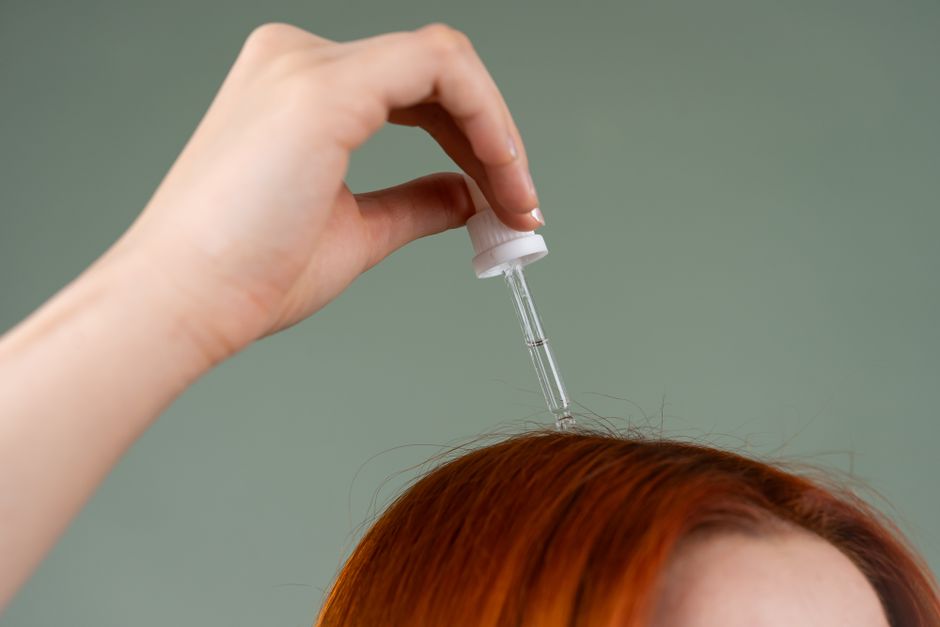
Creatine is one of the most studied supplements in sports nutrition. Despite its proven benefits for muscle performance, a persistent worry has followed it: can creatine cause hair loss? The short answer is that current research does not support a direct link between creatine supplementation and hair loss. The concern stems from a single 2009 study that measured hormone changes, not actual hair loss, and those findings have not been replicated in subsequent research.
Where Did the Creatine Hair Loss Myth Start?
The entire concern traces back to one study from 2009 involving college rugby players. Researchers found that creatine supplementation increased levels of dihydrotestosterone, commonly known as DHT. This hormone is linked to male pattern baldness in people genetically predisposed to the condition. The study measured DHT levels but did not track whether participants actually lost hair.
This single finding sparked years of speculation. Online forums amplified the concern until it became accepted as fact. The problem is that no follow-up studies have confirmed these results. Multiple reviews of creatine safety published since then have not identified hair loss as a documented side effect. The 2009 study remains an outlier, and scientists have not been able to reproduce its DHT findings.
As of 2026, there is no clinical evidence that creatine supplementation causes hair thinning or baldness in otherwise healthy individuals. The speculation continues mostly because the concern sounds plausible, not because evidence supports it.
How Does Creatine Actually Work in Your Body?
Creatine is a compound your body produces naturally from amino acids. It stores in your muscles as phosphocreatine and provides quick energy during high-intensity activities like sprinting or lifting weights. When you supplement with creatine, you increase these stored reserves, which can improve strength and power output.
Your liver, kidneys, and pancreas produce about one gram of creatine daily. You get another gram or two from eating meat and fish. Supplementation typically involves taking 3-5 grams per day, sometimes preceded by a loading phase of 20 grams daily for a week. This saturates your muscle stores faster.
The supplement has been studied extensively for decades. Research consistently shows it enhances performance in short bursts of intense exercise. There is no biological mechanism identified in these studies that would connect creatine metabolism to hair follicle function. The compound works on energy systems in muscle cells, not on hormones that regulate hair growth.
What Does DHT Have to Do With Hair Loss?
DHT is a more potent form of testosterone. It forms when an enzyme called 5-alpha reductase converts testosterone in certain tissues. In people genetically susceptible to androgenetic alopecia, DHT binds to receptors in hair follicles on the scalp. This gradually shrinks the follicles until they stop producing visible hair.
Not everyone responds to DHT the same way. Some men maintain full heads of hair despite high DHT levels. Others lose hair with average levels. Genetics determine whether your follicles are sensitive to the hormone. This is why male pattern baldness runs in families.
The 2009 study showed a 56% increase in DHT levels after creatine loading. That sounds dramatic. But the increase brought DHT from the low end of normal range to the middle of normal range. All participants remained within clinically normal limits. More importantly, the study did not measure hair loss, density, or follicle health. It measured only blood hormone levels for three weeks.


What Does Research on Creatine Safety Show?
Hundreds of studies have examined creatine supplementation. The International Society of Sports Nutrition reviewed the evidence in 2017 and concluded that creatine monohydrate is safe for healthy individuals when used at recommended doses. Their review covered kidney function, liver health, cardiovascular effects, and other concerns. Hair loss was not mentioned as a documented adverse effect.
Long-term studies tracking creatine users for months and years have not reported increased hair thinning. If the supplement caused noticeable hair loss, researchers would have documented it by now given how many people have participated in creatine trials. The lack of reports is itself evidence.
Some people report hair shedding after starting creatine. These reports are anecdotal and difficult to verify. Hair naturally cycles through growth and shedding phases. Most people shed 50-100 hairs daily without noticing. When someone starts a new supplement, they often become more aware of normal shedding and attribute it to the supplement. This is confirmation bias, not causation.
| Factor | Proven Hair Loss Connection | Creatine Connection |
|---|---|---|
| Genetics | Strong – primary cause of male pattern baldness | None established |
| DHT Sensitivity | Strong – in genetically predisposed individuals | One unreplicated study showed DHT increase |
| Stress | Moderate – can trigger temporary shedding | No connection |
| Nutritional Deficiency | Moderate – protein, iron, zinc deficiencies affect hair | No connection |
| Creatine Supplementation | No direct evidence | Subject of this concern |
Should You Avoid Creatine If You Are Worried About Hair Loss?
If male pattern baldness runs in your family and you are already seeing signs of thinning, you might wonder if creatine could accelerate the process. Based on available evidence, this concern is not supported. The theoretical risk exists only if you accept that one 2009 study outweighs decades of safety research showing no such effect.
Consider what drives hair loss. Genetics matter most. If you carry genes for androgen sensitivity in your scalp follicles, you will likely experience thinning regardless of creatine use. The progression follows a pattern determined by your inherited sensitivity, not by supplements. Environmental factors and lifestyle choices play smaller roles.
Some people choose to avoid creatine out of caution. That is a personal decision. But if you are already taking steps to prevent hair loss, the evidence suggests creatine is not the factor you should focus on. Stress management, adequate nutrition, and avoiding harsh hair treatments will have more measurable impact than skipping a performance supplement with no proven link to balding.
What Are the Actual Side Effects of Creatine?
Creatine does cause some well-documented effects that are not harmful. Water retention is the most common. Creatine pulls water into muscle cells, which can add 2-4 pounds of water weight during the first week of supplementation. This is not fat gain and does not affect health. Some people dislike the feeling of being slightly bloated.
Digestive discomfort happens in some users, especially during high-dose loading phases. Taking smaller doses throughout the day with food usually solves this. Choosing creatine monohydrate over other forms reduces the chance of stomach issues. The monohydrate form has the most research backing its safety and effectiveness.
Kidney concerns pop up frequently but are not supported by evidence in healthy individuals. Creatine supplementation does increase creatinine levels in blood tests. Creatinine is a waste product measured to assess kidney function. Higher levels can look alarming on a lab report, but this increase reflects creatine metabolism, not kidney damage. Studies in healthy people show no adverse kidney effects even with years of use.
Here are the documented effects you might actually experience:
- Temporary water weight gain of 2-4 pounds in the first week
- Mild stomach discomfort if taken in large single doses on an empty stomach
- Increased thirst due to water being pulled into muscles
- Elevated creatinine in blood work without kidney impairment
What Actually Causes Hair Loss in Men and Women?
Androgenetic alopecia accounts for most hair loss in adults. In men, it typically starts with a receding hairline and thinning at the crown. In women, it shows as overall thinning across the top of the scalp. The pattern and severity depend on genetics. If your parents or grandparents experienced hair loss, your risk increases significantly.
Temporary hair shedding can result from stress, illness, surgery, or rapid weight loss. This is called telogen effluvium. Hair follicles enter a resting phase prematurely, then shed 2-3 months later. The timing confuses people because hair loss appears weeks after the triggering event. This type usually resolves on its own once the stressor is removed.
Nutritional deficiencies also affect hair health. Iron deficiency is especially common in women and can cause noticeable thinning. Severe protein restriction, crash dieting, and vitamin D deficiency have all been linked to hair problems. These causes are far more common than any supplement-related issue.
Medications can trigger hair loss as a known side effect. Chemotherapy is the most obvious example, but blood thinners, antidepressants, and blood pressure medications can also cause thinning. If you notice hair changes after starting a new prescription, ask your doctor whether it could be related.
How Can You Protect Your Hair Health While Using Supplements?
Maintaining healthy hair while taking any supplement comes down to supporting your overall health. Protein intake matters because hair is made of keratin, a protein. If you are training hard and supplementing with creatine, you are likely already eating adequate protein. Aim for 0.7-1 gram per pound of body weight daily.
Hydration becomes more important when taking creatine because of how it affects water distribution in your body. Drink water consistently throughout the day. Dehydration will not cause hair loss, but it affects how you feel and how well your body functions. Aim for half your body weight in ounces as a baseline.
Monitor your overall stress levels. Intense training combined with inadequate recovery can elevate cortisol, which may contribute to temporary shedding. Sleep matters more than most people realize. Hair follicles regenerate during deep sleep cycles. Chronic sleep deprivation affects cellular repair processes throughout your body, including in your scalp.
If you are genuinely concerned about genetic hair loss, speak with a dermatologist about proven treatments. Minoxidil and finasteride have strong evidence for slowing or reversing androgenetic alopecia. These treatments address the actual mechanisms of hair loss rather than avoiding supplements based on a single unreplicated study.
Frequently Asked Questions About Creatine and Hair Loss
Does creatine increase DHT levels permanently?
The 2009 study showed temporary DHT increases during a three-week period. Studies have not confirmed whether this effect persists with long-term use or whether it matters for hair health.
Will stopping creatine reverse hair loss if it already started?
If you experienced hair thinning while taking creatine, stopping will not reverse it because creatine is not an established cause. Hair loss progression is determined by genetics and hormone sensitivity, not supplement use.
Is creatine safe for women worried about hair thinning?
Women produce far less testosterone than men, so DHT-related concerns are less relevant. No research has linked creatine to hair loss in women, and the supplement is considered safe for female athletes.
Can creatine cause hair loss if you are already balding?
There is no evidence that creatine accelerates existing male pattern baldness. If you are genetically predisposed and already losing hair, the progression follows its natural course regardless of creatine supplementation.
