
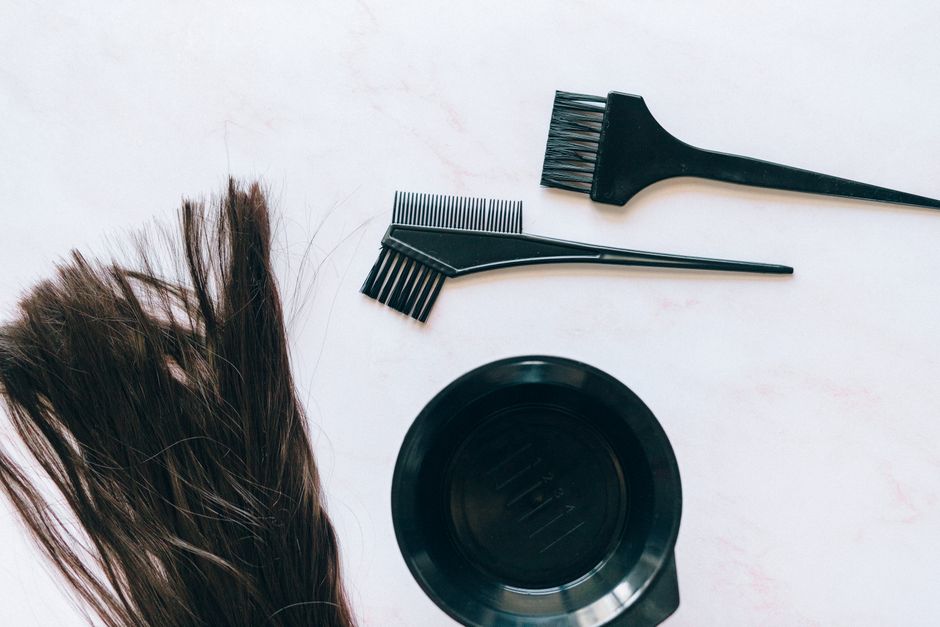
Dyeing your hair black can damage it, but the degree of damage depends on the dye type, your hair’s starting condition, and how often you color it. Permanent black hair dye uses chemicals that lift the hair cuticle to deposit color, which can weaken strands over time. However, temporary and semi-permanent black dyes are much gentler and cause minimal harm.
What Actually Happens to Your Hair When You Dye It Black?
Hair dye works by opening the outer layer of your hair, called the cuticle, to let color in. Permanent black dye uses ammonia to lift the cuticle and hydrogen peroxide to strip some natural pigment. This chemical process changes the hair’s structure.
Once the cuticle is open, the dye molecules enter the hair shaft. The molecules in black dye are larger than those in lighter shades. This means they may not penetrate as deeply, which can lead to more buildup on the surface. Some people report their hair feels heavier or stiffer after going black.
The key difference is that permanent dye alters the hair internally. Semi-permanent and demi-permanent dyes sit on the hair’s surface or just under the cuticle. They do not use ammonia or peroxide, so they cause far less structural change. Research published in the Journal of Cosmetic Science has shown that repeated use of oxidative dyes (permanent ones) can reduce hair’s tensile strength by up to 15% after multiple applications.
Does Dyeing Your Hair Black Actually Damage It More Than Other Colors?
Black dye is not inherently more damaging than other permanent colors. The damage comes from the chemicals needed to deposit any dark shade. The amount of ammonia or peroxide used is similar across permanent colors. What differs is the amount of pigment needed.
Black dye requires a high concentration of color molecules to achieve full coverage. This can mean more buildup on the hair, which some people mistake for damage. The hair may feel rough or look dull not because it is broken, but because the surface is coated with pigment.
One real concern is that black dye is harder to remove. If you want to go lighter later, you will need to bleach the hair. Bleaching after black dye can cause significant damage because the hair has already been chemically processed. The American Academy of Dermatology advises that the most damage happens not from the dye itself, but from the bleaching needed to reverse it.
What Does the Research Say About Permanent Black Hair Dye Safety?
The FDA regulates hair dyes as cosmetics and does not approve them for safety before they go on the market. However, the agency does require certain warning labels. The main safety concern has been about potential cancer risk from chemicals in older dye formulas.
Research on this topic has been mixed. A 2020 study in the British Medical Journal looked at over 117,000 women and found no strong link between personal use of permanent hair dye and most cancers. However, the study did find a small increased risk for basal cell carcinoma in women who used permanent dyes. Another review from the International Agency for Research on Cancer classified workplace exposure to hair dyes as probably carcinogenic, but personal use was not classified the same way.
For black dye specifically, there is no strong evidence that it poses unique risks beyond other permanent colors. The concern about para-phenylenediamine (PPD), a common ingredient in black dyes, is real. PPD can cause allergic reactions in some people. The CDC reports that about 1-2% of the population is sensitive to PPD. Patch testing before use is recommended.





How Do Different Types of Black Hair Dye Compare in Damage?
Not all black dyes are created equal. The table below shows how each type affects your hair based on available evidence and common dermatologist observations.
| Dye Type | How It Works | Damage Level | Best For |
|---|---|---|---|
| Permanent | Opens cuticle with ammonia and peroxide | Moderate to high | Full gray coverage, long-lasting color |
| Demi-permanent | Uses low peroxide, no ammonia | Low | Enhancing natural color, less commitment |
| Semi-permanent | Sits on hair surface, no chemicals | Minimal | Short-term color, no damage concern |
| Natural (henna, indigo) | Coats hair with plant pigments | Minimal | Those avoiding chemicals, but messy to apply |
Permanent black dye is the most damaging because it chemically alters the hair structure. Demi-permanent and semi-permanent options are much safer for regular use. Natural dyes like henna mixed with indigo can produce a black color without synthetic chemicals, but results vary and they cannot lighten hair.
What Are the Signs That Black Dye Has Damaged Your Hair?
Damage from black dye can show up in several ways. The most common signs include:
- Dryness or brittleness that does not improve with conditioner
- Split ends that appear faster than usual
- Hair that breaks off when brushing or styling
- A rough or straw-like texture
- Loss of natural shine even after using shine products
- Scalp irritation, redness, or itching after coloring
If you notice these signs, the damage is likely from the dye process itself, not just buildup. Buildup can be removed with a clarifying shampoo, but structural damage requires cutting off the affected hair. Some people report that their hair feels fine for the first few weeks but worsens with each subsequent dye session.
One non-obvious point: black dye can make existing damage less visible at first. The dark color hides split ends and frizz. This can give a false sense of healthy hair. When the color fades or grows out, the underlying damage becomes obvious.
How Can You Minimize Damage When Dyeing Your Hair Black?
You do not have to avoid black dye entirely to protect your hair. These steps are backed by dermatologist recommendations and common sense:
Start with a demi-permanent or semi-permanent black dye if you have never gone black before. These options let you see the color without committing to chemicals that permanently alter your hair. If you like the look, you can switch to permanent later with less risk.
Always do a patch test 48 hours before coloring. Apply a small amount of the dye behind your ear or on your inner elbow. This checks for allergic reactions to PPD or other ingredients. The American Contact Dermatitis Society lists PPD as a common allergen.
Space out your dye sessions. The general rule is to wait at least 4 to 6 weeks between permanent color applications. More frequent coloring increases cumulative damage. If you need to touch up roots, use a root touch-up product rather than re-dyeing the full length.
Use a deep conditioning treatment once a week. Look for products with ceramides or proteins, which can help repair the hair cuticle. Avoid heat styling as much as possible. Heat weakens already processed hair further.
Common Misconceptions About Black Hair Dye
There is a lot of bad information online about black hair dye. Let me clear up a few things that have no evidence behind them.
Myth: Black dye causes hair to fall out at the root. This is false. Hair dye cannot make hair fall out from the root because it only affects the hair shaft. If you experience hair shedding, it is likely from stress on the hair causing breakage near the scalp, not actual hair loss. The only exception is a severe allergic reaction, which can cause scalp inflammation and temporary shedding.
Myth: Henna-based black dye is always safe. Not true. Some henna products sold as “black henna” contain PPD in high concentrations. These are not true henna and can cause serious chemical burns and allergic reactions. Real henna is greenish-brown, not black. Pure indigo is what produces a blue-black color, not synthetic additives.
Myth: You can repair damaged hair with products. This is misleading. Once the hair protein structure is broken by chemical processing, no product can fully restore it. Conditioners and treatments can temporarily smooth the cuticle and reduce breakage, but the only permanent fix is cutting off the damaged hair. This is widely claimed in marketing, but the evidence from hair science is clear.
Frequently Asked Questions
Can black hair dye cause cancer?
Current research found no strong link between personal use of permanent hair dye and most cancers. A small increased risk for basal cell carcinoma was noted in one large study.
How long should I wait between black dye applications?
Wait at least 4 to 6 weeks between permanent black dye applications. More frequent coloring increases cumulative damage to the hair shaft.
Is semi-permanent black dye safer than permanent?
Yes, semi-permanent black dye causes minimal damage because it does not use ammonia or peroxide. It sits on the hair surface rather than penetrating the shaft.
Can I go from black dyed hair to blonde without damage?
Going from black to blonde requires bleaching, which causes significant damage. It is best to have this done by a professional to minimize breakage.
