
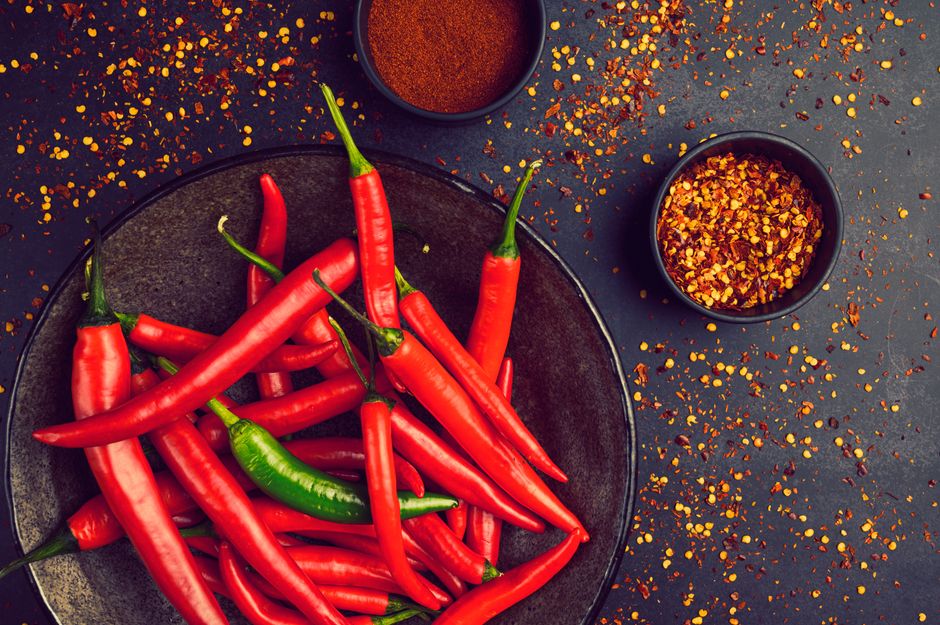
Cayenne pepper does not raise blood pressure in most people. In fact, the capsaicin in cayenne has been studied for its potential to lower blood pressure slightly, mainly through effects on blood vessels. For someone with normal or mildly elevated blood pressure, eating cayenne as part of a normal diet is not a known cause of higher readings. The bigger concern is the rare person who reacts to spicy food with a sudden, temporary spike in heart rate and blood pressure — and cayenne supplements, which are not the same thing as the spice on your food.
Does Cayenne Pepper Raise Your Blood Pressure?
The short answer is no, for the vast majority of people. Cayenne pepper is not a recognized cause of high blood pressure, and no major health organization lists spicy food as a risk factor for hypertension.
What cayenne does in the body helps explain why. The active compound is capsaicin, the molecule that makes chili peppers hot. When you eat it, capsaicin binds to a receptor called TRPV1, which is found on nerve endings and in the walls of blood vessels. Activating this receptor triggers the release of nitric oxide, a molecule that signals blood vessels to relax and widen. That widening, called vasodilation, tends to lower blood pressure rather than raise it.
This is established physiology. What is less established is how much this matters in real life. The effect from a normal amount of cayenne in food is small and short-lived. Some research suggests regular capsaicin intake may have a modest blood pressure benefit over time, but the studies are not large or consistent enough to make cayenne a treatment for hypertension. It is a food, not a therapy.
How Does Cayenne Affect Blood Vessels?
Capsaicin prompts blood vessels to widen through a well-documented chain of events. The TRPV1 receptor, once activated, leads to increased nitric oxide production in the inner lining of blood vessels, the endothelium. Nitric oxide is the body’s own vasodilator. It relaxes the smooth muscle in vessel walls, which lowers resistance to blood flow.
Lower resistance means the heart does not have to push as hard to move blood, so pressure can drop slightly. This is the same basic mechanism many blood pressure medications target, though through different pathways and with far greater and more predictable effect.
There is a wrinkle worth knowing. The drop in blood pressure from capsaicin is usually brief. It happens during and shortly after eating and then fades. It is not a lasting change to your baseline blood pressure. Anyone expecting a bowl of spicy chili to meaningfully lower their readings for the day will be disappointed.
Can Spicy Food Cause a Sudden Blood Pressure Spike?
Yes, in some people and for a short time. This is different from causing high blood pressure as a condition, and the distinction matters.
Eating very spicy food can trigger a stress-like response in some people. The body reacts to the intense sensation with a surge in heart rate, sweating, and flushing. Blood pressure can rise briefly during this reaction. For most healthy people, this is harmless and passes within minutes.
The people who should pay attention are those with certain heart conditions or uncontrolled high blood pressure who notice a consistent pattern. If spicy food reliably makes you feel your heart pounding or gives you chest discomfort, that is worth mentioning to a doctor. It does not mean cayenne is dangerous for everyone. It means your body is telling you something about how it responds.
There is also a group of people who experience a reflex drop in blood pressure after spicy food, sometimes with dizziness. Blood pressure responses to capsaicin go in both directions depending on the person and the amount. This is why blanket claims in either direction miss the reality.




What About Cayenne Supplements and Extracts?
Cayenne supplements are a different matter from the spice in your kitchen, and this is where most of the real caution belongs. Capsaicin capsules and concentrated extracts deliver doses far higher than what you would get from food.
High-dose capsaicin supplements have been linked to digestive irritation, stomach pain, and in some reports, effects on heart rhythm and blood pressure. The evidence on supplement safety at high doses is limited, and the products are not tightly regulated for consistency. A capsule can contain an amount of capsaicin that varies widely from what the label states.
Some clinicians advise caution with cayenne supplements for people taking blood pressure medication, blood thinners, or drugs for heart conditions, because the interaction profile is not well studied. This is not a reason to fear cayenne in food. It is a reason to treat concentrated supplements as what they are: a pharmacologically active dose with uncertain long-term data.
Does Cayenne Interact With Blood Pressure Medication?
The evidence here is limited, and honesty about that matters. There is no large body of human trials examining how culinary cayenne interacts with common blood pressure drugs.
What is known is that capsaicin can affect blood vessel tone and, in some studies, how the body handles certain compounds. Whether this translates into a meaningful interaction with medications like ACE inhibitors, calcium channel blockers, or diuretics at normal food amounts is not established. Some clinicians recommend that patients on blood pressure medication avoid high-dose cayenne supplements rather than worry about the spice in meals.
If you take blood pressure medication and are considering a cayenne supplement, that is a conversation to have with your pharmacist or doctor. It is not a decision to make from a label or a wellness blog.
What Actually Raises Blood Pressure?
If you are worried about your blood pressure, cayenne is not where your attention should go. The established drivers of high blood pressure are well documented and far more influential than any spice.
- Excess sodium from processed and restaurant food is one of the strongest dietary factors.
- Too little potassium, often from a diet low in fruits and vegetables, works against blood pressure control.
- Alcohol raises blood pressure, especially with regular heavy drinking.
- Extra body weight is one of the most consistent contributors to hypertension.
- Physical inactivity and chronic stress both play a role.
- Smoking damages blood vessels and raises pressure.
- Certain medications, including some decongestants and anti-inflammatory drugs, can raise readings.
None of these is a spice. A person can eat cayenne every day and still have high blood pressure from a high-sodium diet and low activity. The spice is not the variable that matters most.
Is Cayenne Good for Blood Pressure?
It might help a little, but the evidence does not support calling it a treatment. Some studies suggest capsaicin and regular chili intake are associated with slightly lower blood pressure and better blood vessel function. The effect sizes are small, and results vary across studies.
No major guideline recommends cayenne as a way to lower blood pressure. The approaches with strong evidence behind them are reducing sodium, eating more potassium-rich foods, losing excess weight, exercising regularly, limiting alcohol, and taking prescribed medication when needed. Cayenne can be part of a healthy, flavorful diet that supports those goals. It cannot replace them.
One practical note: spicy food can help some people eat more vegetables and use less salt, because heat adds flavor without sodium. That indirect benefit may matter more than any direct effect of capsaicin on blood vessels.
Frequently Asked Questions
Does cayenne pepper raise blood pressure?
No, cayenne pepper does not raise blood pressure in most people and is not a recognized cause of hypertension. Brief spikes can happen in some people after very spicy food, but these are temporary.
Can I eat cayenne pepper if I have high blood pressure?
For most people with high blood pressure, cayenne in food is not a concern and does not conflict with standard advice. Check with your doctor before using cayenne supplements, especially if you take blood pressure medication.
Does cayenne lower blood pressure?
Some studies suggest capsaicin may lower blood pressure slightly through vasodilation, but the effect is small and short-lived. No guideline recommends cayenne as a treatment for high blood pressure.
Are cayenne supplements safe for blood pressure?
High-dose cayenne supplements carry more risk than the spice in food, including digestive irritation and uncertain interactions with medication. The long-term safety data at high doses is limited.
