
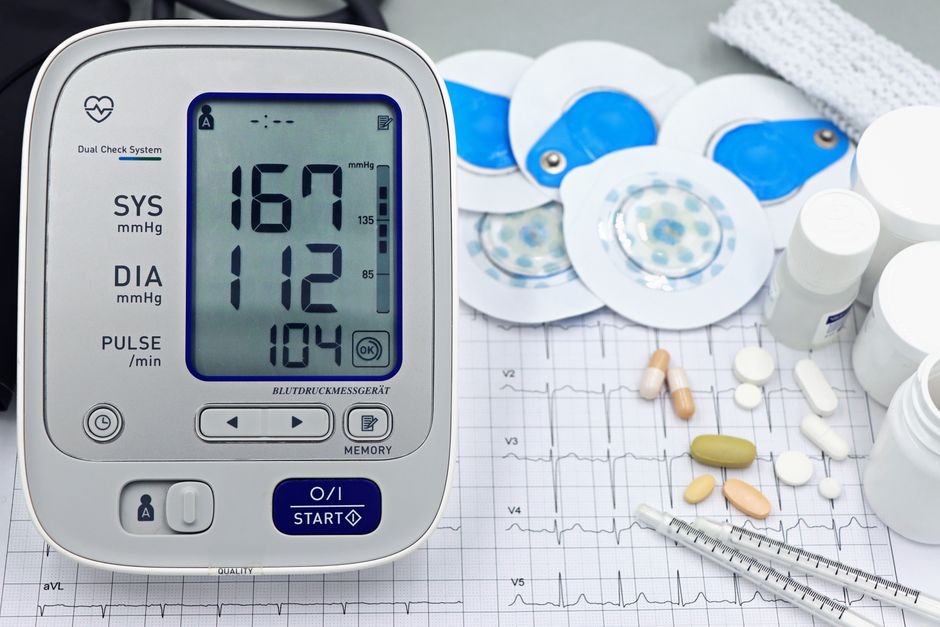
High cholesterol does not directly cause weight gain. The two conditions share common risk factors, and they often appear together, but one does not cause the other. Cholesterol is a waxy substance in your blood, while weight gain comes from eating more calories than you burn. The confusion happens because the same lifestyle habits — poor diet, lack of exercise, carrying extra body fat — can raise both your cholesterol numbers and your weight. Understanding this difference matters because it changes how you approach your health.
What Is the Real Connection Between High Cholesterol and Weight Gain?
The link between high cholesterol and weight gain is indirect. Research shows they are correlated, not causally connected. When someone gains weight, especially around the belly, their cholesterol profile often worsens. This happens because excess body fat, particularly visceral fat, affects how your liver processes cholesterol.
Visceral fat is not just stored energy. It is metabolically active tissue that releases inflammatory compounds. These compounds can lower your HDL (good cholesterol) and raise your LDL (bad cholesterol) and triglycerides. So weight gain can lead to high cholesterol, but high cholesterol does not lead to weight gain.
Current research suggests that about 60-70% of people with high cholesterol also have excess body weight. But that does not mean cholesterol caused the weight. The shared driver is usually diet and physical activity levels. A diet high in saturated fats and refined carbohydrates can raise cholesterol and contribute to weight gain at the same time.
Does High Cholesterol Cause Weight Gain Not Directly Through Medications?
Statins are the most common medications for high cholesterol. Some people worry these drugs cause weight gain. The evidence is mixed but reassuring for most people.
Large studies have not found that statins directly cause weight gain. A 2018 analysis of multiple clinical trials found no significant difference in body weight between people taking statins and those taking placebos. Some people report feeling more tired on statins, which could reduce activity levels. But this is not common enough to call it a side effect for everyone.
There is one exception worth noting. Some older statins, particularly at higher doses, have been linked to slight increases in blood sugar. This can affect appetite regulation in some people. But the effect is small, and for most people, the heart benefits far outweigh this risk.
If you start a statin and notice weight changes, talk to your doctor. It could be unrelated to the medication. Many people start statins after a heart health scare, which may lead them to change their diet and exercise habits at the same time. This can confuse cause and effect.
What Lifestyle Factors Drive Both High Cholesterol and Weight Gain?
This is where the real story lives. The same behaviors that raise cholesterol also pack on pounds. Understanding these shared drivers helps you address both problems at once.
| Factor | Effect on Cholesterol | Effect on Weight |
|---|---|---|
| High saturated fat intake | Raises LDL cholesterol | High calorie density promotes weight gain |
| Refined carbohydrates and sugar | Lowers HDL, raises triglycerides | Spikes insulin, promotes fat storage |
| Sedentary lifestyle | Lowers HDL, worsens LDL particle size | Reduces calorie burn, promotes muscle loss |
| Excess alcohol | Raises triglycerides | Adds empty calories, impairs fat burning |
| Poor sleep | Linked to higher LDL and lower HDL | Disrupts hunger hormones, increases cravings |
Notice that none of these factors start with cholesterol. They start with what you eat, how much you move, and how well you sleep. High cholesterol and weight gain are both downstream effects of these upstream choices.
One non-obvious insight: the type of fat you eat matters more than the amount of fat. A 2017 study in the Journal of the American Heart Association found that replacing saturated fats with unsaturated fats (like those in olive oil, nuts, and avocados) improved cholesterol levels without causing weight gain. The same diet change also supported healthy weight maintenance. This means you do not have to fear all fats.



Can Having High Cholesterol Make It Harder to Lose Weight?
No good evidence suggests that high cholesterol itself makes weight loss harder. Your body does not burn cholesterol for energy. Cholesterol is not a fuel source. It is a structural molecule used for cell membranes and hormone production.
What can make weight loss harder is the metabolic environment that often accompanies high cholesterol. Insulin resistance is a common companion. When your cells do not respond well to insulin, your body produces more of it. High insulin levels signal your body to store fat and block fat burning. This can make weight loss feel uphill.
Insulin resistance is not caused by cholesterol. It is caused by the same diet and lifestyle factors that raise cholesterol. So if you have high cholesterol and struggle to lose weight, the underlying issue is likely insulin resistance, not the cholesterol numbers themselves.
A 2020 review in Nutrients highlighted that people with metabolic syndrome — a cluster that includes high cholesterol, high blood sugar, and excess belly fat — often find weight loss harder. But the cholesterol component is not the barrier. The insulin resistance and inflammation are the real obstacles.
What Should You Actually Focus On If You Have Both High Cholesterol and Weight Concerns?
If you have both high cholesterol and weight you want to lose, do not try to treat them separately. Address the shared root causes. This approach works better than chasing each number independently.
Focus on three evidence-backed changes:
- Eat more soluble fiber. Oats, beans, apples, and carrots contain soluble fiber that binds to cholesterol in your digestive tract and helps remove it. Fiber also slows digestion and keeps you full longer, which helps with weight control.
- Replace saturated fats with unsaturated fats. Swap butter for olive oil. Choose fish or chicken instead of red meat several times per week. This shift improves your cholesterol profile without adding calories.
- Move your body regularly. Aerobic exercise like walking, jogging, or cycling raises HDL cholesterol. Resistance training builds muscle, which increases your resting metabolic rate. Both help with weight management.
Do not fall for quick fixes. Supplements claiming to lower cholesterol and burn fat at the same time are rarely supported by strong evidence. Red yeast rice contains a natural statin, but its dose is unregulated. Plant sterols can lower LDL modestly, but they do not affect weight. As of 2026, no supplement has been shown to meaningfully address both cholesterol and weight in place of lifestyle changes.
If you need medication, take it. Statins are well-studied and safe for most people. They lower heart attack risk even if your weight does not change. You can work on weight loss separately with your doctor’s guidance. Do not avoid medication because you want to lose weight first. That delay can be dangerous.
Frequently Asked Questions
Can high cholesterol make you gain weight?
No. High cholesterol itself does not cause weight gain. The same lifestyle habits that raise cholesterol can also lead to weight gain, but cholesterol is not a direct cause.
Does treating high cholesterol cause weight gain?
Statins do not typically cause weight gain. Some people report fatigue, which could reduce activity, but large studies show no significant weight change from statin use.
Is high cholesterol linked to belly fat?
Yes, indirectly. Belly fat, especially visceral fat, is linked to worse cholesterol levels. The relationship goes from belly fat to high cholesterol, not the other way around.
Can losing weight lower high cholesterol?
Yes. Losing even 5-10% of your body weight can improve your cholesterol numbers. Weight loss often lowers LDL and triglycerides while raising HDL.
