
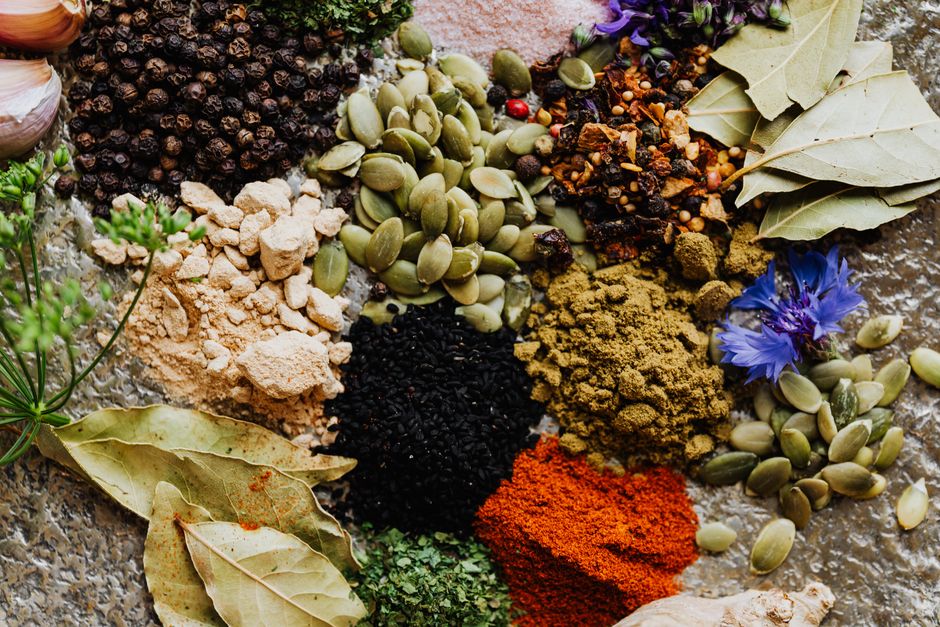
If you are looking for spices that help with high cholesterol, the short answer is turmeric, ginger, garlic, cinnamon, and cayenne pepper. Research shows these spices can lower LDL (bad) cholesterol, raise HDL (good) cholesterol, and reduce inflammation in your blood vessels. None of them replace medication or a healthy diet. But adding them to your food is a simple step that may support better numbers over time.
How Do Spices Affect Cholesterol Levels?
Spices work on cholesterol in a few different ways. Some block your body from absorbing cholesterol from food. Others help your liver remove cholesterol from your blood faster. Many spices also reduce inflammation, which is a key factor in heart disease.
The active compounds in spices are what do the work. Curcumin in turmeric, gingerol in ginger, and allicin in garlic all have strong effects. These compounds are not found in large amounts in the spice powder you buy at the store. But using them daily in cooking can still add up to a meaningful difference.
Studies have found that people who use spices regularly have lower cholesterol on average. One study in the Journal of Nutrition found that adding a blend of spices to a high-fat meal reduced the body’s inflammatory response by 30 percent. That matters because inflammation makes cholesterol more likely to clog your arteries.
What Does Research on What Spices Are Good For High Cholesterol Show?
The strongest evidence is for garlic. A 2019 review of 39 studies found that garlic supplements lowered total cholesterol by about 17 points on average. Fresh garlic likely works better than dried garlic powder. The active compound allicin breaks down quickly, so crushing garlic and letting it sit for 10 minutes before cooking helps preserve it.
Turmeric also has solid research behind it. A 2017 meta-analysis found that curcumin supplements lowered LDL cholesterol by about 10 percent. The catch is that curcumin is poorly absorbed on its own. You need black pepper with it. Piperine in black pepper increases absorption by up to 2000 percent.
Cinnamon shows moderate effects. Some studies suggest that half a teaspoon to one teaspoon per day can lower LDL by 9 to 12 percent. The evidence is mixed, and not all studies agree. But cinnamon is safe to use daily, so there is little downside to trying it.
Ginger and cayenne pepper have less research but still show promise. Ginger may lower LDL and triglycerides. Cayenne pepper contains capsaicin, which may reduce cholesterol absorption. Current research suggests these spices work best as part of a group rather than alone.
| Spice | Active Compound | Reported LDL Reduction | Strength of Evidence |
|---|---|---|---|
| Garlic | Allicin | 10-17% | Strong |
| Turmeric | Curcumin | 8-10% | Moderate to Strong |
| Cinnamon | Cinnamaldehyde | 9-12% | Moderate |
| Ginger | Gingerol | 5-8% | Moderate |
| Cayenne | Capsaicin | 3-5% | Weak to Moderate |
How Much Spice Do You Need to See Results?
Amounts matter. Most studies use doses that are higher than what people typically use in cooking. For garlic, the effective dose is about one clove per day. For turmeric, it is about one teaspoon of powder or a 500 mg curcumin supplement with black pepper.
Cinnamon works at smaller amounts. Half a teaspoon per day appears to be enough. More than one teaspoon may not add extra benefit and could be risky if you have liver issues due to the coumarin content in cassia cinnamon. Ceylon cinnamon has less coumarin and is safer for daily use.
Ginger is effective at about one teaspoon of fresh grated ginger or half a teaspoon of dried powder. Cayenne pepper works at very small amounts. Even a pinch added to food regularly may help. The key is consistency. Using spices once a week will not move your numbers. Daily use over weeks or months is what matters.
One non-obvious insight is that using multiple spices together works better than any single spice alone. Spices have different mechanisms. Garlic blocks cholesterol absorption. Turmeric reduces inflammation. Ginger lowers triglycerides. Together they cover more ground.





What Are the Side Effects of Using Spices for Cholesterol?
Spices are generally safe. But they are not risk-free. Garlic can thin your blood. If you take blood thinners like warfarin, talk to your doctor before adding large amounts of garlic to your diet. Turmeric can irritate your stomach if you take it on an empty stomach. It may also interfere with iron absorption.
Cinnamon in large amounts can cause liver damage. This is only a concern with cassia cinnamon at doses above one teaspoon per day. Stick with Ceylon cinnamon if you plan to use it daily. Ginger can cause heartburn in some people. Cayenne pepper can irritate your digestive tract, especially if you have acid reflux.
These side effects are rare at normal food amounts. They become more likely if you take concentrated supplements. If you have a medical condition or take medication, check with your doctor before starting any spice supplement.
Here are some practical safety tips:
- Start with small amounts and increase slowly
- Use Ceylon cinnamon instead of cassia for daily use
- Pair turmeric with black pepper for better absorption
- Do not take garlic supplements if you are on blood thinners without medical advice
- Stop using any spice if you notice stomach pain, rash, or other reactions
Common Misconceptions About Spices and Cholesterol
The biggest myth is that spices alone can fix high cholesterol. They cannot. If your LDL is over 190 or you have heart disease, you likely need medication. Spices are a support tool, not a replacement for statins or other prescribed drugs.
Another myth is that more is better. Taking large doses of spice supplements does not give you faster results. It just increases your risk of side effects. The research shows that moderate daily use over months produces the best outcomes. There is no shortcut.
Some people believe that all spice powders are the same. They are not. Spice powders lose potency over time. A jar of turmeric that has been sitting in your cabinet for two years has very little active curcumin left. Buy fresh spices in small amounts and replace them every six months for the best effect.
There is also a claim that spice supplements are better than food. This is widely claimed though strong evidence is limited. Whole spices in food may work better because the body processes them differently. The fiber and other compounds in food can help with absorption. Stick with food first and consider supplements only if a doctor recommends them.
How to Add These Spices to Your Daily Diet
You do not need complicated recipes. Simple additions work. Add turmeric and black pepper to scrambled eggs or roasted vegetables. Stir cinnamon into oatmeal, yogurt, or coffee. Grate fresh ginger into stir-fries, soups, or tea. Crush fresh garlic into salad dressings or pasta sauces. Sprinkle cayenne on eggs, soups, or roasted chickpeas.
Spice blends can make this easier. Mix turmeric, cinnamon, ginger, and black pepper together and keep it in a jar. Use one teaspoon of this blend in your cooking each day. This hits multiple active compounds in one step.
If you do not like the taste of a particular spice, do not force it. No single spice is essential. Pick two or three that you enjoy and use them consistently. The people who stick with it are the ones who find a way that works for their taste buds.
As of 2026, there is no official daily recommendation for spices to lower cholesterol. The research is still growing. But the evidence we have is strong enough to suggest that adding these spices to your food is a low-risk, potentially helpful habit. It is not a cure. It is one small part of a bigger picture that includes diet, exercise, sleep, and medical care.
Frequently Asked Questions
Can spices alone lower my cholesterol without medication?
No. Spices can help lower cholesterol but they are not strong enough to replace medication for most people with high cholesterol.
How long does it take for spices to lower cholesterol?
Most studies show measurable changes after 8 to 12 weeks of daily use.
Is it better to use fresh spices or dried powder?
Fresh spices generally have more active compounds but dried powder is still effective if it is fresh and stored properly.
Can I take spice supplements instead of cooking with them?
Supplements are an option but whole spices in food may be better absorbed and have fewer side effects.
