
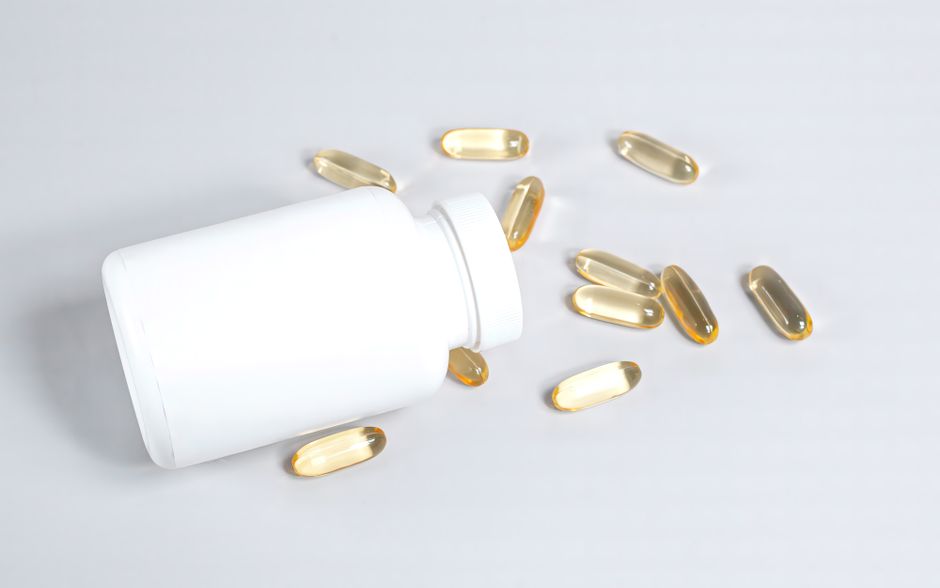
Many women wonder if hormone replacement therapy (HRT) is safe when they also have high cholesterol. The short answer is yes, for most women, but it depends on the type of HRT, your specific cholesterol numbers, and your overall heart health. You do not have to automatically avoid HRT because of high cholesterol. However, you need a careful evaluation with your doctor to choose the safest option for you.
Can HRT Raise Cholesterol Levels?
Some forms of HRT can affect your cholesterol, but not always in a bad way. Oral estrogen—taken as a pill—can raise triglycerides, a type of fat in your blood. For women who already have high triglycerides, this could be a concern. At the same time, oral estrogen often improves your “good” HDL cholesterol and lowers “bad” LDL cholesterol. The net effect depends on your starting numbers.
Transdermal estrogen (a patch, gel, or spray) has much less effect on triglycerides because it enters your bloodstream directly, bypassing the liver. For women with high cholesterol, transdermal forms are often preferred. The type of progestin you take alongside estrogen also matters. Synthetic progestins like medroxyprogesterone acetate can blunt some of estrogen’s positive effects on cholesterol. Micronized progesterone (a form closer to your body’s own) tends to have a more neutral or even beneficial effect on lipids.
What Types of HRT Are Safer for High Cholesterol?
If you have high cholesterol, especially high triglycerides, transdermal estrogen is generally safer than oral estrogen. Studies have found that transdermal estrogen does not significantly raise triglycerides. It also lowers LDL and raises HDL, similar to oral forms, but without the liver stress.
For women who still need a progestin (because they have a uterus), micronized progesterone is often a better choice than synthetic progestins. Research suggests micronized progesterone does not undo the cholesterol benefits of estrogen. If you have had a hysterectomy, you may not need a progestin at all, which simplifies the choice.
There is no one-size-fits-all HRT. Your doctor can help you decide based on your full lipid profile: total cholesterol, LDL, HDL, and especially triglycerides.
How Does Estrogen Affect Cholesterol?
Estrogen has direct effects on how your liver processes fats. It increases production of HDL (good cholesterol) and speeds up removal of LDL (bad cholesterol). This is one reason premenopausal women typically have lower heart disease risk than men of the same age.
Oral estrogen goes through the liver first, which is why it raises triglycerides—the liver makes more triglycerides in response. Transdermal estrogen avoids this “first pass” effect, so triglycerides stay more stable. For women with very high triglycerides (500 mg/dL or higher), oral estrogen may increase the risk of pancreatitis, a dangerous inflammation of the pancreas. In that situation, transdermal estrogen is clearly safer.



Should You Avoid HRT If You Have High Cholesterol?
Most women with high cholesterol do not need to avoid HRT. The key is to match the type of HRT to your risk profile. For example, a woman with moderately high LDL but normal triglycerides may do well on low-dose oral estrogen. A woman with high triglycerides should use transdermal estrogen.
Your overall cardiovascular risk matters more than just your cholesterol number. Age also plays a role. The North American Menopause Society and other expert groups recommend that for healthy women under 60 or within 10 years of menopause, the benefits of HRT for symptom relief and bone health usually outweigh the risks. High cholesterol alone does not change that calculation, but it does mean you need the right formulation.
How To Prepare for HRT With High Cholesterol
Before starting HRT, get a complete lipid panel—total cholesterol, LDL, HDL, and triglycerides. Your doctor may also check your blood pressure, blood sugar, and other risk factors. Together, these numbers help decide the safest HRT type and dose.
If you are already on cholesterol-lowering medication like a statin, HRT can still be safe. Statins lower LDL and triglycerides, which may offset any small increase from oral estrogen. Some women find that combining transdermal estrogen with a statin gives excellent control of both symptoms and cholesterol.
After starting HRT, repeat your lipid panel in a few months to see how your body responds. Adjustments can be made if needed—switching from oral to transdermal, changing progestin type, or adjusting doses.
When Is HRT Not Recommended for High Cholesterol?
There are a few situations where high cholesterol makes HRT unwise. If your triglycerides are very high—typically 500 mg/dL or above—oral estrogen is not recommended because of the pancreatitis risk. Even transdermal estrogen should be used cautiously and only if symptom relief is urgent and other options have failed.
If you have a history of heart attack, stroke, or blood clots, HRT is generally not recommended regardless of cholesterol. High cholesterol combined with uncontrolled high blood pressure or diabetes also increases your risk. In those cases, treating the underlying conditions first and using non-hormonal options for menopause symptoms may be safer.
For the majority of women with mild to moderate high cholesterol and no other major risk factors, HRT is a reasonable choice after discussing the pros and cons with your doctor.
Frequently Asked Questions
Can I take HRT if I have high cholesterol?
Yes, most women with high cholesterol can take HRT. The type of HRT matters—transdermal estrogen and micronized progesterone are often safer choices for women with high triglycerides.
Does HRT increase heart disease risk?
For women under 60 or within 10 years of menopause, the risk of heart disease from HRT is very low and may even be protective. Starting HRT after age 60 or many years past menopause increases risk, so timing and individual risk factors are key.
Which HRT is best for high cholesterol?
Transdermal estrogen (patch, gel, or spray) is generally best because it does not raise triglycerides. If you need a progestin, micronized progesterone is preferred over synthetic forms for cholesterol management.
Will HRT lower my cholesterol?
HRT can improve your LDL and HDL levels but is not a treatment for high cholesterol. Any cholesterol improvements are modest and should not replace lifestyle changes or statins if needed.
