
High cholesterol is one of the most common risk factors for heart disease, and what you eat directly influences your blood levels. The primary dietary culprits are foods high in saturated fats, trans fats, and, to a lesser extent, dietary cholesterol. Saturated fats, found in fatty meats, full-fat dairy, and tropical oils, tell your liver to produce more LDL cholesterol—the “bad” kind that builds up in arteries. Trans fats, once common in processed snacks and fried foods, are even worse because they both raise LDL and lower HDL (the “good” cholesterol). While eggs and shellfish contain dietary cholesterol, research shows that for most people, saturated and trans fats matter far more than the cholesterol you actually eat.
What Foods Contribute To High Cholesterol Levels?
The foods that raise cholesterol are not always the ones you expect. Many people assume eggs and shrimp are the main problem, but the real drivers are foods rich in saturated fat and trans fat. These fats stimulate the liver to produce more LDL cholesterol, which is the type that sticks to artery walls and increases heart disease risk.
The most significant contributors include fatty cuts of red meat, processed meats like bacon and sausage, full-fat dairy products, butter, lard, and tropical oils such as palm oil and coconut oil. Baked goods, fried foods, and commercially prepared snacks often contain trans fats or high amounts of saturated fat. Even “healthy” foods can be problematic—granola, certain plant-based meat alternatives, and packaged desserts frequently contain coconut oil or palm oil, which are high in saturated fat.
Dietary cholesterol itself—found in eggs, shrimp, and organ meats—has a smaller effect on blood cholesterol for most people. The liver regulates cholesterol production, and when you eat more cholesterol, it typically produces less. However, about 25-30% of people are “hyper-responders” who see a more significant rise in blood cholesterol after eating dietary cholesterol. For these individuals, limiting egg yolks and shellfish may still be worthwhile.
How Does Saturated Fat Raise LDL Cholesterol?
Saturated fat raises LDL cholesterol through a well-understood biological mechanism. When you consume saturated fat, it signals the liver to reduce the number of LDL receptors on its surface. These receptors are responsible for pulling LDL particles out of the bloodstream. With fewer receptors, LDL stays in circulation longer, and blood levels rise.
Not all saturated fats behave identically. Stearic acid, found in cocoa and beef, has a neutral effect on LDL. Palmitic acid, found in palm oil and dairy, and myristic acid, found in butter and coconut oil, raise LDL more substantially. Lauric acid, the main fat in coconut oil, raises LDL but also raises HDL, which complicates its overall effect. Some research suggests coconut oil raises LDL by about 10-15%, but the evidence base is limited and mixed regarding its net cardiovascular effect.
Replacing saturated fat with polyunsaturated fat—found in walnuts, sunflower seeds, and fatty fish—consistently lowers LDL and reduces cardiovascular risk. Replacing it with refined carbohydrates, however, does not help. It lowers LDL slightly but also lowers HDL and raises triglycerides, which is not a net benefit.
What Role Do Trans Fats Play?
Trans fats are the most harmful fats for cholesterol. They raise LDL cholesterol, lower HDL cholesterol, and increase inflammation. These effects together make trans fats a stronger predictor of heart disease than saturated fat. The relationship is so clear that many countries have banned artificial trans fats entirely.
Artificial trans fats come from partially hydrogenated oils, which were once common in margarine, shortening, packaged cookies, crackers, and commercial fried foods. The FDA determined that partially hydrogenated oils are no longer “generally recognized as safe,” and food manufacturers in the US were required to remove them by 2021. However, some products still contain small amounts due to processing, and naturally occurring trans fats exist in small quantities in beef and dairy.
When reading labels, check the ingredients list rather than relying on the “0 grams trans fat” claim. In the US, a product can legally list zero trans fat if it contains less than 0.5 grams per serving. If you see “partially hydrogenated oil” in the ingredients, the product contains trans fat even if the label says otherwise.




Are Eggs and Shellfish Really a Problem?
Eggs and shellfish contain dietary cholesterol, but the evidence no longer supports the blanket advice to avoid them. A large egg contains about 186 mg of cholesterol, and a 3-ounce serving of shrimp contains around 166 mg. For most healthy people, eating one egg per day does not increase heart disease risk. Research published in the Journal of the American Medical Association found no association between moderate egg consumption and cardiovascular disease in healthy adults.
The exception is people with diabetes or existing heart disease. Some studies suggest these populations may be more sensitive to dietary cholesterol, though the evidence is not definitive. If you have diabetes or known cardiovascular disease, discussing egg consumption with your doctor is reasonable. For everyone else, eggs are a nutrient-dense food that provides high-quality protein, choline, and antioxidants.
Organ meats, particularly liver, are much higher in cholesterol. A 3-ounce serving of beef liver contains about 331 mg. These foods also provide iron and vitamin A, so they are not “bad” foods—but they should be eaten in moderation if you are watching your cholesterol.
Which Fats Actually Lower Cholesterol?
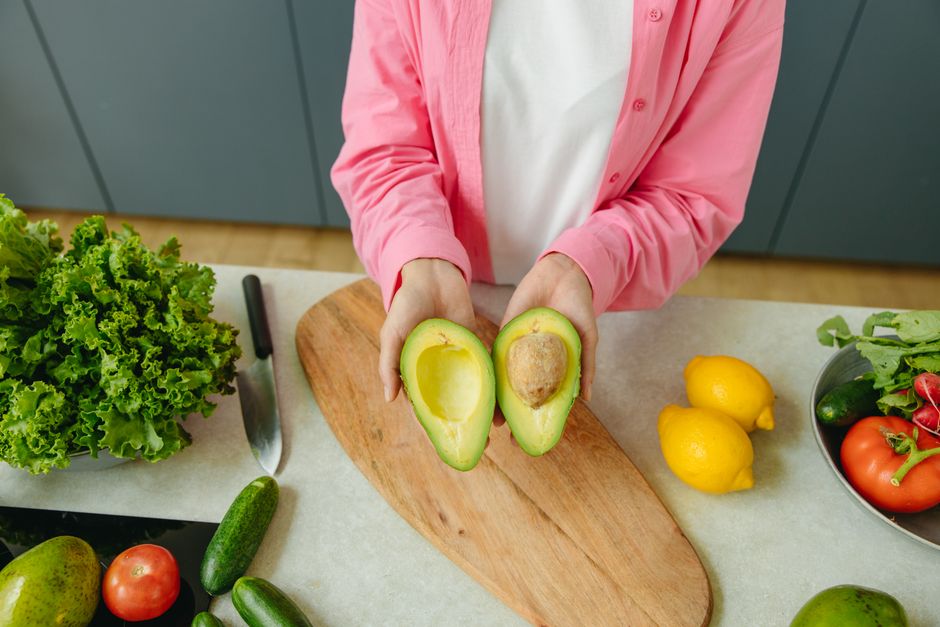
Replacing harmful fats with beneficial ones is the most effective dietary change for cholesterol. Monounsaturated fats—found in olive oil, avocados, and almonds—lower LDL while maintaining or slightly raising HDL. Polyunsaturated fats, especially omega-3s from fatty fish like salmon and mackerel, lower LDL and triglycerides.
Plant sterols and stanols, naturally found in vegetable oils, nuts, and legumes, block cholesterol absorption in the intestines. Foods fortified with these compounds, such as certain margarines and orange juices, can lower LDL by about 5-10% when consumed daily. Soluble fiber, found in oats, barley, beans, and psyllium, also reduces cholesterol absorption and helps the body excrete cholesterol through bile.
The practical takeaway is simple: swap butter for olive oil, choose lean poultry and fish over fatty red meat, snack on nuts instead of chips, and add beans or oats to your meals. These changes do not require eliminating all fat—they require choosing better sources of fat.
How Much Does Diet Actually Affect Cholesterol?
Dietary changes can lower LDL cholesterol by roughly 10-20% in most people. This range depends on your baseline diet, genetics, and how strictly you adhere to the changes. A person eating a typical Western diet who switches to a Mediterranean-style diet with olive oil, nuts, fish, and vegetables may see LDL drop by 15-20% within a few months.
Genetics play a substantial role. People with familial hypercholesterolemia have a genetic mutation that prevents the liver from clearing LDL effectively. For these individuals, diet alone is rarely enough to reach healthy levels, and medication is typically necessary. Even with excellent dietary habits, their LDL may remain elevated.
Weight loss also matters. Excess body fat, particularly around the abdomen, increases LDL and triglycerides while lowering HDL. Losing even 5-10% of body weight can improve cholesterol levels meaningfully, regardless of what specific foods you eat.
What Should You Actually Eat Instead?
Focus on whole, minimally processed foods. Vegetables, fruits, whole grains, legumes, nuts, seeds, and fatty fish form the foundation of a cholesterol-lowering diet. These foods provide fiber, plant sterols, and unsaturated fats while naturally being low in saturated fat.
If you eat meat, choose lean cuts and remove visible fat. Poultry without skin, pork tenderloin, and lean beef cuts like sirloin are reasonable choices. Processed meats like bacon, sausage, and deli meats should be limited, not because of cholesterol alone, but because they are high in saturated fat and sodium, both of which affect cardiovascular health.
Dairy can fit into a cholesterol-conscious diet if you choose wisely. Low-fat or fat-free milk, yogurt, and cheese provide calcium and protein without the saturated fat of full-fat versions. However, some research suggests fermented dairy like yogurt may have neutral or even beneficial effects on cholesterol, regardless of fat content. The evidence here is not definitive, so a balanced approach works best.
Does Fiber Really Help Lower Cholesterol?
Yes, and the effect is more significant than many people realize. Soluble fiber binds to cholesterol in the digestive tract and carries it out of the body. This forces the liver to pull more cholesterol from the blood to produce bile, lowering blood levels in the process.
Oats, barley, psyllium, beans, lentils, apples, and carrots are excellent sources of soluble fiber. A daily intake of 5-10 grams of soluble fiber can lower LDL by roughly 5-10%. That is a meaningful reduction, comparable to what some cholesterol-lowering medications achieve at low doses.
Most Americans consume only about 15 grams of total fiber per day, while the recommended intake is 25-38 grams. Increasing fiber intake is one of the simplest and most effective dietary changes for cholesterol. Start gradually to avoid digestive discomfort, and increase water intake alongside fiber.
Can You Lower Cholesterol Without Medication?
For many people, yes. A combination of dietary changes, weight loss, and regular physical activity can lower LDL by 15-25% in some individuals. This is enough to move many people out of the elevated range without medication. However, this requires consistent effort over months, not weeks.
The decision to use medication depends on your overall cardiovascular risk, not just your cholesterol number. Your doctor considers age, blood pressure, smoking status, diabetes, and family history when determining whether statins are appropriate. Some people with very high LDL—above 190 mg/dL—typically need medication regardless of lifestyle changes because their risk is driven by genetics.
If you are considering managing cholesterol through lifestyle alone, work with your doctor to establish a clear plan and timeline. Rechecking blood lipids after 3-6 months of consistent changes gives you and your doctor objective data about whether the approach is working. If LDL does not improve sufficiently, medication may be necessary—this is not a failure of your efforts, but a recognition that biology sometimes requires more than diet can provide.
Frequently Asked Questions
What is the single worst food for high cholesterol?
Foods containing artificial trans fats, such as commercially fried items and baked goods made with partially hydrogenated oils, are the worst because they raise LDL and lower HDL simultaneously. Most US products have removed these fats, but checking ingredient labels for “partially hydrogenated oil” remains important.
Can eating eggs every day raise your cholesterol?
For most healthy people, one egg per day does not raise blood cholesterol or increase heart disease risk. People with diabetes or existing heart disease may be more sensitive and should discuss egg intake with their doctor.
How long does it take for diet changes to lower cholesterol?
Most people see measurable changes in LDL cholesterol within 3-6 weeks of consistent dietary changes. Full effects typically appear by 3 months, which is why doctors usually recheck blood lipids at that point.
Is coconut oil good or bad for cholesterol?
Coconut oil raises LDL cholesterol because it is about 90% saturated fat, but it also raises HDL. The net effect on heart disease risk is unclear, so it is not a health food despite marketing claims to the contrary.
