
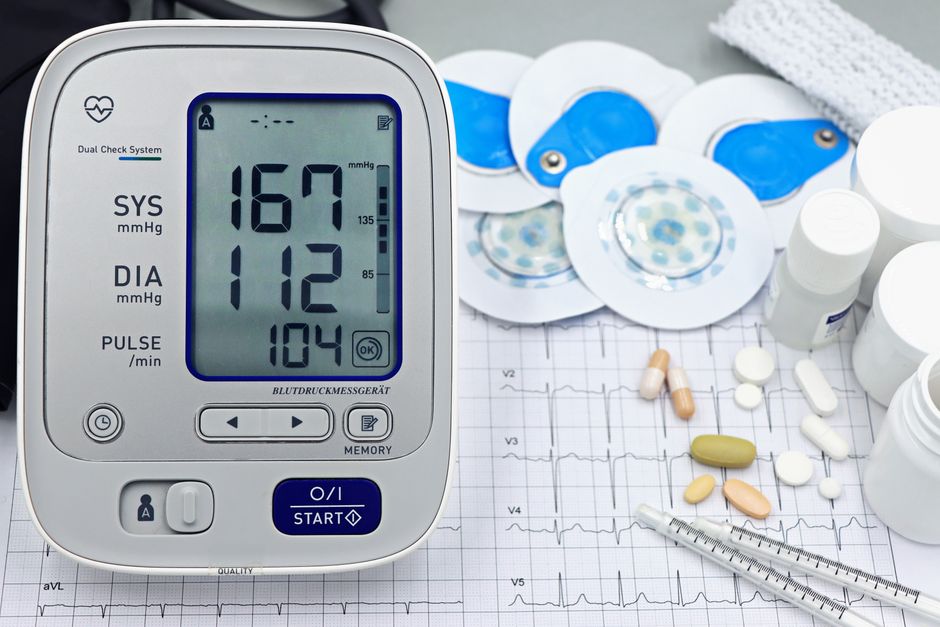
Many people with high cholesterol also notice a persistent ringing in their ears. The question of whether one causes the other is more complex than a simple yes or no. Research shows a connection between the two conditions, but it does not prove that high cholesterol directly causes tinnitus in every case. The relationship involves blood flow, the health of your inner ear, and several other risk factors that often travel together.
What Is Tinnitus and What Does It Feel Like?
Tinnitus is the perception of sound when no external sound is present. People describe it as ringing, buzzing, hissing, roaring, or clicking. It can be constant or come and go. It may affect one ear or both. The volume can range from a faint background noise to a sound loud enough to interfere with sleep and concentration.
Tinnitus is not a disease itself. It is a symptom of an underlying condition. The list of possible causes is long. Age-related hearing loss, noise exposure, earwax blockage, and certain medications are common triggers. Circulatory issues also appear on that list, which is where cholesterol enters the picture.
Does High Cholesterol Cause Tinnitus?
High cholesterol does not directly cause tinnitus in the way a loud noise damages the inner ear. Instead, the connection works through your blood vessels. Over time, high levels of LDL cholesterol can contribute to atherosclerosis, a condition where fatty deposits build up inside artery walls. This narrows the arteries and reduces blood flow.
Your inner ear depends on a steady supply of oxygen-rich blood. The blood vessels serving the inner ear are small and sensitive to changes in flow. When cholesterol narrows these vessels, the inner ear may not get enough blood. This reduced circulation can damage the delicate hair cells responsible for hearing, and that damage can produce tinnitus.
Some studies have found that people with tinnitus are more likely to have high cholesterol than people without tinnitus. Other research has not found a strong link. The evidence points to an association, not a guaranteed cause-and-effect relationship. What is clear is that high cholesterol and tinnitus share many of the same risk factors, including age, obesity, smoking, and a sedentary lifestyle.
How Blood Flow Affects the Inner Ear
The inner ear contains the cochlea, a spiral-shaped structure lined with thousands of tiny hair cells. These cells convert sound vibrations into electrical signals that your brain interprets as sound. They require a constant supply of oxygen and nutrients to function.
When blood flow to the inner ear is reduced, those hair cells become stressed. Some may become damaged or die. Unlike many other cells in the body, inner ear hair cells do not regenerate. Once they are gone, the hearing loss is permanent.
Reduced blood flow can also affect the way your brain processes sound. Some researchers believe tinnitus arises from changes in brain activity after hearing loss. When the brain receives less input from the ear, it may compensate by turning up its internal gain. This can produce phantom sounds that have no external source.
This explanation is biologically sound, but it is not the whole story. Many people with high cholesterol never develop tinnitus. Many people with tinnitus have normal cholesterol levels. Blood flow is one piece of a larger puzzle.




Other Cardiovascular Risk Factors Tied to Tinnitus
High cholesterol rarely exists in isolation. It often appears alongside other cardiovascular risk factors, and those may play a larger role in tinnitus than cholesterol alone.
High blood pressure is strongly associated with tinnitus. Elevated blood pressure can damage the small blood vessels in the inner ear over time. It can also increase the force of blood flow, making the sound of your own pulse audible. This is called pulsatile tinnitus, and it often sounds like a rhythmic thumping or whooshing in time with your heartbeat.
Diabetes is another condition linked to both high cholesterol and tinnitus. Diabetes damages blood vessels throughout the body, including those in the inner ear. Poorly controlled blood sugar can worsen circulation and increase the risk of hearing problems.
Obesity and a sedentary lifestyle contribute to high cholesterol, high blood pressure, and diabetes. These conditions create a cluster of risk factors that together increase the likelihood of tinnitus. When researchers try to isolate the effect of cholesterol alone, the picture becomes less clear.
Smoking also damages blood vessels and reduces oxygen delivery to tissues throughout the body, including the inner ear. If you smoke and have high cholesterol, your risk of tinnitus is likely higher than if you had either risk factor alone.
Can Lowering Cholesterol Improve Tinnitus?
This is the question most people want answered. The evidence is mixed, and it is important to be honest about that.
Some small studies have reported improvement in tinnitus symptoms after people lowered their cholesterol with medication or diet changes. Other studies have found no change. No large, well-controlled trials have confirmed that treating high cholesterol reliably reduces tinnitus.
There are reasons to think lowering cholesterol might help. If reduced blood flow contributed to your tinnitus, restoring better circulation could potentially improve symptoms. Some people also take statins for high cholesterol, and a few case reports have linked statin use to tinnitus. However, this is rare, and the overall evidence does not suggest statins cause tinnitus in most people.
The honest position is this: lowering your cholesterol is good for your heart, your brain, and your blood vessels. It may help your tinnitus, it may not. If you have high cholesterol and tinnitus, treating the cholesterol is worth doing for many reasons beyond your ears.
What Else Could Be Causing Your Tinnitus?
Tinnitus has many potential causes, and it is a mistake to assume high cholesterol is the culprit. A thorough evaluation should consider:
- Hearing loss from noise exposure — the most common cause of tinnitus in adults
- Age-related hearing loss — natural changes in the inner ear over time
- Earwax buildup — can block the ear canal and alter sound perception
- Medications — certain drugs, including some antibiotics, diuretics, and high doses of aspirin, are known to cause tinnitus
- Temporomandibular joint (TMJ) disorders — problems with the jaw joint can refer pain and sound to the ear
- Head or neck injuries — can affect the auditory system and produce tinnitus
- Thyroid conditions — both overactive and underactive thyroid have been linked to tinnitus
A doctor can help you sort through these possibilities. An audiologist can test your hearing. An ear, nose, and throat specialist can examine your ears and rule out structural problems. Blood tests can check your cholesterol, blood sugar, and thyroid function.
When Should You See a Doctor?
Tinnitus is rarely a medical emergency, but it does warrant evaluation. See a doctor if your tinnitus is persistent, affects one ear only, or interferes with your daily life.
Seek immediate medical attention if tinnitus appears suddenly, comes with dizziness or hearing loss, or sounds like your heartbeat. These symptoms can indicate a more serious underlying condition that requires prompt treatment.
If you have not had your cholesterol checked recently, this is a good reason to do so. A simple blood test can tell you whether your levels are in a healthy range. Knowing your numbers gives you and your doctor a baseline for making decisions about diet, exercise, and medication.
Practical Steps That May Help
There is no cure for most types of tinnitus, but there are strategies that can reduce its impact.
Protect your hearing. Wear earplugs in loud environments. Keep the volume down on headphones. Avoiding further noise damage can prevent the problem from getting worse.
Address your cardiovascular health. If you have high cholesterol, high blood pressure, or diabetes, work with your doctor to manage these conditions. A heart-healthy diet, regular exercise, and medication when needed can improve circulation throughout your body, including your ears.
Use sound therapy. Background noise can mask tinnitus and make it less noticeable. White noise machines, fans, or quiet music can help, especially at night when tinnitus often seems louder.
Manage stress. Tinnitus is often more bothersome when you are stressed, tired, or anxious. Relaxation techniques, adequate sleep, and cognitive behavioral therapy have helped many people cope with persistent tinnitus.
Limit alcohol and caffeine. Some people report that these substances make their tinnitus worse. The effect varies from person to person, so it is worth testing how your body responds.
What the Research Does and Does Not Show
Research on the link between cholesterol and tinnitus is ongoing, and the findings are not conclusive. Some studies have found a higher prevalence of high cholesterol among people with tinnitus. Others have found no significant association. This inconsistency is common in tinnitus research because the condition has so many possible causes.
What the research does support is a general connection between cardiovascular health and hearing. Conditions that damage blood vessels — high cholesterol, high blood pressure, diabetes — are associated with a higher risk of hearing loss and tinnitus. Protecting your vascular health is one of the few modifiable factors that may reduce your risk.
If you are looking for a single answer about whether high cholesterol causes tinnitus, the most accurate response is that it can contribute to the conditions that lead to tinnitus, but it is rarely the sole cause. The relationship is real, but it is indirect and influenced by many other factors.
Frequently Asked Questions
Can high cholesterol cause ringing in the ears?
High cholesterol can contribute to tinnitus by reducing blood flow to the inner ear, but it is rarely the only cause. Many people with high cholesterol never develop tinnitus, so other factors are usually involved.
Will treating high cholesterol cure my tinnitus?
Lowering cholesterol may improve tinnitus for some people, but no large studies confirm this reliably. Treatment is still worthwhile because it protects your heart and blood vessels, but it may not eliminate the ringing.
What does pulsatile tinnitus sound like?
Pulsatile tinnitus sounds like a rhythmic thumping or whooshing that matches your heartbeat. It is often related to blood flow issues and should be evaluated by a doctor promptly.
What is the most common cause of tinnitus?
Hearing loss from noise exposure is the most common cause of tinnitus in adults. Age-related hearing loss is also a frequent trigger.
