
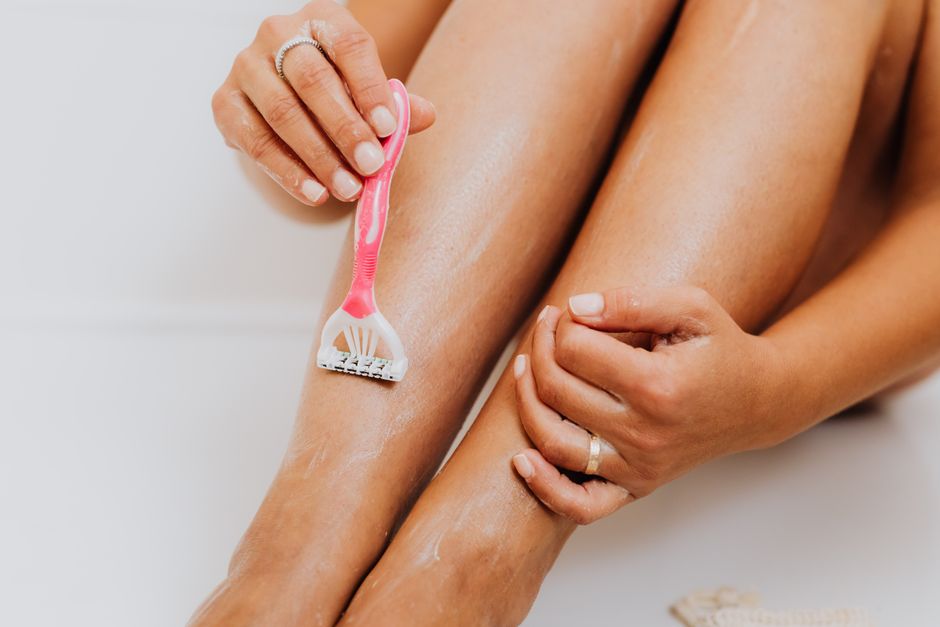
Hair removal cream can remove pubic hair, but it works differently than shaving or waxing and comes with specific risks for sensitive skin. The chemicals in these creams, called depilatories, dissolve the protein structure of hair so it can be wiped away. They do not remove hair from the root. For pubic use, the short answer is yes, they work on hair removal, but safety is a serious concern because the skin in that area is thinner and more absorbent than skin on your legs or arms.
Does Hair Removal Cream Work On Pubes Safety Tips Actually Work?
Yes, hair removal cream effectively removes pubic hair. The active ingredients, usually calcium thioglycolate or potassium thioglycolate, break down disulfide bonds in the hair. This turns the hair into a jelly-like substance that can be wiped off with a cloth or spatula.
Results typically last 3 to 7 days. That is longer than shaving, which shows regrowth within 24 hours, but shorter than waxing, which lasts 2 to 4 weeks. The cream only removes hair at the skin surface, so regrowth happens once the hair follicle produces enough new hair to break through the skin.
Many people find the results smoother than shaving because the cream cuts the hair below the skin line. Shaving can leave a blunt edge that feels rough. Creams create a tapered end, which feels softer as hair grows back.
What Are the Risks of Using Hair Removal Cream on Pubic Skin?
Pubic skin is not the same as leg skin. The skin in the genital area is more permeable and has a thinner outer layer. Studies published in the Journal of the American Academy of Dermatology have found that chemicals penetrate this area faster and deeper, increasing the risk of irritation.
Chemical burns are the most serious concern. Hair removal creams are alkaline, with a pH around 11 to 12. Healthy skin has a pH of about 4.5 to 5.5. Leaving the cream on too long, even by a minute, can cause redness, stinging, blisters, or peeling.
Allergic reactions are also possible. Fragrances and preservatives in these products are common triggers. A patch test 24 hours before use on a small area of the inner arm is the standard recommendation from the American Academy of Dermatology. Many people skip this step for pubic hair and later regret it.
How Should You Apply Hair Removal Cream to Pubic Hair Safely?
Read the package directions for the specific product. Some creams have a separate formula for sensitive skin or for bikini area use. Do not use a product labeled for legs or arms on your pubic area unless the package explicitly says it is safe for that region.
Follow these steps exactly:
- Trim longer hair to about a quarter inch with scissors or an electric trimmer. Long hair absorbs more cream and makes removal uneven.
- Apply a thick, even layer of cream. Do not rub it in. You want the cream to sit on top of the hair, not be absorbed into the skin.
- Set a timer for the shortest time listed on the package. For sensitive formulas, this is often 4 to 5 minutes. Never exceed the maximum time.
- Remove the cream with the provided spatula or a soft, damp cloth. Wipe in the direction of hair growth to reduce irritation.
- Rinse the area immediately with cool water. Pat dry gently. Do not rub.
Do not apply cream to broken, irritated, sunburned, or recently waxed skin. Wait at least 72 hours after waxing or shaving before using a depilatory cream. The skin needs time to repair its barrier.




What Ingredients Should You Look For or Avoid?
Look for creams with moisturizing ingredients like aloe vera, vitamin E, or glycerin. These can reduce the drying effect of the strong alkaline chemicals. Products labeled “for sensitive skin” often have lower concentrations of active ingredients and fewer fragrances.
Avoid creams with strong fragrances, parabens, or alcohol high on the ingredient list. Fragrance is one of the most common contact allergens. The American Contact Dermatitis Society has named fragrance the “Allergen of the Year” in the past due to how frequently it causes reactions.
Some products contain urea or lanolin. These can help soften hair but may also clog pores. If you are prone to ingrown hairs, avoid heavy emollients near the hair follicle openings.
Here is a comparison of common hair removal methods for pubic hair:
| Method | How It Removes Hair | Duration of Results | Risk of Irritation |
|---|---|---|---|
| Hair removal cream | Dissolves hair at surface | 3-7 days | Moderate to high on sensitive skin |
| Shaving | Cuts hair at skin level | 1-3 days | Low to moderate; high for razor burn |
| Waxing | Pulls hair from root | 2-4 weeks | Moderate; temporary redness |
| Laser hair removal | Damages hair follicle | Permanent reduction after sessions | Low; requires professional treatment |
What Should You Do If Irritation Happens?
If you feel burning or stinging during application, remove the cream immediately. Do not wait for the timer to go off. Rinse with cool water for several minutes. Do not use soap, which can further irritate the skin.
Mild redness that fades within a few hours is common and usually not serious. Apply a thin layer of petroleum jelly or an unscented moisturizer to soothe the area. Avoid tight clothing and sexual activity for 24 hours to let the skin settle.
If blisters form, the skin peels, or the redness lasts more than 24 hours, you may have a chemical burn. The Mayo Clinic advises treating this like a first-degree burn. Keep the area clean and dry. Apply an over-the-counter antibiotic ointment if the skin is broken. See a doctor if the burn covers a large area or shows signs of infection like pus or increasing pain.
Some people report that using a cold compress or aloe vera gel helps with immediate discomfort. There is no strong clinical evidence for either, but they are unlikely to cause harm if the skin is not broken.
Common Misconceptions About Hair Removal Cream for Pubic Hair
A common myth is that leaving the cream on longer gives better results. This is false and dangerous. The cream stops working after the recommended time and starts damaging skin instead. Longer application does not remove more hair. It only increases chemical burn risk.
Another myth is that you can use the same cream on your pubic area that you use on your legs. Many creams have different formulations. A cream for coarse leg hair may be too strong for the pubic area. Always check the label for bikini-area approval.
Some people believe that hair removal cream prevents ingrown hairs better than shaving. This is widely claimed, but strong evidence is limited. The cream does cut hair below the skin line, which may reduce the sharp edge that causes ingrown hairs. However, the chemicals themselves can irritate the follicle and sometimes make ingrown hairs worse. Individual results vary.
There is also a belief that hair removal cream is painless. Most people experience no pain during application, but some feel a mild tingling or warmth. If you feel sharp pain, remove the cream immediately. Pain is a sign of skin damage, not effectiveness.
Frequently Asked Questions
Can I use hair removal cream on my entire pubic area?
Yes, but only if the product is labeled for bikini or sensitive area use. Avoid contact with the inner labia, vagina, anus, or any mucous membranes.
How often can I use hair removal cream on pubic hair?
Wait at least 72 hours between applications. Using it more often increases the risk of chemical burns and skin thinning.
Does hair removal cream cause ingrown hairs?
Some people report fewer ingrown hairs compared to shaving, but evidence is weak. The chemicals can irritate hair follicles and may worsen ingrown hairs for some individuals.
Can I use hair removal cream if I have sensitive skin?
Yes, but do a patch test first on a small area of your inner arm. Use a formula specifically for sensitive skin and follow the shortest recommended time.
