
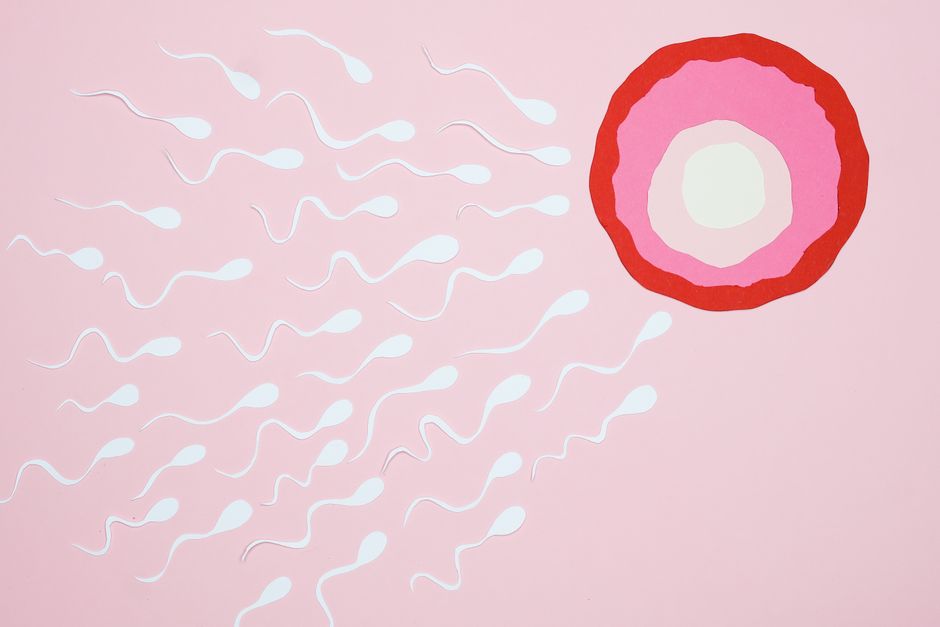
FSH does not cause ovulation. It prepares the egg for release. The actual trigger that causes ovulation is a different hormone called LH, the luteinizing hormone. FSH and LH work together in a precise sequence, but they have separate jobs. FSH grows and matures the follicle, while a sharp surge of LH is what finally releases the egg.
What Does FSH Actually Do in the Menstrual Cycle?
Follicle-stimulating hormone (FSH) is produced by the pituitary gland in the brain. Its main job is to recruit and mature ovarian follicles. A follicle is a small fluid-filled sac in the ovary that contains an egg.
At the start of each menstrual cycle, FSH levels rise. This signals the ovaries to start developing follicles. Typically, several follicles begin to grow, but only one becomes dominant and fully matures. FSH is responsible for this selection process.
As the dominant follicle grows, it produces estrogen. Rising estrogen levels eventually send a signal back to the brain. This feedback loop is what leads to the next phase of the cycle.
Does FSH Cause Ovulation or Just Prepare For It?
FSH prepares the follicle for ovulation. It does not trigger the release of the egg. The distinction matters because it explains how the reproductive system coordinates timing.
Here is the sequence:
- FSH rises at the start of the cycle and matures the follicle.
- The mature follicle produces high levels of estrogen.
- High estrogen triggers a surge of LH from the pituitary gland.
- The LH surge causes the follicle to rupture and release the egg.
Without FSH, the follicle would never mature enough to ovulate. But without the LH surge, the mature follicle would simply stay in place. Both hormones are required, but they play different roles.
Why Is the LH Surge Necessary for Ovulation?
The LH surge is the final signal. It causes several changes inside the follicle that lead to rupture. The follicle wall weakens, enzymes break down tissue, and pressure builds inside. Within about 24 to 36 hours after the surge begins, the follicle releases the egg.
LH also helps the remaining follicle cells transform into the corpus luteum. The corpus luteum produces progesterone, which supports the uterine lining in case pregnancy occurs. This is another task that FSH does not perform.
Some women have a condition where FSH works normally but LH never surges. In these cases, follicles mature but ovulation does not happen. This condition is sometimes called luteinized unruptured follicle syndrome. It demonstrates clearly that FSH alone cannot cause ovulation.



How Do FSH Levels Change During the Cycle?
FSH levels follow a predictable pattern. They begin to rise in the late luteal phase of the previous cycle and peak just before ovulation. The levels then drop quickly after the LH surge.
Normal FSH ranges vary by age and cycle day. For a woman in her reproductive years, a typical FSH level on day 3 of the cycle is between 4 and 10 international units per liter. Levels above 10 may indicate reduced ovarian reserve.
In the days leading up to ovulation, estrogen from the maturing follicle suppresses FSH production. This is a negative feedback loop. The dominant follicle becomes less dependent on FSH as it matures, and the smaller follicles stop growing because FSH levels fall.
What Happens When FSH Levels Are Abnormal?
Low FSH levels can prevent follicles from developing. Without follicular growth, estrogen stays low, and ovulation cannot occur. This can result in irregular or absent periods.
High FSH levels often indicate that the ovaries are not responding well to stimulation. The pituitary gland produces more FSH in an attempt to force a response. This is common in perimenopause and premature ovarian insufficiency.
For women undergoing fertility treatment, FSH is used as a medication. Injectable FSH preparations stimulate the ovaries to produce multiple follicles. This is done intentionally during in vitro fertilization to collect several eggs. However, even with FSH injections, a medication containing LH or hCG is still needed to trigger final egg maturation and ovulation.
Can You Ovulate Without FSH?
No. Ovulation cannot occur without FSH because the egg would never mature. The follicle must reach a certain stage of development before it can respond to the LH surge.
In rare cases, a woman may have a genetic mutation that affects FSH production or the FSH receptor. These women typically do not ovulate and have very low estrogen levels. Treatment with FSH medication can often restore follicular growth and allow ovulation to occur.
The relationship between FSH and ovulation is not optional. It is a required step in the chain of events. The egg must be prepared by FSH before it can be released by LH.
How Do Doctors Test FSH and What Do Results Mean?
Doctors measure FSH with a simple blood test. The most common time to test is on day 3 of the menstrual cycle. This is called a baseline FSH test.
Day 3 FSH levels give information about ovarian reserve. This is an estimate of how many eggs remain in the ovaries. It is not a direct count, but it is a useful screening tool.
FSH testing is often done alongside other tests. A doctor may also check estradiol, anti-mullerian hormone, and antral follicle count on ultrasound. Together, these tests provide a fuller picture of fertility status.
High FSH levels do not mean ovulation is impossible. They indicate that the ovaries may need more stimulation. Many women with elevated FSH still ovulate on their own, though conception may take longer.
What Is the Difference Between FSH and LH?
FSH and LH are both gonadotropins, meaning they act on the gonads. They are released from the same gland and work together, but they bind to different receptors in the ovary.
FSH binds to receptors on granulosa cells inside the follicle. This stimulates growth and estrogen production. LH binds to receptors on theca cells and later on the corpus luteum. This drives androgen production early in the cycle and progesterone production after ovulation.
The two hormones also have different release patterns. FSH rises slowly and stays relatively steady. LH is released in a sudden surge just before ovulation. This difference in timing is what makes LH the trigger and FSH the preparer.
Why Understanding This Matters for Fertility
Knowing the difference between FSH and LH helps explain why fertility treatments work the way they do. It also helps women understand their own cycle and test results.
If a woman is tracking ovulation at home, she is likely using LH urine tests. These tests detect the LH surge and predict that ovulation will occur within the next day or two. They do not measure FSH because FSH does not signal impending ovulation.
For women trying to conceive, the practical takeaway is this: both hormones matter. FSH builds the foundation, and LH delivers the final signal. Tracking both, when possible, gives the most complete picture of cycle health.
Frequently Asked Questions
Does FSH trigger the release of the egg?
No. FSH matures the follicle but does not release the egg. The LH surge is what triggers the actual release.
Can ovulation happen without an LH surge?
No. Without the LH surge, the mature follicle will not rupture. This is why LH is considered the ovulation trigger.
What does a high FSH level mean?
A high FSH level on day 3 of the cycle often indicates reduced ovarian reserve. It means the ovaries may be less responsive to stimulation.
Do fertility medications contain FSH?
Yes. Injectable fertility medications often contain FSH to stimulate follicle growth. A separate medication containing LH or hCG is then used to trigger ovulation.
