
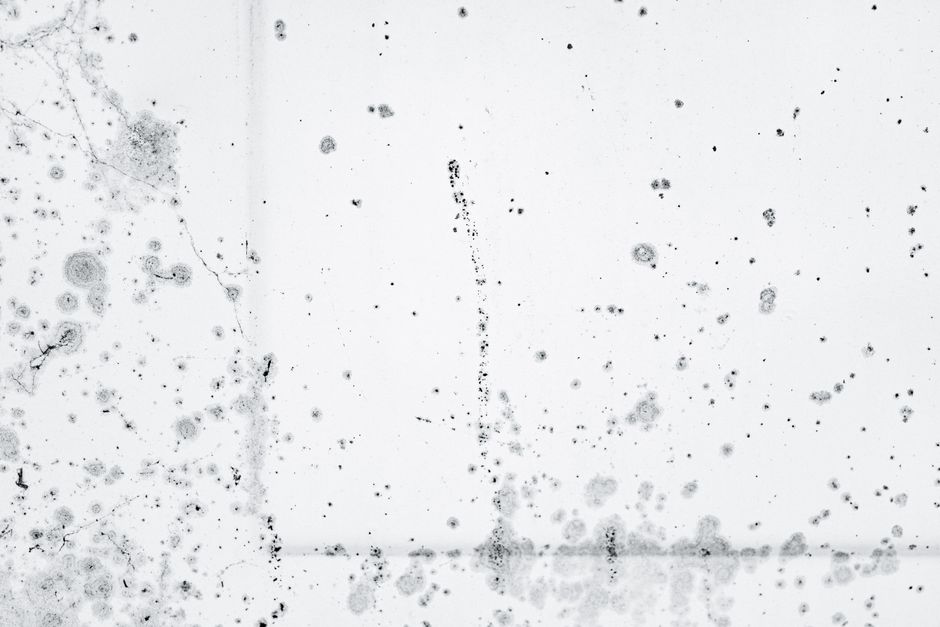
Black mold is hazardous to your health if it grows indoors in significant amounts, but not for the dramatic reasons often repeated online. The evidence shows black mold can trigger allergic reactions and worsen asthma, just like many other common molds. It is not a proven cause of the mysterious “toxic mold syndrome” or sudden organ failure. The real hazard is any mold growing unchecked in your home—not the color or species alone.
Is Black Mold Hazardous?
Yes, black mold is hazardous, but the hazard is the same as any indoor mold: it can irritate your respiratory system. Black mold specifically refers to Stachybotrys chartarum, a greenish-black mold that grows on materials with high cellulose content, such as drywall, wood, and paper, when they stay wet for days. Inhaling its spores can cause nasal congestion, sneezing, coughing, and eye irritation. People with asthma or allergies often react more strongly. The risk is real, but it is not the unique, life-threatening poison that some claims suggest.
What Is Black Mold?
Black mold is the common name for Stachybotrys chartarum. It needs constant moisture to grow—leaks, flooding, or high humidity for 24 to 48 hours. It is not the only mold that appears black, and most black-looking molds found in homes are not Stachybotrys. The mold produces mycotoxins in its spores and fragments, which is why it gets the “toxic mold” label. However, the amount of airborne mycotoxins needed to cause poisoning in humans is far higher than what typically occurs in homes. Most health experts agree that the allergic and inflammatory effects of mold exposure are the main concern, not acute poisoning.
What Are the Health Effects of Black Mold?
Health effects from black mold are primarily allergic. The immune system mistakes mold spores for a threat and releases histamine, causing symptoms like stuffy nose, itchy eyes, wheezing, and skin rash. For people with asthma, exposure can trigger attacks. Some research suggests a possible link between early-life mold exposure and the development of asthma, but the evidence is not conclusive. Many people experience no symptoms at all. The vague symptoms often blamed on mold—headaches, fatigue, brain fog—can come from many causes, and studies have not consistently tied them to black mold specifically.
A small group of people may develop a rare condition called hypersensitivity pneumonitis if they are repeatedly exposed to mold in high concentrations. This is an inflammatory lung disease that causes shortness of breath and cough. It is not unique to black mold and requires extreme exposure, such as working on a farm with moldy hay or living in a water-damaged building for years.




How Can I Tell If Black Mold Is in My Home?
You cannot reliably identify black mold by sight alone. Many molds are black or dark. Stachybotrys has a slimy texture when wet and a dry, powdery look once dried, but other molds look similar. A musty smell is a strong clue that mold is growing somewhere, even if you cannot see it. Common hiding places include behind wallpaper, under carpets, inside walls near plumbing leaks, and in ceiling tiles.
Testing for mold is not recommended by the Centers for Disease Control and Prevention (CDC) or the Environmental Protection Agency (EPA) in most situations. The results do not tell you what health risk exists, because no safe or unsafe levels of mold in air have been established. If you see mold or smell mold, you have a moisture problem that needs fixing. Testing rarely changes what you should do: find the water source, dry the area, and remove the mold.
How Should Black Mold Be Removed?
Small patches of mold—less than about 3 feet by 3 feet—can often be cleaned by a homeowner. Wear an N95 mask, gloves, and goggles. Scrub the mold off hard surfaces with soap and water or a commercial mold cleaner, then dry the area completely. Never mix bleach with ammonia or other cleaners—it creates toxic gas. For porous materials like drywall or ceiling tiles, mold often penetrates the surface, and the material should be cut out and replaced.
For larger areas, or if the mold is near heating or air conditioning ducts, professional remediation is safer. The main danger during cleaning is stirring up spores and inhaling large amounts. Professionals use containment, HEPA vacuums, and negative air pressure to limit spread. If you have a weakened immune system, lung disease, or severe asthma, hire a professional even for small jobs.
Does Black Mold Cause Serious Illness?
Despite widespread stories, there is no strong evidence that black mold causes memory loss, bleeding lungs in healthy adults, or “toxic mold syndrome.” A cluster of infant lung hemorrhages in Cleveland in the 1990s was initially linked to Stachybotrys, but later investigations could not confirm the connection. The CDC now states that a causal link between mold and pulmonary hemorrhage in infants has not been proven.
What is well established: mold exposure can worsen asthma and cause allergic disease. It can also increase the risk of respiratory infections in people with compromised immune systems. But the idea that black mold is uniquely deadly is not supported by current medical evidence.
How Can I Prevent Mold Growth?
Mold needs moisture. The most effective prevention is controlling indoor humidity. Keep indoor humidity between 30% and 50%. Use exhaust fans in bathrooms and kitchens. Fix any leaks in roofs, pipes, or windows immediately. Make sure gutters drain away from the foundation. In damp climates, a dehumidifier can help. After a flood or major leak, dry affected areas within 24 to 48 hours—that is the window before mold begins to grow.
Clean and repair roof gutters regularly. Inspect crawl spaces for standing water. If you have a basement, consider a sump pump or vapor barrier. These steps are far more useful than buying expensive air purifiers or sprays that claim to kill mold spores on contact. No product can replace removing the moisture source.
Frequently Asked Questions
Can black mold kill you?
No documented case of a healthy person dying from black mold exposure exists in the medical literature. People with severely weakened immune systems or pre-existing lung conditions can have serious infections from mold, but this is not unique to black mold.
How long does it take to get sick from black mold?
Allergic symptoms can appear within minutes to hours after exposure. Chronic effects from long-term exposure may take weeks to months to develop, but no timeline applies to everyone.
Should I test for black mold in my home?
The CDC and EPA do not recommend routine mold testing. The results are not actionable—if you see or smell mold, you already have a problem that requires moisture control and cleaning regardless of the species.
Can I clean black mold myself?
Small patches (less than 3 feet by 3 feet) can be cleaned by a homeowner wearing protective gear. Larger areas or mold in HVAC systems should be handled by a professional.
