
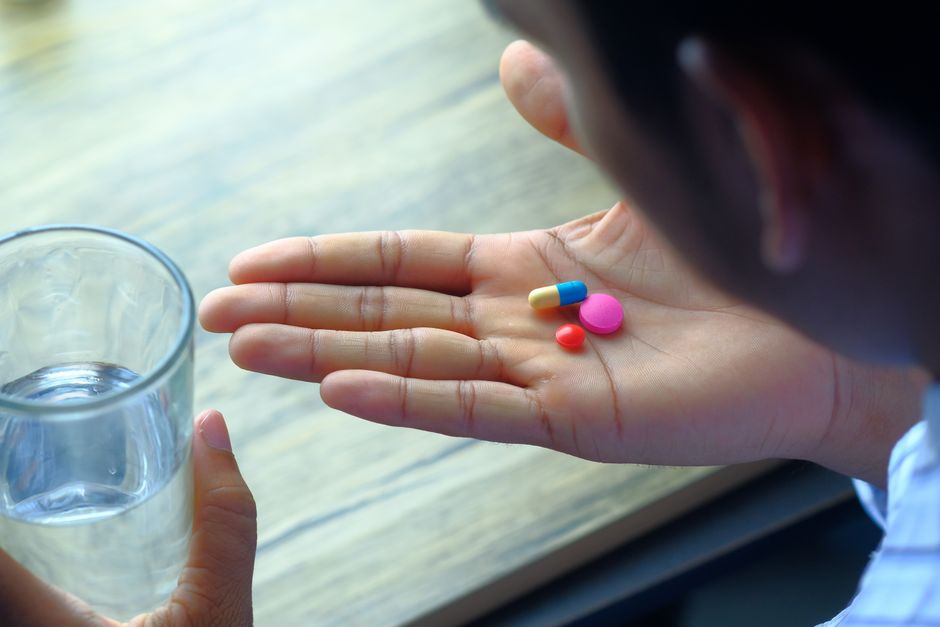
Whether you should take a pill before or after eating depends entirely on the specific medication. Some pills require food to work properly or to protect your stomach. Others must be taken on an empty stomach for full absorption. The safest rule is to read the label or ask your pharmacist. Do not guess — the timing can change how well the medicine works and how safe it is.
Why Does Food Change How a Pill Works?
Food affects pills in two main ways. First, food can slow down how fast a pill dissolves and enters your bloodstream. Second, food can change your stomach’s acidity, which affects how well certain drugs break down. Some medications need a low-acid environment, while others need higher acid.
Food also helps protect your stomach lining from irritation. Many pain relievers, for example, can cause stomach bleeding if taken on an empty stomach for a long time. Eating before taking them reduces that risk. On the other hand, some antibiotics and thyroid medications are less effective when food is present because food binds to the drug and prevents absorption.
This is not about convenience. It is about getting the right dose into your system and avoiding harm. Drug manufacturers study these interactions and place specific instructions on the label. If the label says “take with food” or “take on an empty stomach,” follow it exactly.
Which Pills Should You Take on an Empty Stomach?
Some medications require an empty stomach to be fully absorbed. An empty stomach usually means at least one hour before a meal or two hours after a meal. Common examples include:
- Thyroid medications such as levothyroxine. Food, especially calcium and iron, blocks absorption. Take it first thing in the morning with a full glass of water and wait at least 30 to 60 minutes before eating.
- Certain antibiotics like penicillin and some tetracyclines. Food can reduce how much of the drug gets into your blood. Check the specific antibiotic — some must be taken with food to prevent nausea.
- Bisphosphonates for osteoporosis (alendronate, risedronate). These must be taken on an empty stomach with plain water, and you must stay upright for 30 minutes afterward. Food or other drinks can cause them to fail or damage your esophagus.
- Some HIV medications and some antifungal drugs also need an empty stomach. Always confirm with your pharmacist.
If you take multiple medications, ask whether any need empty stomach timing. Taking them all together with food when one requires empty stomach can reduce its effectiveness.
Which Pills Should You Take With Food?
Many medications are designed to be taken with food. The most common reason is to prevent stomach upset. Examples include:
- Nonsteroidal anti-inflammatory drugs (NSAIDs) like ibuprofen, naproxen, and aspirin. Taking them with food lowers the risk of stomach irritation and bleeding. Doctors recommend taking them with a meal or a snack.
- Certain antibiotics like amoxicillin and doxycycline can cause nausea. Taking them with food can help, but check — some antibiotics must still avoid certain foods like dairy.
- Iron supplements can cause nausea and stomach cramps if taken without food. However, taking iron with food also reduces absorption. Your doctor may recommend taking it with a small amount of food or with vitamin C to balance these effects.
- Diabetes medications like metformin are usually taken with meals to reduce stomach upset and to help control blood sugar after eating.
- Corticosteroids like prednisone should be taken with food to protect the stomach.
Some medications require food because the drug needs fat to be absorbed. This is true for certain HIV medications and for some vitamin supplements (see below).




Do You Take Pills Before Or After Eating?
The direct answer is that it depends on the pill. There is no one-size-fits-all rule. The label will tell you. If it says “take with food,” it usually means within 30 minutes of a meal. If it says “take on an empty stomach,” it means at least one hour before or two hours after a meal.
If the label does not specify, many medications can be taken either way. For over-the-counter pain relievers like acetaminophen (Tylenol), food does not significantly affect absorption. But taking it with food may reduce stomach upset for some people.
Never assume because a pill is “natural” or “herbal” that timing does not matter. St. John’s wort, for example, can interact with many medications and timing may be important. Always check with a pharmacist.
What About Vitamins and Supplements?
Vitamins and supplements have different timing needs. Here are the main categories:
- Fat-soluble vitamins (A, D, E, K) are best taken with a meal that contains fat. Taking them on an empty stomach means much less is absorbed. A meal with oil, nuts, or avocado helps.
- Water-soluble vitamins (B complex, C) can be taken with or without food. Some people find they cause stomach upset on an empty stomach, so taking with a light meal is reasonable.
- Iron supplements are best taken on an empty stomach for maximum absorption, but many people cannot tolerate that due to nausea. If you take iron with food, avoid calcium-rich foods (dairy, antacids) because calcium blocks iron absorption. Vitamin C (orange juice) can help absorption.
- Calcium supplements need stomach acid for absorption. Calcium carbonate should be taken with food. Calcium citrate can be taken with or without food.
- Multivitamins often contain both fat- and water-soluble vitamins. Taking them with a meal is usually best to cover both types and to reduce stomach upset.
Supplements are not regulated as strictly as medications, so labeling is not always reliable. If you are unsure, take the supplement with a small meal containing some fat.
How to Check If Your Pill Requires Food
The label is your first source of information. Look for phrases like “take with food,” “take on an empty stomach,” or “take before meals.” If the label is unclear, the medication guide inside the box may have more detail.
If you still have questions, ask a pharmacist. Pharmacists are trained to know these details for every drug. Tell them what other medications and supplements you take, because interactions may change the timing advice.
For prescription medications, your doctor or the prescribing information will also specify timing. If you receive a new prescription, ask the doctor or the pharmacist before leaving the pharmacy.
Some medications have very specific timing. For example, levothyroxine (thyroid) should be taken 30–60 minutes before breakfast. Bisphosphonates (for osteoporosis) must be taken with plain water first thing in the morning, then wait 30–60 minutes before eating. Do not change this timing without medical advice.
Common Mistakes to Avoid
One common mistake is taking all pills together regardless of timing. If one pill needs food and another needs empty stomach, taking them together with food may harm the effectiveness of the empty-stomach pill. Separate them by at least two hours if possible, or ask your pharmacist for a schedule.
Another mistake is crushing or splitting pills to change timing. Some pills are extended-release or have a coating that protects the stomach. Crushing them can cause the entire dose to be released at once, leading to side effects or overdose. Do not crush or split any pill without checking that it is safe to do so.
Drinking grapefruit juice is a well-known interaction for many medications, including some statins and blood pressure drugs. Grapefruit juice can increase the level of the drug in your blood to dangerous levels. If you take any medication, ask your pharmacist whether grapefruit is safe.
Forgetting to take a pill with food when required can cause nausea or stomach pain. If you forget, you can take it with a small snack as soon as you remember, unless the label says otherwise. If you are not sure, call your pharmacist.
When Timing Matters Most
For some medications, timing is not a minor detail — it is critical for safety. Blood thinners like warfarin (Coumadin) require consistent vitamin K intake from food, so taking the pill at the same time each day with a meal helps maintain a stable effect. Diabetes medications like insulin or sulfonylureas must be timed precisely with meals to prevent dangerous blood sugar drops.
If you take a medication for a chronic condition, set a routine. Take it at the same time relative to meals every day. This helps your body maintain a steady level of the drug.
For short-term medications like a 10-day course of antibiotics, timing is also important. Missing a dose or taking it with the wrong food can reduce the effectiveness and risk treatment failure. Finish the full course as prescribed, even if you feel better.
Frequently Asked Questions
Can I take all my pills together even if some need food and some need empty stomach?
No. Separate them according to their instructions. If one requires empty stomach and another requires food, take the empty-stomach pill at least one hour before the meal and the food-requiring pill with the meal. Ask your pharmacist to help you create a schedule.
What is considered “empty stomach”?
At least one hour before a meal or two hours after a meal. Drinking a small amount of water is usually fine, but avoid other liquids, food, or supplements during that window.
Can I take pills with coffee or tea instead of water?
Coffee, tea, and other drinks can change how your body absorbs some medications. Even a small amount can affect thyroid medications, antibiotics, and blood pressure drugs. Use plain water unless the label specifically says another liquid is acceptable.
Does taking a pill with a snack count as “with food”?
Usually yes, as long as the snack contains enough substance to buffer the stomach or provide the needed fat or protein. A handful of crackers, a small piece of fruit, or a glass of milk is often enough. But follow the specific instruction — if the label says “with a meal,” a snack may not be sufficient for some medications.
